
Transit Hotel Guide for Asia Layovers: How They Work and When to Skip
What a transit hotel is, how airside and landside differ, how hourly blocks work, and when a lounge or the terminal floor is the smarter call.
On this page
Last updated November 2026: a transit hotel is a hotel inside an airport, usually in the secure airside zone, that you book for a few hours or a night between flights. It suits long or overnight connections where you want a bed and a shower without clearing immigration. Our layover planning hub covers the wider decision, and this page focuses on the hotel option.
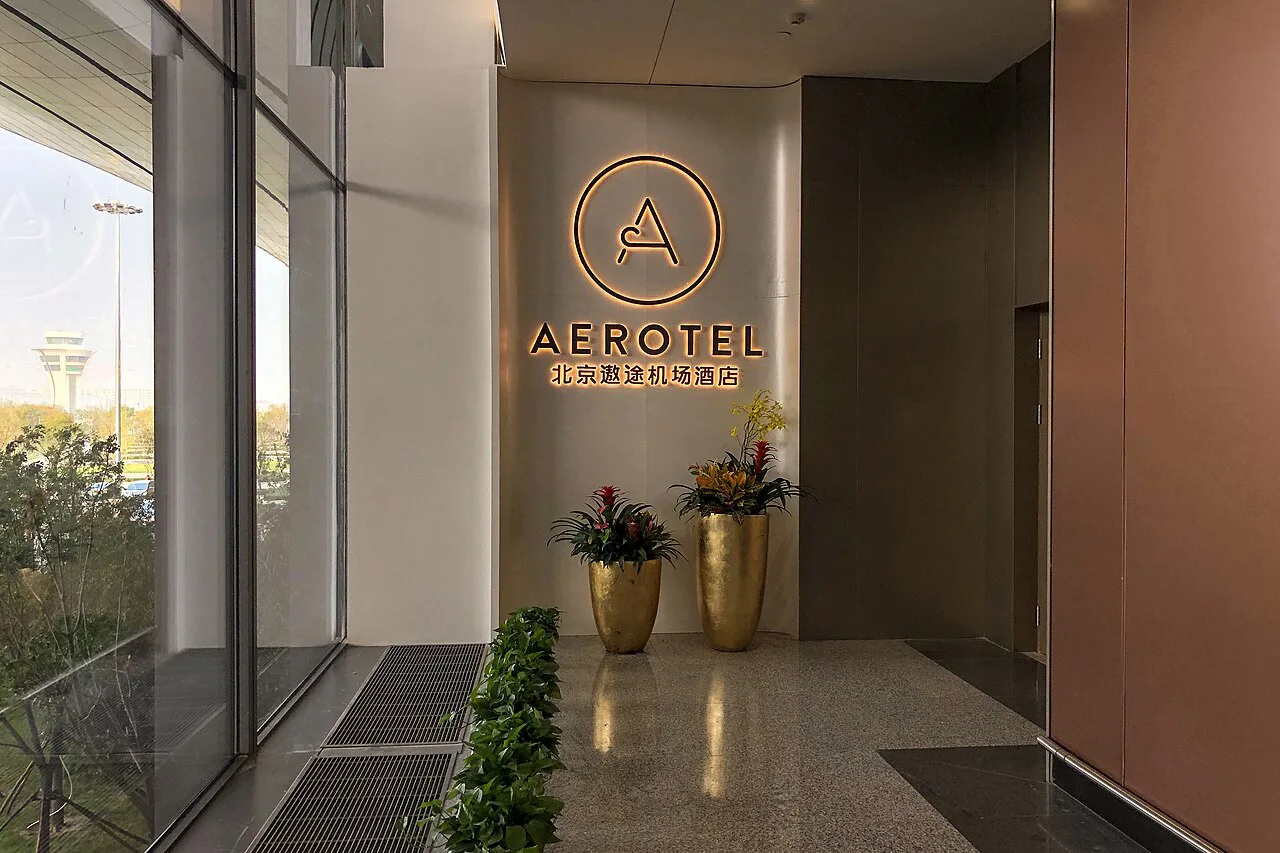
Featured image: N509FZ, CC BY-SA 4.0, via Wikimedia Commons.
What Is a Transit Hotel?
A transit hotel sits inside the airport so you can rest between flights. Most are airside, which means you stay past passport control and never enter the country. Rooms are often sold in blocks of hours, so you pay for the nap you need rather than a full night.
Operators describe themselves in these terms. Singapore's Ambassador Transit Hotel is one example of a business built around travellers in transit. Its own site is the place to read how it sells rooms.

Not every airport hotel qualifies. Plenty of hotels near terminals sit landside or off the airport grounds, and those work very differently. Sorting out which type you are looking at is the first step.
Airside, Landside and Off-Airport Hotels
Three categories cover almost every airport stay. Each one changes what paperwork you need and how fast you can get back to your gate.
- Airside transit hotel: inside the secure zone, no immigration entry, closest to your gate. Best for through-ticketed connections.
- Landside airport hotel: in the terminal or connected building, but outside security. You normally clear immigration to reach it, and you pass security again afterwards.
- Off-airport hotel: a shuttle or taxi ride away. This is a city-style stay, with the visa and entry rules that go with it.
How to Decide: Layover Length, Visa Status, Bags and Budget
Start with time. A connection of a few hours rarely justifies a room, because check-in, showering and the walk back eat much of the window. Hourly blocks start to pay off once you have a long gap and need real sleep.
Longer gaps open another option. Our guides to the Long Layover Guide: What to Do and How to Decide and the 24-hour layover explain when leaving the terminal beats staying in it.

Visa status comes next. An airside hotel avoids entry formalities, while a landside or city hotel usually requires you to enter the country. Check whether you can leave the airport for your passport before planning a city stay.
Baggage decides the rest. On a single through-ticket, bags are normally checked to your final stop, so you travel light to the hotel. On separate tickets, you may have to collect bags and re-check them, which can force you out of the transit zone. Ask your airline which applies before you book a room.
Budget closes the loop. Weigh the room against a lounge pass and against a free night in the terminal. Families, solo overnighters and anyone with a very early departure value a bed more than a traveller with a short wait.
Transit Hotel vs Lounge vs Sleeping in the Airport
Compare options on four points: cost level, rest quality, immigration needed and best use. Costs are relative here because rates differ by airport and season.
Our guide to Sleeping in Airports: Rules, Best Spots & When to Pay covers the free option in depth. For paid access, read about Airport Lounge Access: How to Get In on a Layover first. The Plaza Premium Lounge: Access, Costs and Layover Value in Asia page covers one pay-per-visit style of lounge.
| Option | Cost level | Rest quality | Immigration needed | Best use |
|---|---|---|---|---|
| Airside transit hotel | Mid, usually priced by block of hours | Flat bed, private shower, door that locks | No | Overnight or long connection on one ticket |
| Lounge with rest area | Low to mid, or free with eligible status | Recliners, quiet zones, food | No | Gaps where a seat and a meal are enough |
| Airport floor or bench | Free | Light, noisy, interrupted | No | Short waits and tight budgets |
| City hotel | Varies widely, plus transport | Full night's sleep | Yes, visa rules apply | Gaps long enough to see the city |
How Transit Hotel Booking and Pricing Usually Work
Many airside properties sell stays in blocks of hours rather than by the night. You choose a block that covers your nap and your walk back to the gate. Longer blocks or a full night typically cost more, though each operator sets its own structure.
Booking channels differ. Some hotels take reservations on their own website, while others rely on airlines or third-party platforms. Read the operator's own page for current terms. Hourly rates, minimum blocks and check-in windows are all things the hotel itself publishes.
Patterns are easier to spot than prices. Late-night arrivals may face a check-in cut-off. Daytime blocks tend to be easier to find than overnight ones during busy periods. Rooms near your gate save the most time.
What to Check Before You Book a Transit Hotel
A short checklist keeps you from losing a room or missing a flight. Run through it once your itinerary is fixed.
- Terminal and zone: confirm the hotel is airside if you do not want to clear immigration.
- Ticket type: a single through-ticket usually lets bags go straight to your final stop.
- Hourly minimum: find the shortest block the operator sells.
- Check-in hours: make sure your arrival time falls inside them.
- No-show and change rules: learn what happens if your flight lands late.
- Proof of onward travel: some hotels may ask for a boarding pass or ticket.
- Walking time: allow for the route from hotel to gate, then add margin.
Transit Hotels at Major Asian Hubs
Large Asian hubs often publish passenger guides that cover rest options. Start with the airport operator's own pages rather than booking sites. Incheon's transit information page is one such starting point. Taoyuan has an official airport guide for passengers. Tokyo Haneda publishes its own airport information site as well.
Use those pages to check which facilities are airside and which sit landside, since layouts change. Readers choosing where to connect can compare airports in our 4 Best Airports for Layovers in Asia: Where to Spend 3 to 10 Hours guide.
Who Should Skip a Transit Hotel
Short connections are the clearest case. A gap of only a few hours leaves too little time to check in, rest and return. A lounge seat or a quiet gate area does the job at lower cost.
Travellers with lounge access through a card or status can often rest for free. Priority Pass publishes its lounge network for members to browse. If a lounge offers beds or sleep rooms, it can replace a hotel.
Visa-free passengers with a long gap may prefer the city. A night in a proper hotel beats a transit block when you can enter easily. Delays are a separate case. When a disruption is the airline's responsibility, it may arrange accommodation, so ask at the desk before paying yourself; the rules depend on the airline and the cause.
Notes for your next connection
Optional updates when our airport guides change.
You might also like

Continue reading
More guides you'll find useful