
7 Layover Tips: Rules, Timing & Asia Airport Plans
Plain-language layover rules, how much time you need to leave the airport, and Asia hub tips on transit tours, transit hotels and stopover programs.
On this page
Last updated November 2026: layovers are stops between connecting flights, and most airlines sell connections under 24 hours. A stopover usually runs a day or longer, and leaving the airport generally needs roughly 7 to 9 hours or more. Use the decision table below to match your hours to a plan, then follow the links into each spoke guide.
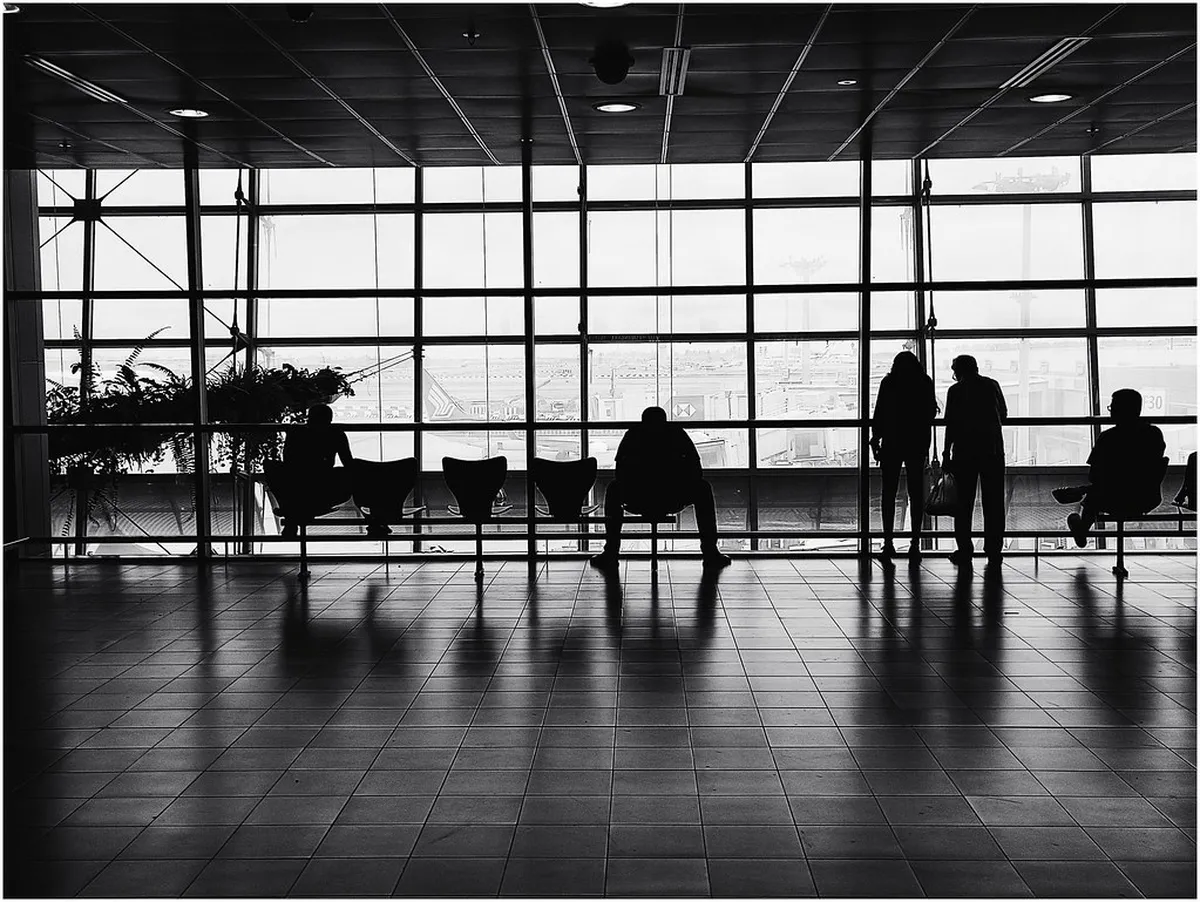
Featured image: GeorgeTan#5 signs off, CC0 1.0, via Flickr.
What layovers are: layover vs stopover
A layover is the gap between two flights on one journey. A stopover is a deliberate stay of a day or more. Your layover is either imposed by the airline on a single ticket or one you build by booking two separate tickets. Separate tickets give you freedom but remove protection if a flight runs late. For stays of several days, read our long layover guide.
| Type | Typical length | Ticketing | Main trade-off |
|---|---|---|---|
| Short connection | Under 3 hours | One ticket | Little time, but protected if you miss it |
| Long layover | 3 to 24 hours | One or two tickets | Enough time for a city trip on the longer end |
| Stopover | A day or more | Usually planned on purpose | Needs hotel, visa check and bag plan |
How long should layovers be?
Every airline sets a minimum connection time, or MCT, for each airport. An airline will not sell a one-ticket connection shorter than its MCT. A comfortable buffer is longer than that minimum. Aim for at least 1 hour on domestic connections and 2 hours on international ones. For a full day, see our 24-hour layover plan. On separate tickets, a missed connection is your problem, not the airline's.
Plan to be back 2 to 3 hours before an international departure. Count that return time against any city trip, not just the connection.
| Layover length | Realistic option | Key risk | Best for |
|---|---|---|---|
| 1 to 2 hours | Walk to the next gate | Late inbound flight | Domestic connections |
| 2 to 3 hours | Stay airside, eat, find the gate | Terminal change or security recheck | International connections |
| 3 to 5 hours | Airport food, art, a short rest | Boredom, not missing the flight | Anyone staying airside |
| 7 to 9+ hours | Leave the airport | Immigration and return-trip delays | Visa-free or visa-ready travelers |
| 12 hours | Comfortable city trip or hotel | Overnight timing | Most travelers |
| 24 hours | Full day out or an overnight room | Hotel and visa logistics | Planned stopovers |
Rules that trip people up
Rules vary by airport and country, so treat these as defaults. Stay on the plane? Rarely. Most connections mean changing aircraft. Check in again? Usually not on one ticket, because you receive every boarding pass at the first check-in. Immigration? You normally clear it where you enter a new country, and busy hubs can take up to 2 hours. Bags? On one ticket they usually go through to your final stop. Security? Usually only after a terminal change without an airside link, or if you leave the airport. Mistake to avoid: on separate tickets you must reclaim and recheck bags yourself, and nobody protects the connection.
Can you leave the airport during layovers?
Run a quick go/no-go check on four things: time, visa or transit status, bags and transport. Start with transport. Double your one-way estimate to the city, then add the time you need back at the airport. Plan to be back 2 to 3 hours before an international departure. An hour's ride each way means 2 to 3 hours of round-trip travel. A layover under 7 hours then leaves you under 2 hours in town. Our guide on whether you can leave the airport walks through each check. Bags on a separate ticket or a missing visa make it a no-go.
7 Ways to Handle Layovers at Asia Hubs
Prices and hours checked November 2026. Pick the plan that matches your hours, then verify tour times and hotel rates on the operator's own pages.
1. Under 3 hours: stay airside and refuel
Under 3 hours, your only job is the next flight: find your gate first. Spend what is left on a meal or a seat. A lounge gives you a quiet chair, food and often a shower in one stop.
Our guide to Airport Lounge Access: How to Get In on a Layover explains the entry routes. Our Plaza Premium lounge guide covers one paid option. Membership programs such as Priority Pass list lounges by airport. Skip this plan if you have 8 hours or more and a valid entry route.
2. 3 to 7 hours: airport time and a nap
With 3 to 7 hours, stay airside and use the time deliberately. Walk or take the airport train to another terminal for different food. Look for art installations, gardens and exhibits, which many large airports have.
Our guide to Sleeping in Airports: Rules, Best Spots & When to Pay covers where to rest. Set an alarm for your gate, even if you plan to stay awake. Skip the nap if your next flight leaves from another terminal that needs a security recheck.
3. 8+ hours: a city trip
Leaving the airport generally needs 7 to 9 hours or more, depending on the airport. Budget for immigration first, which can take up to 2 hours at the busiest hubs. Add the round trip to the city, then arrive back 2 to 3 hours before departure.
Daytime layovers, such as 6am to 2pm, work best for sightseeing. Overnight layovers from 11pm to 7am suit a hotel better than a city walk. Skip the trip if you lack a visa or transit status, or if your bags sit on a separate ticket.
4. Transit tours at Changi, Incheon and beyond
Singapore Changi runs a free heritage tour through Chinatown, Little India and Kampong Glam. Longer Changi tours need at least 5.5 hours. Seoul Incheon offers guided trips such as Songdo Hanok Village and Jeondeungsa Temple.
Attraction entry fees and meals cost extra, and the Incheon transit page lists the full tour menu. Tokyo Narita runs transit tours too, and so does Taiwan Taoyuan. Registration is limited to certain hours, so skip tours if those hours do not match your arrival.
5. Transit hotels for a real rest
Airside transit hotels let you rest without clearing immigration. Our transit hotel guide explains how day-use and overnight rooms work. In Singapore, Ambassador Transit Hotel publishes its own rates and booking terms.
Compare three options on cost, time and access: an airside room, a bench or pod, and a city hotel. A city hotel needs entry clearance and a ride each way, so it suits layovers of 12 hours or more. Skip a paid room for gaps under 3 hours, when a lounge chair is enough.
6. Guangzhou: China Southern hotel and 72-hour transit
Guangzhou pairs a China Southern transit hotel with a 72-hour visa-free transit option. China Southern reportedly offers the hotel on stopovers of 8 to 48 hours. Visa-free transit comes with conditions, including a published list of eligible nationalities.
Read that list on the airline's site and on China's official government pages before booking. Skip this plan if your passport is not on the list.
7. Free stopovers and airline-paid hotels
STPC means stopover paid by carrier: the airline covers a hotel when its own schedule forces a long wait. Conditions apply, such as no earlier connection being available. Turkish Airlines, Royal Jordanian and China Southern run versions of it.
Icelandair and Qatar Airways let you add days in their hub cities at no extra airfare. TAP Air Portugal and Finnair run similar free stopover programs. Hour limits differ by airline and cabin, so read each airline's page and skip programs that clash with fixed travel dates.
How to book layovers on purpose
Use a multi-city search on Google Flights or an airline site. Enter your first leg, then add the next leg a day or two later. One ticket protects a missed connection. Two separate tickets do not, and you recheck bags yourself. Cost can go either way, so compare the single-ticket fare with the two-ticket total. Book with the airline directly when you can, because agents must handle their own cancellations.
Two separate tickets mean nobody protects the connection, so treat 1 hour on domestic connections and 2 hours on international ones as your own buffer.
Choosing a layover city: five checks
Run every candidate hub through the table below. For a ranking of airports that handle long waits well, see our 4 Best Airports for Layovers in Asia: Where to Spend 3 to 10 Hours. Also match the climate to your trip, since a cold-weather hub means carrying extra clothes to a beach destination.
| Check | What to ask |
|---|---|
| Airport-to-city time | Is there a train or fast road link, and how long is the ride? |
| Visa or transit status | Does your passport allow entry, or transit-only stays? |
| Luggage storage | Can you leave bags at the airport or a nearby hotel? |
| Season and weather | Does the hub's climate fit the rest of your trip? |
| Immigration queues | Is this a busy hub where lines can run to 2 hours? |
Frequently Asked Questions
What does "stop over" mean?
A stopover is a planned stay in a connecting city, generally a day or more. A layover is the shorter wait between flights.
Is it illegal to book a flight and get off at a layover?
It is not a crime, but airlines forbid it in their ticket terms. Skipping a segment, known as hidden-city ticketing, can lead the airline to cancel the rest of your flights.
What if I miss my connecting flight?
On one ticket, the airline usually rebooks you on the next available flight. On separate tickets, you are on your own and may need to buy a new one.
Explore More Guides
Keep planning your trip with these guides.
Guides
- Can You Leave the Airport on a Layover? Rules & Time
- Long Layover Guide
- 24-Hour Layover in Asia
- 4 Best Airports for Layovers in Asia
- Sleeping in Airports: Rules, Best Spots & When to Pay
- Transit Hotel Guide for Asia Layovers
- Airport Lounge Access: How to Get In on a Layover
- Plaza Premium Lounge: Access, Costs and Layover Value in Asia
Notes for your next connection
Optional updates when our airport guides change.
You might also like

Continue reading
More guides you'll find useful