

Sleeping in Airports: Rules, Best Spots & When to Pay
Is sleeping in an airport allowed? Get the rules, how to pick a spot, what to pack, and when a pod, lounge or hotel is the smarter call.
On this page
Last updated November 2026: sleeping in airports is usually tolerated, but the rules change by terminal and by whether you are airside or landside. We built this guide as a decision path, so you can choose between a bench, a pod, a transit hotel, a lounge or leaving the airport. Asian hubs appear as examples only, because each airport sets its own overnight policy.
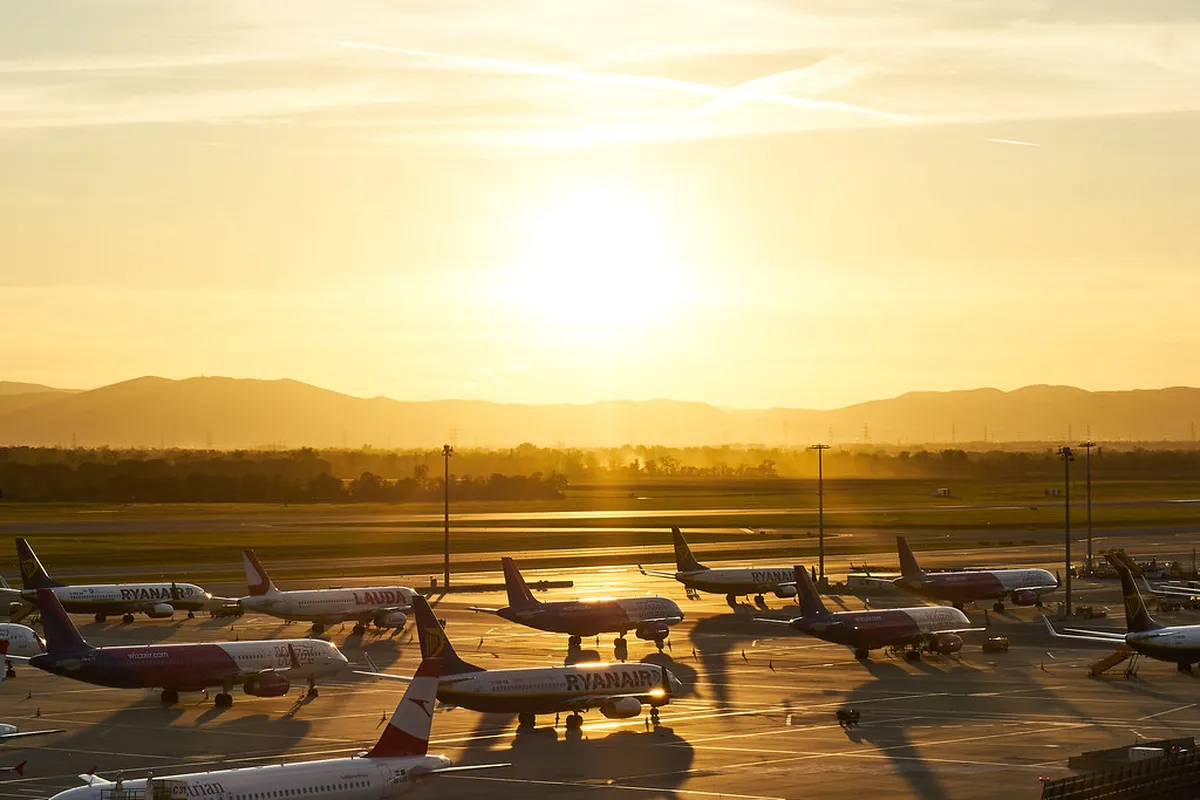
Featured image: GeorgeTan#1 (OFF), CC0 1.0, via Flickr.
Quick answer: can you sleep in an airport?
Mostly yes. Many airports tolerate quiet sleepers as long as you stay out of walkways, exits and shop frontage. Tolerated is not guaranteed, though. Some terminals close overnight, and others push everyone landside until morning. Your visa status also decides whether you can walk out at all, so read our guide on leaving the airport on a layover before you plan the night. If you are stranded tonight, ask a staff member which areas stay open. That one question beats any guesswork.
Sleeping in airports: should you stay or pay?
Start with five questions. How long is the gap? Can you reach the gate area? Do you need a visa to leave? What is your budget? How much discomfort can you accept? The thresholds below are our rule of thumb, not sourced fact. Under about 6 hours, stay put and rest with an alarm. From about 6 to 10 hours, a pod, a day-use room or a lounge starts to pay off. Past 10 hours, or with a red-eye right after, we'd book a proper bed.
| Option | Cost tier | Time needed | Access | Comfort | Belongings | Best fit |
|---|---|---|---|---|---|---|
| Free floor or bench | Free | Any | Airside or landside | Low | You guard them | Short gaps, tight budgets |
| Pod or nap room | $ | A few hours | Usually airside | Medium | Lockable space | Daytime or mid-length layovers |
| Transit hotel | $$ | Several hours to overnight | Airside or landside | High | Room door and safe | Long overnight layovers |
| Lounge | $$ | Several hours | Airside | Medium to high | Staffed area | Showers and quiet seating |
| Leave the airport | $$ to $$$ | Long enough to exit and return | Visa-dependent | High | Hotel safe | Layovers well beyond 10 hours |
- Under ~6 hours: sit airside near your gate, set alarms, skip the hotel.
- ~6 to 10 hours: pay for a nap room, pod or lounge if one exists airside.
- 10 hours or more: consider a transit hotel, or leave the airport if your visa allows.
- Overnight with a morning flight: pick a 24-hour terminal, or book a bed near the airport.
Is sleeping in an airport allowed? Rules, closures and visas
Rules sit with each airport, so read its own site first. Incheon publishes a transit information page for passengers connecting through Seoul. Taoyuan and Haneda keep similar pages on their official sites. Three questions matter most. Does the terminal stay open all night? Are you airside, where you only need your boarding pass, or landside, where you may be locked out of the gates? Does your itinerary force you through immigration? A separate-ticket connection often means collecting and re-checking bags. That can require clearing immigration, which brings visa rules into play. Check your airline's through-check policy on your booking. Security checkpoints often open only a few hours before the first departures, so you may not be able to clear early. Sleeping bags and camp mats are a gray area. A folded scarf or thin pad draws far less attention than a full camp setup.
How to pick your spot
Walk a full loop before you commit. Note outlets, cafés, quiet corners and exits, then choose with the flags below. Arrivals halls often have more free seating late at night than departures. Chapels, family rooms and meditation rooms can be quiet where they exist, but treat them with respect. A 24-hour café lets you buy something small and sit in a booth. For a lookup tool, sleepinginairports.net keeps per-airport guides, though it is not proof of any policy.
A morning flight plus a 24-hour terminal is the safe pairing, since some terminals push everyone landside until morning.

- Green flag: 24-hour terminal with airside access after security.
- Green flag: benches without fixed armrest dividers.
- Green flag: designated rest zones, nap rooms or transit hotels.
- Green flag: staff or patrols nearby, but not a crowd.
- Red flag: terminal closes overnight or you are stuck landside.
- Red flag: hard fixed armrests on every seat.
- Red flag: constant announcements through the night.
- Red flag: you do not feel comfortable watching your bag.
An overnight plan in five steps
Keep the night simple. Our version fits any terminal that lets you stay.
- Scout: walk the terminal, find outlets, water and exits, and ask staff which areas stay open.
- Set up: pick a spot near a wall, out of foot traffic, with your bag between you and the wall.
- Sleep: put on your layer, mask and earplugs, and tether your bag.
- Check the gate: when you wake, open the airline app and confirm the gate has not changed.
- Freshen up: wash, change your shirt, and move toward the gate before boarding.
Gear that earns its space
Pack light. Airports are loud, brightly lit and often cold. Our priority list starts with a sleep mask, then earplugs or noise-cancelling earbuds. Add a scarf or layer that doubles as a blanket. A travel pillow helps, but a folded jacket works as a free substitute. A small cable lock or strap keeps your bag tied to you. A power bank and a refillable water bottle round out the kit. Skip brand-led gear, since price and quality shift each year.
Staying safe and secure
Keep your passport and phone on your body while you sleep, in an inner pocket or money belt. Put bags between you and a wall, and loop a strap around your arm or ankle. Choose a spot where patrols or staff pass, not a hidden alcove. Solo travelers, and women in particular, can sit near staffed desks, keep a clear sightline and move if a spot feels wrong. These are general precautions, not a guarantee. Trust your instinct and relocate without explaining yourself.
- Mistake: relying on one alarm.
- Mistake: missing a gate change while asleep.
- Mistake: leaving valuables in an open bag.
- Mistake: assuming the terminal stays open all night.
- Mistake: sleeping in a walkway or across a busy gate.
Don't miss your flight
Set two alarms, one on your phone and one on a watch with haptic buzz. Turn on airline app alerts so a gate change reaches you. Pick a fixed time, such as an hour before boarding, to wake and check the gate. If your gate is far away, move closer for your final nap. Ask the gate agent when boarding starts.
When to pay instead: pods, lounges and transit hotels
Pay when comfort, security or a clear head matters more than cost. We'd book a bed if you have 8 hours or more on the ground with a long flight next, or if the terminal closes. Our guide to Transit Hotel Guide for Asia Layovers: How They Work and When to Skip covers how they work. At Changi, the Ambassador Transit Hotel sits in the departure transit area. Its rooms range from shared-bathroom options to private ensuite. For shorter gaps, a pod or nap room gives you a lockable space by the hour where airports offer one. Lounges suit travelers who mainly want showers, quiet seating and food. See our notes on lounge access options for how entry works. Our page on the Plaza Premium Lounge: Access, Costs and Layover Value in Asia covers one pay-per-use option. A Priority Pass membership is another route, so check which lounges your plan includes. Shower options also appear at some day-use hotels, so ask before booking.
With 8 hours or more on the ground before a long flight, a bed is worth paying for, earlier than the rule of thumb of past 10 hours.
Etiquette and next steps
Do not spread across a full row at a busy gate. Keep walkways, exits and charging points clear, and pack up quickly when the morning rush starts. For long gaps, our long layover guide shows how to spend the hours. If you have a full day, see the 24-hour layover plan. To choose a hub with decent overnight conditions, compare the 4 Best Airports for Layovers in Asia: Where to Spend 3 to 10 Hours. The full 7 Layover Tips: Rules, Timing & Asia Airport Plans ties every option together.
Notes for your next connection
Optional updates when our airport guides change.
You might also like
Continue reading
More guides you'll find useful