5 Things to Know About Manila Airport (NAIA) Before You Fly
Which NAIA terminal you need, how long to reach the city, how to transfer and what to prep for entry, with links to our detailed MNL guides.
On this page
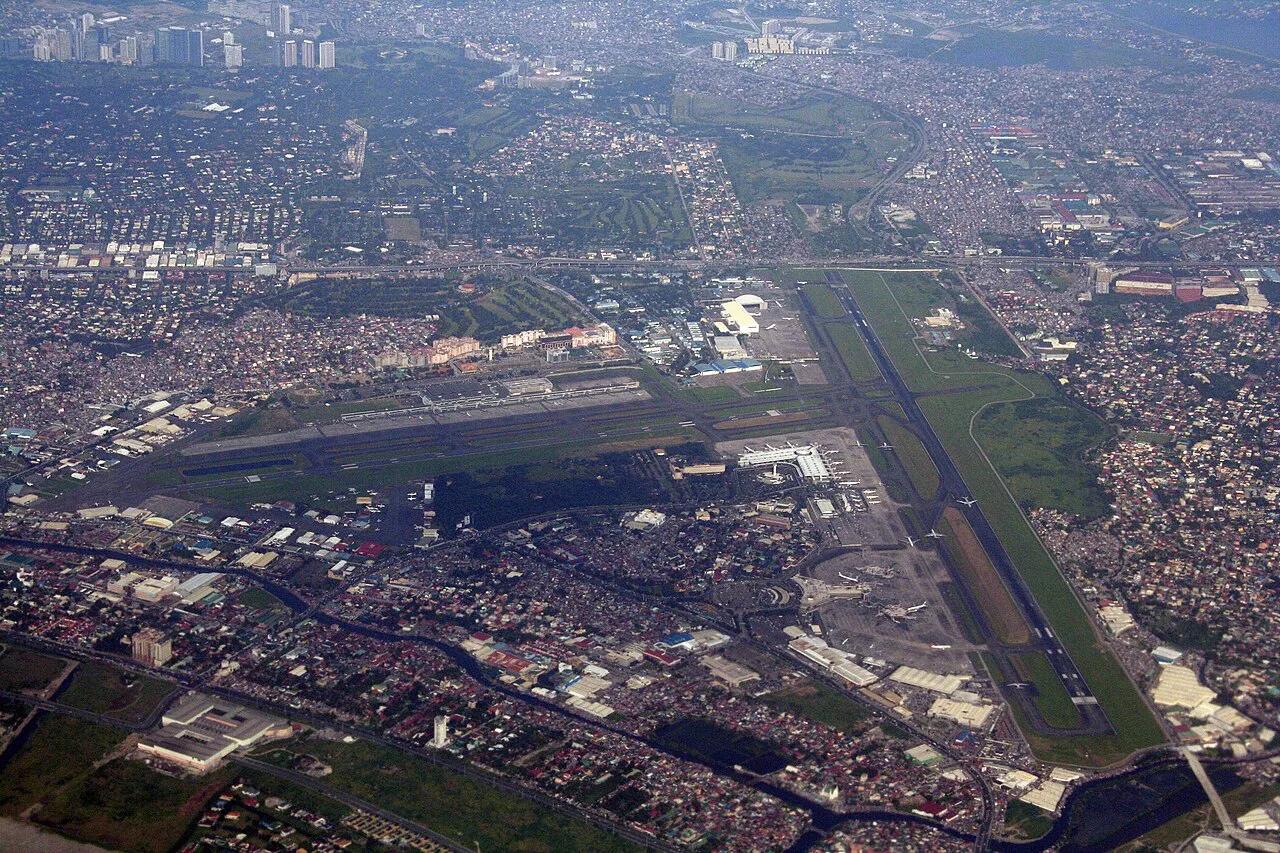
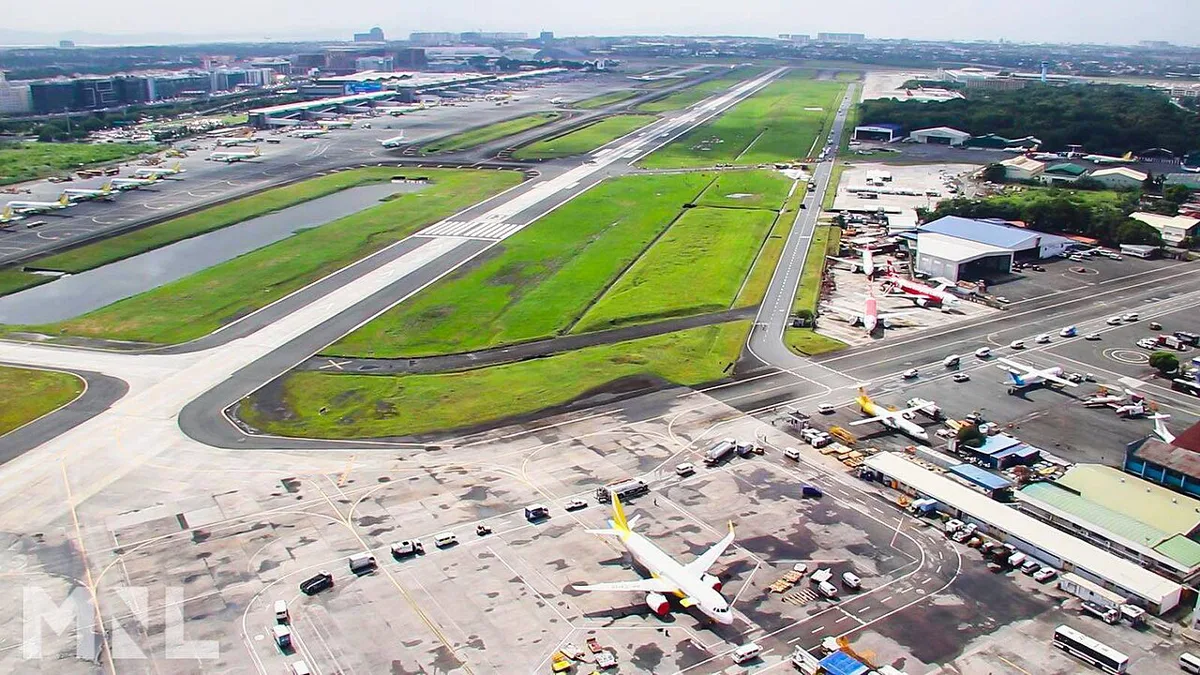
Last updated November 2026: Manila airport is Ninoy Aquino International (NAIA, code MNL), about 7 km south of central Manila. Your terminal depends on your airline, so match the two before you leave for the airport. Ground travel to the city usually takes 30 to 60 minutes, and NAIA is under rehabilitation, so operations may change.
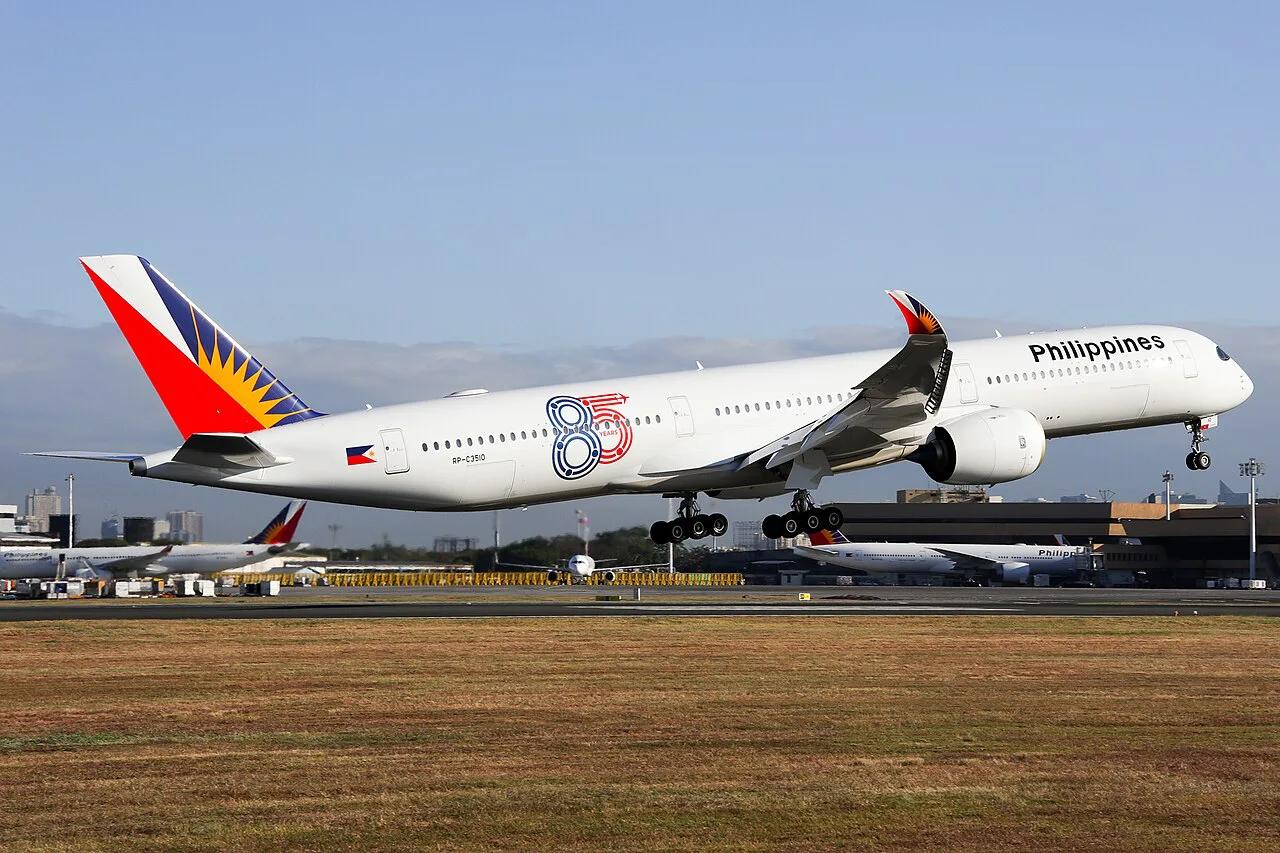
Featured image: Josh Lim (Sky Harbor), CC BY-SA 4.0, via Wikimedia Commons.
5 Things to Know About Manila Airport Before You Fly
Fares and notices below were checked November 2026. Each item is a decision point: if you fly this airline, go here; if you connect, do this.
1. Match your airline to its terminal
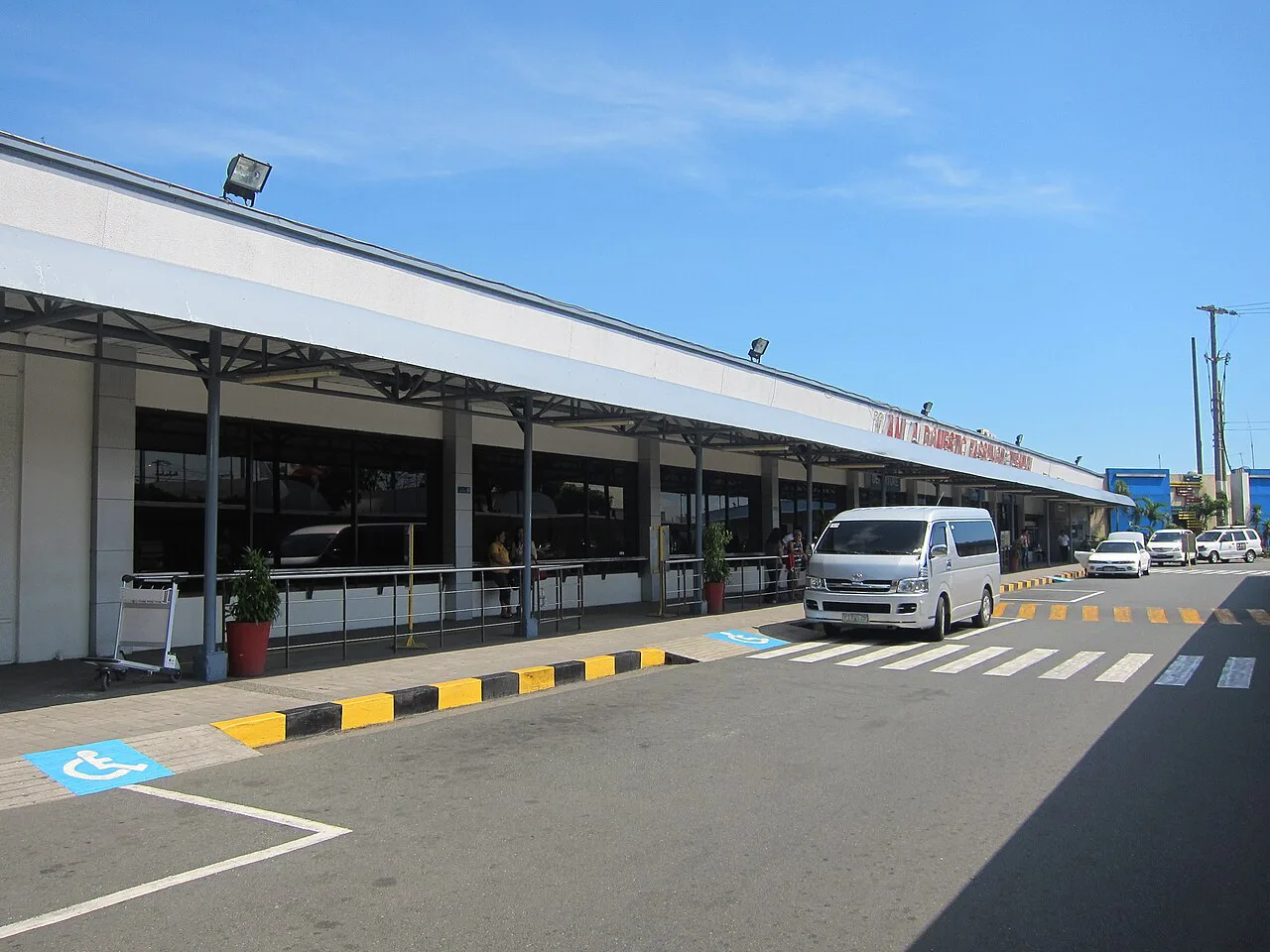
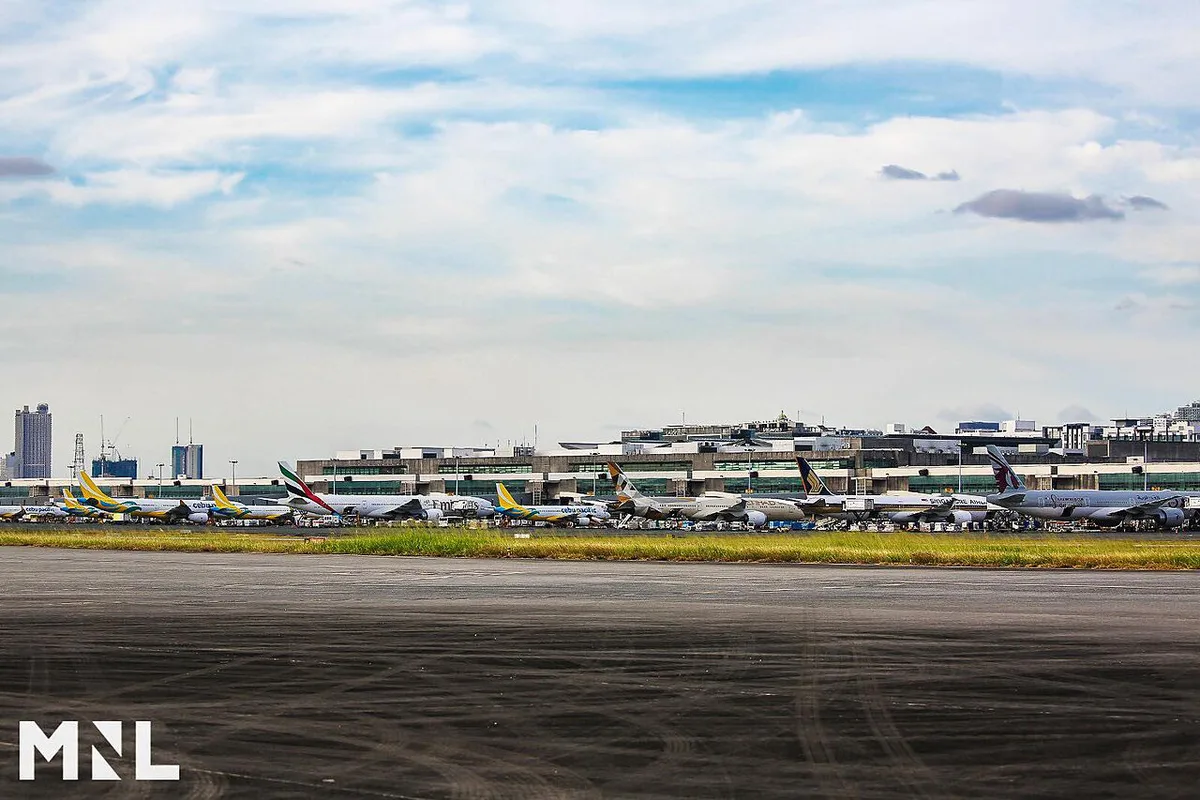
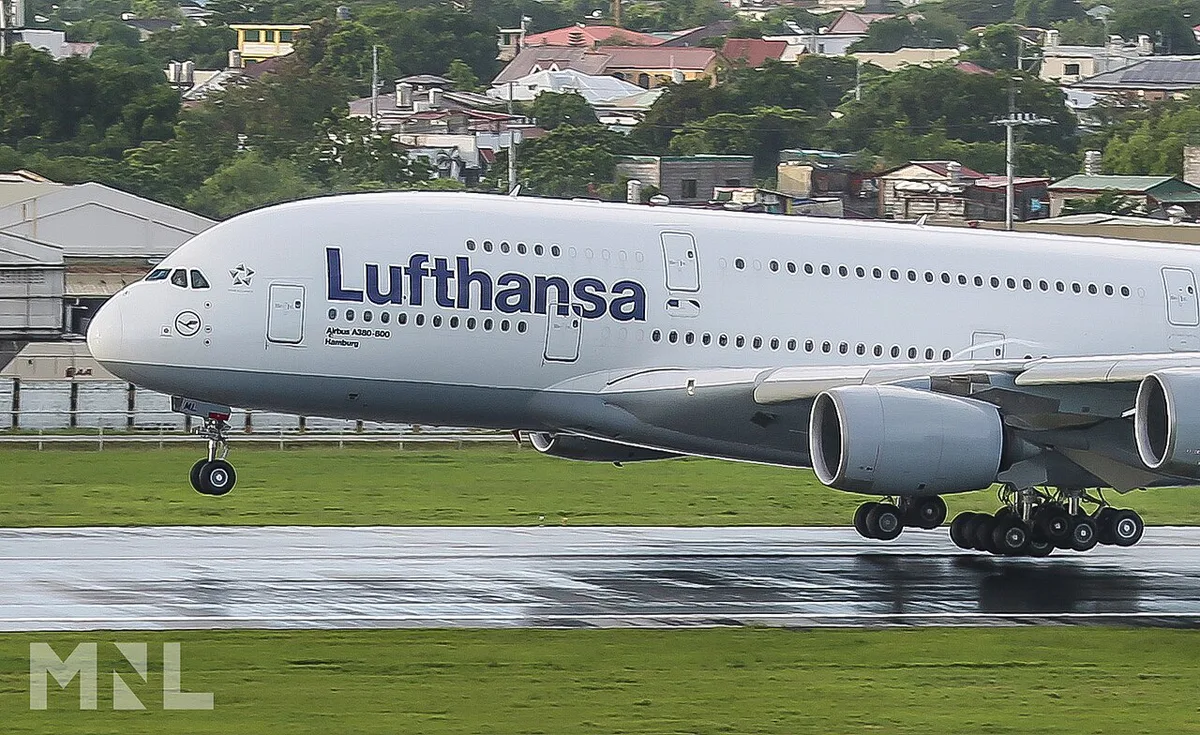
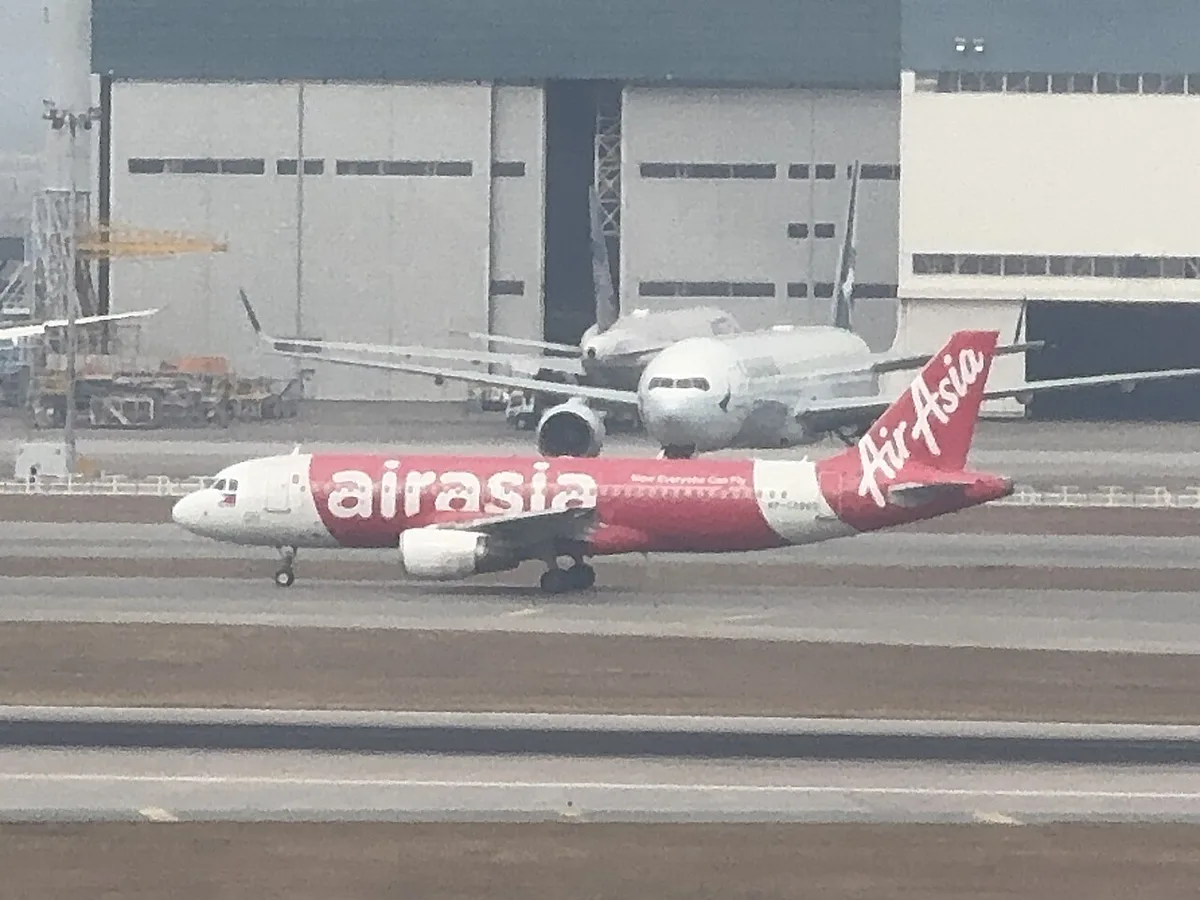
Manila airport runs several terminals, and airlines are split between them. Terminal 2 has been all-domestic since April 16, 2023, and Philippines AirAsia domestic flights have operated there since July 1, 2023. Philippine Airlines moved its international flights to Terminal 1 in June 2023. Its current schedule sits on the Philippine Airlines site.
Cebu Pacific flies from Terminal 3, and its own booking pages name the terminal for your flight. On March 29, 2026, Japan Airlines, Vietnam Airlines and four other carriers moved to Terminal 3, while AirAsia Group international flights moved to Terminal 1. Details on that building are in our Terminal 3 guide, and our terminal map shows the layout. Skip old blog posts: assignments changed in 2023 and again in 2026.
2. Budget 30 to 60 minutes to the city
Yellow metered taxis wait outside the arrivals lobby and run 24 hours. A typical ride to central Manila takes 30 to 60 minutes, longer in rush-hour traffic. Fares of roughly ₱120 to ₱300 with a ₱70 starting fare are a dated reference, not a quote.
Pasay, the city that hosts the terminals, is served by LRT-1, MRT-3 and PNR rail, plus buses, jeepneys and UV Express. NAIA lies southwest of Makati, so Makati-bound travelers face a shorter ride than those heading to Quezon City. Skip street touts and coupon-taxi advice from 2020, because that service was suspended.
3. Plan connections around re-screening
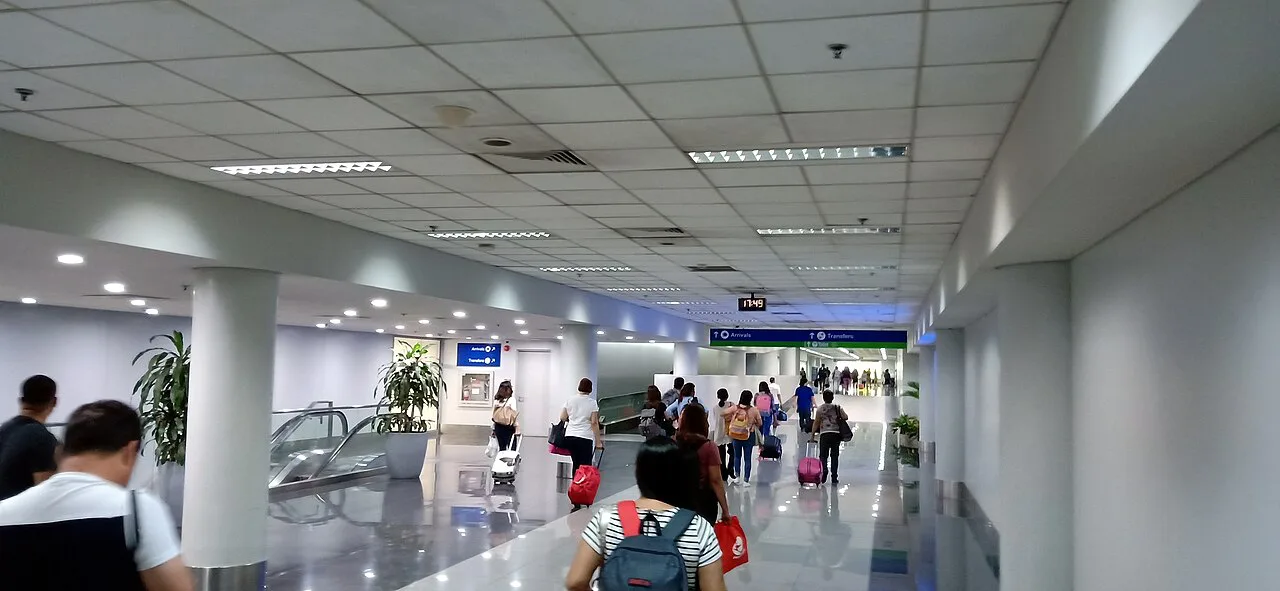
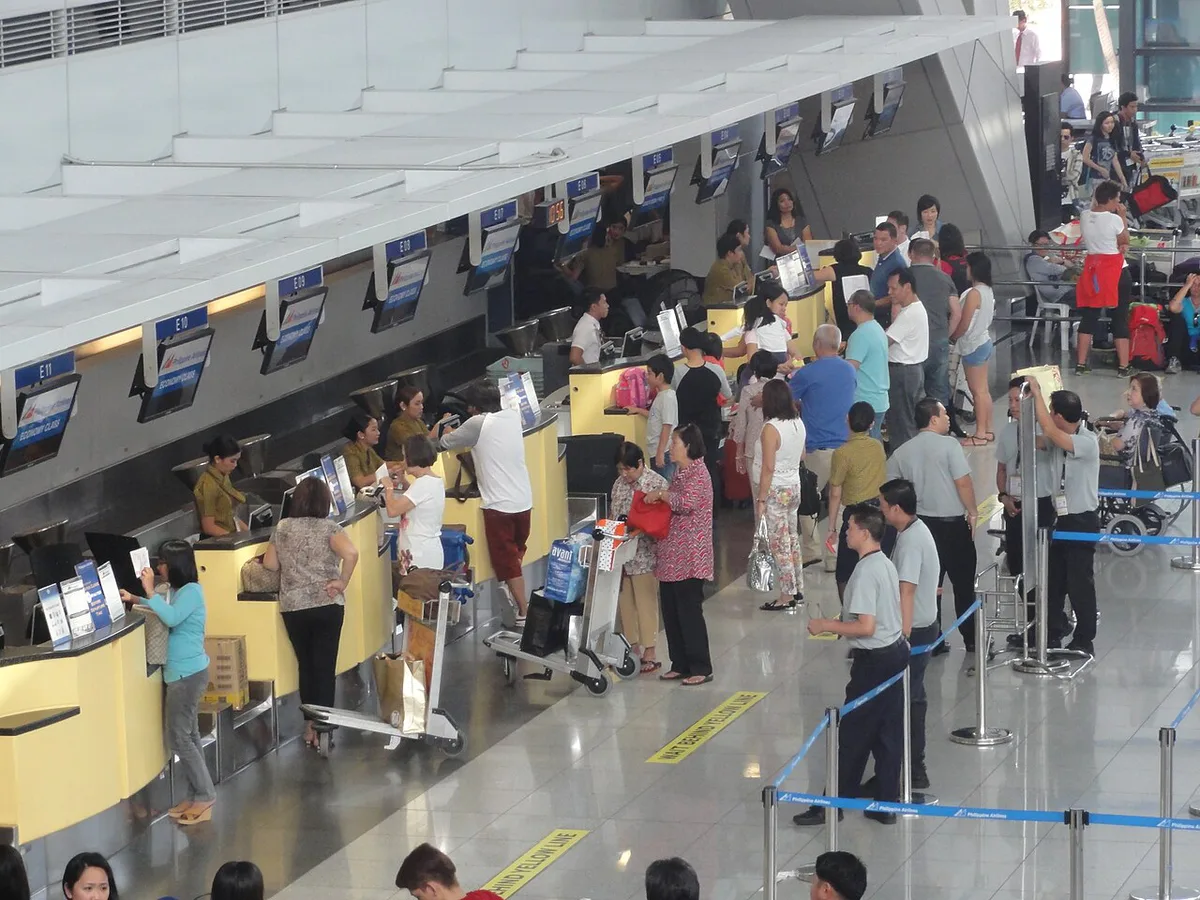
International connections start at the transfer desk, which sits before arrival immigration. Checked bags must be collected on arrival in the Philippines, even on a connecting itinerary. You then clear security again to enter the next departure terminal.
Moving between terminals means a free shuttle bus or a taxi, and waits vary with traffic. Allow a generous buffer of several hours; this is advice, not an official figure. Skip self-transfers on two separate tickets if the gap is tight, because a delay leaves you without airline protection.
4. Prepare entry paperwork early
Every arriving passenger must complete eTravel registration, which opens 72 hours before arrival. Save the QR code to your phone before you land. Immigration may ask for an onward or return ticket, so keep it ready with your passport.
The Bureau of Immigration publishes current entry rules. Skip last-minute registration at the curb, because airport Wi-Fi and queues make it slow.
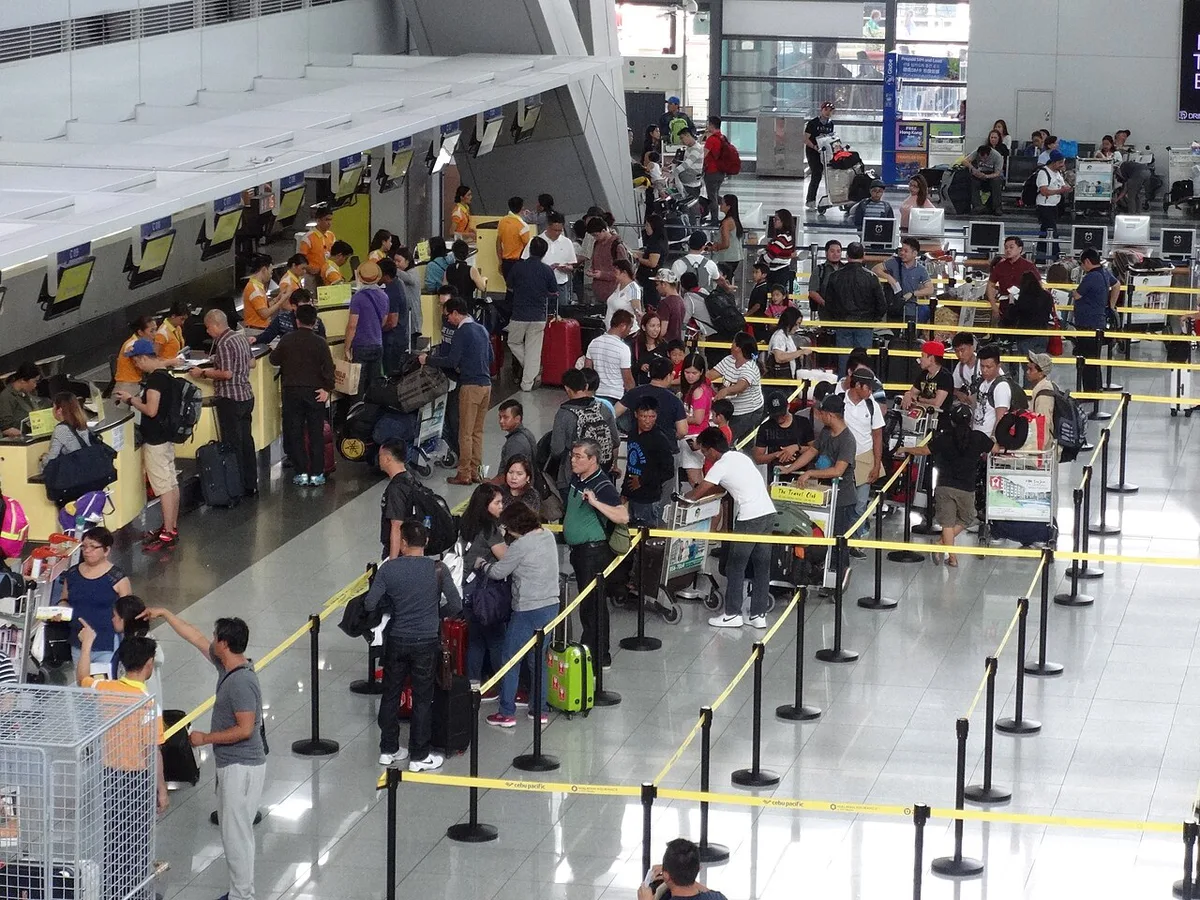
5. Allow for a crowded airport
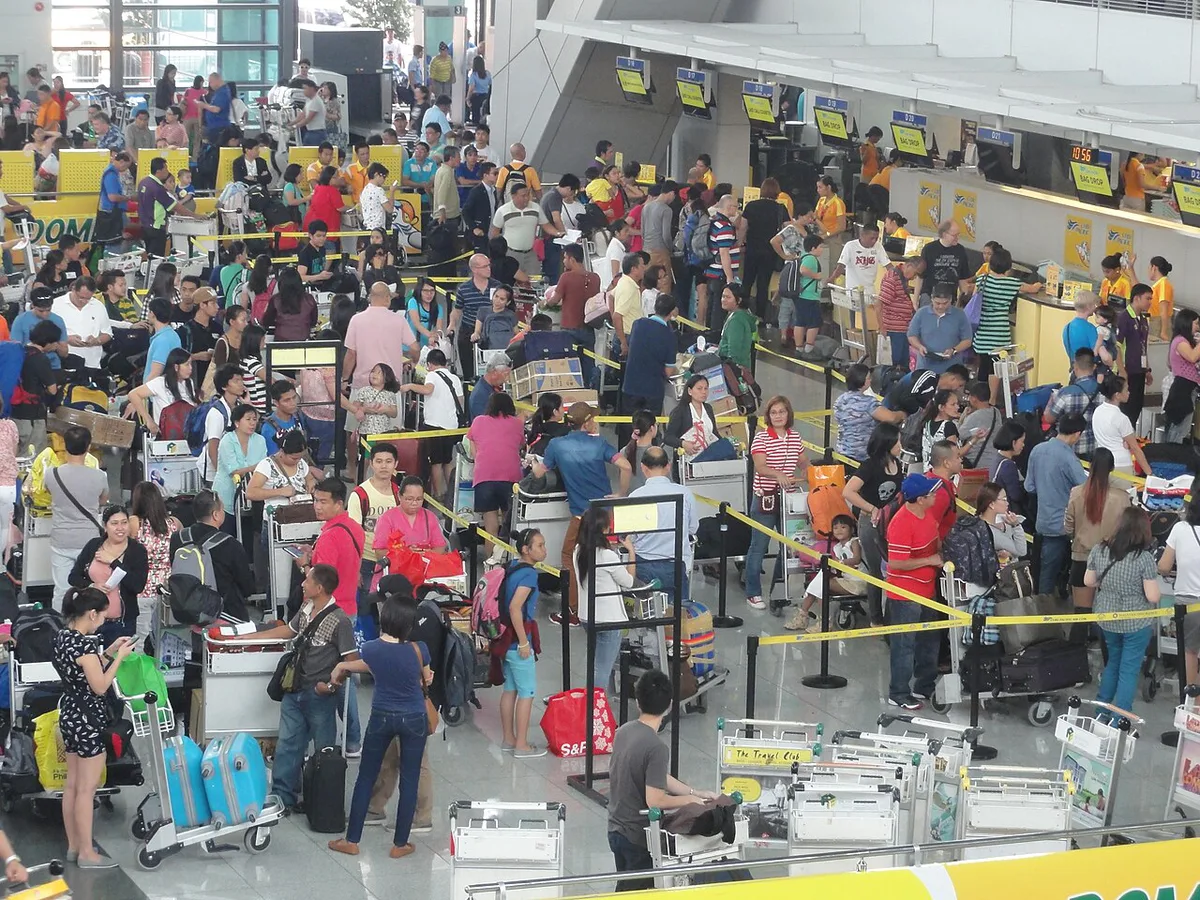
NAIA served over 50 million passengers in 2024 against a design capacity of 35 million. Operations passed to the New NAIA Infrastructure Corporation on September 14, 2024, which now manages concessions, shuttles and parking. Expect queues at check-in, security and immigration, and arrive early.
Notices and a text hotline (09178396240, 8 a.m. to 7 p.m., Mondays to Thursdays) are listed on the MIAA site. Clark International in Pampanga also serves Greater Manila, and a Bulacan airport is planned, but neither replaces NAIA today.
Manila Airport to the City: Which Ride Fits You
Metered taxis are the only option with verified figures. See our Manila airport taxi guide for pickup details. For late arrivals, taxis run 24 hours, so a midnight landing still has a ride.
NAIA sits roughly 7 km from central Manila, yet the trip still runs 30 to 60 minutes, with traffic deciding where you land.
| Option | Time | Cost | Luggage and late night |
|---|---|---|---|
| Metered taxi | 30 to 60 minutes | ₱120 to ₱300, ₱70 start | Easy with bags, 24 hours |
| Rideshare | Varies, check locally | Varies, check locally | Check in-app availability |
| Bus or jeepney | Varies, check locally | Varies, check locally | Tight with large bags |
| Train (LRT-1, MRT-3, PNR) | Varies, check locally | Varies, check locally | Needs a ride to a station |
Choose Your Manila Airport Layover Plan by Length
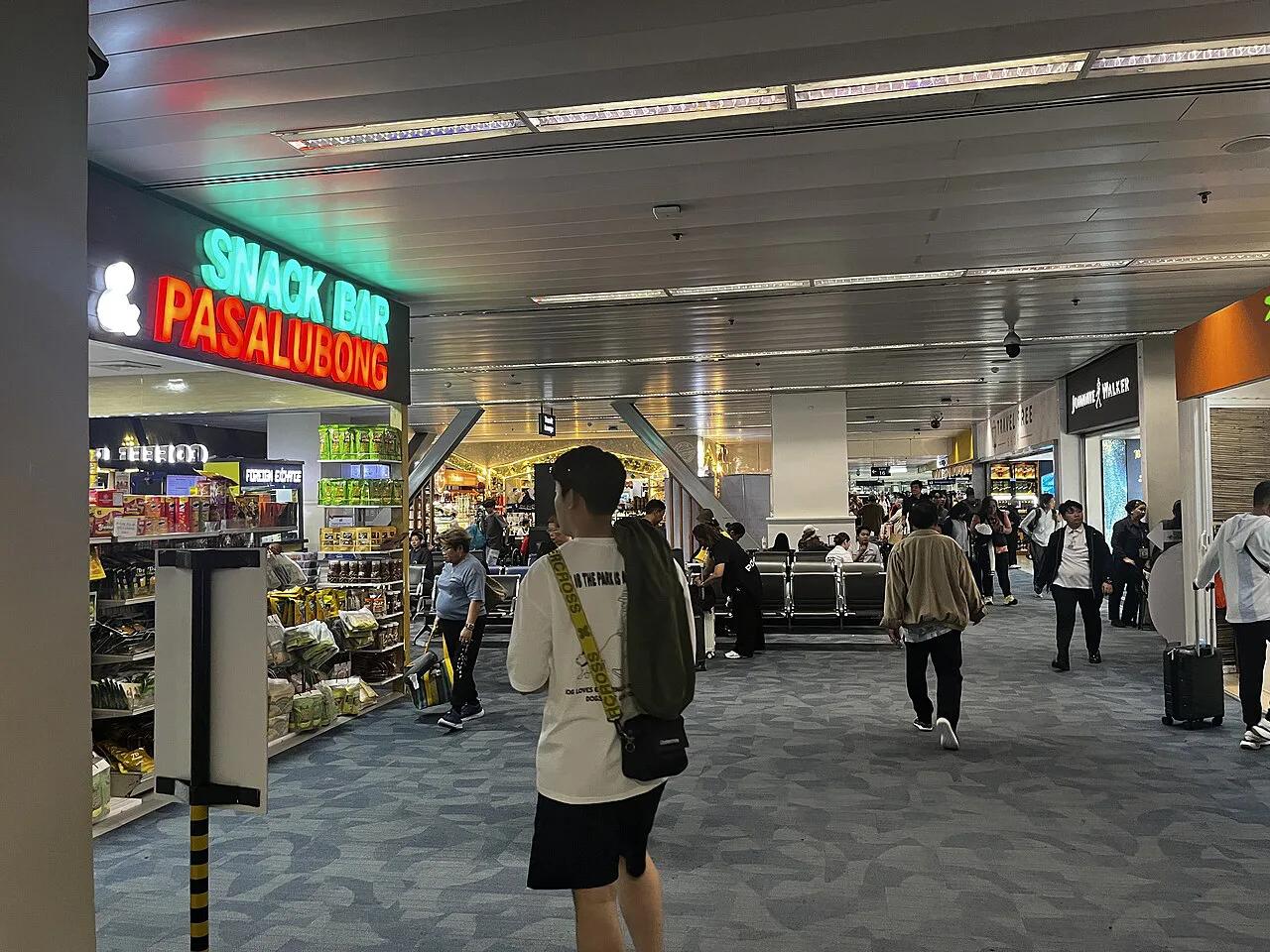
Match the plan to the gap between flights. With a short gap, stay airside and eat at the terminal food options. Spend leftover time in the duty-free shops. A mid-length gap suits an airport lounge. For an overnight stop, consider the transit hotel. Planning to leave? Drop bags at luggage storage first. Our Manila layover guide covers the city, and things to do in the airport covers staying put.
Mistakes to Avoid at NAIA
Most problems come from stale information or thin buffers.
eTravel registration opens 72 hours before arrival, so you can finish it at home rather than at the curb.
- Assuming every airline uses one terminal.
- Booking a tight self-transfer on two tickets.
- Relying on 2020 coupon-taxi advice.
- Skipping eTravel registration before arrival.
- Accepting rides from unofficial touts instead of the metered taxi line.
Airport guides for other hubs
- Tashkent's airport guide
- Almaty's airport guide
- Dhaka's airport guide
- Kathmandu's airport guide
- Kolkata's airport guide
- Hyderabad's airport guide
- Chennai's airport guide
- Bangalore's airport guide
- Mumbai's airport guide
- Amman's airport guide
- Kuwait's airport guide
- Bahrain's airport guide
- Jeddah's airport guide
- Riyadh's airport guide
- Muscat's airport guide
- Abu Dhabi's airport guide
- Dubai's airport guide
- Doha's airport guide
- Chengdu's airport guide
- Shenzhen's airport guide
- Guangzhou's airport guide
- Shanghai's airport guide
- Beijing's airport guide
- Taipei's airport guide
- Singapore's airport guide
Frequently Asked Questions
Are there two airports in Manila?
NAIA is the main airport. Clark International in Pampanga also serves Greater Manila, and a new airport in Bulacan is planned.
Is the Manila Airport good?
NAIA is crowded, with over 50 million passengers in 2024 against a 35 million design capacity. Privatization began on September 14, 2024, and rehabilitation is ongoing, so buffers matter.
Can you stay overnight in Manila Airport?
Overnight stays depend on your terminal and ticket. Our transit hotel and lounge pages above cover the options, and the MIAA site lists current notices.
Explore More Manila Guides
Keep planning your Manila trip with these guides.
Manila Guides
- Manila Layover Guide
- Manila Airport Lounges (NAIA)
- Manila Airport Transit Hotel: Where to Rest Near NAIA
- Manila Airport Terminal Layout and Transfers
- Manila Airport (NAIA) Luggage Storage by Terminal
- 7 Things To Do in Manila Airport
- Manila Airport (NAIA) Taxi Guide
- Where to Eat at Manila Airport
- NAIA Duty Free
- NAIA Terminal 3 Guide
Notes for your next connection
Optional updates when our airport guides change.
You might also like

Continue reading
More guides you'll find useful