NAIA Map: Manila Airport Terminal Layout and Transfers
Use this NAIA map guide to find your Manila terminal, understand the layout, and plan transfers between Terminals 1, 2, 3 and 4.
On this page
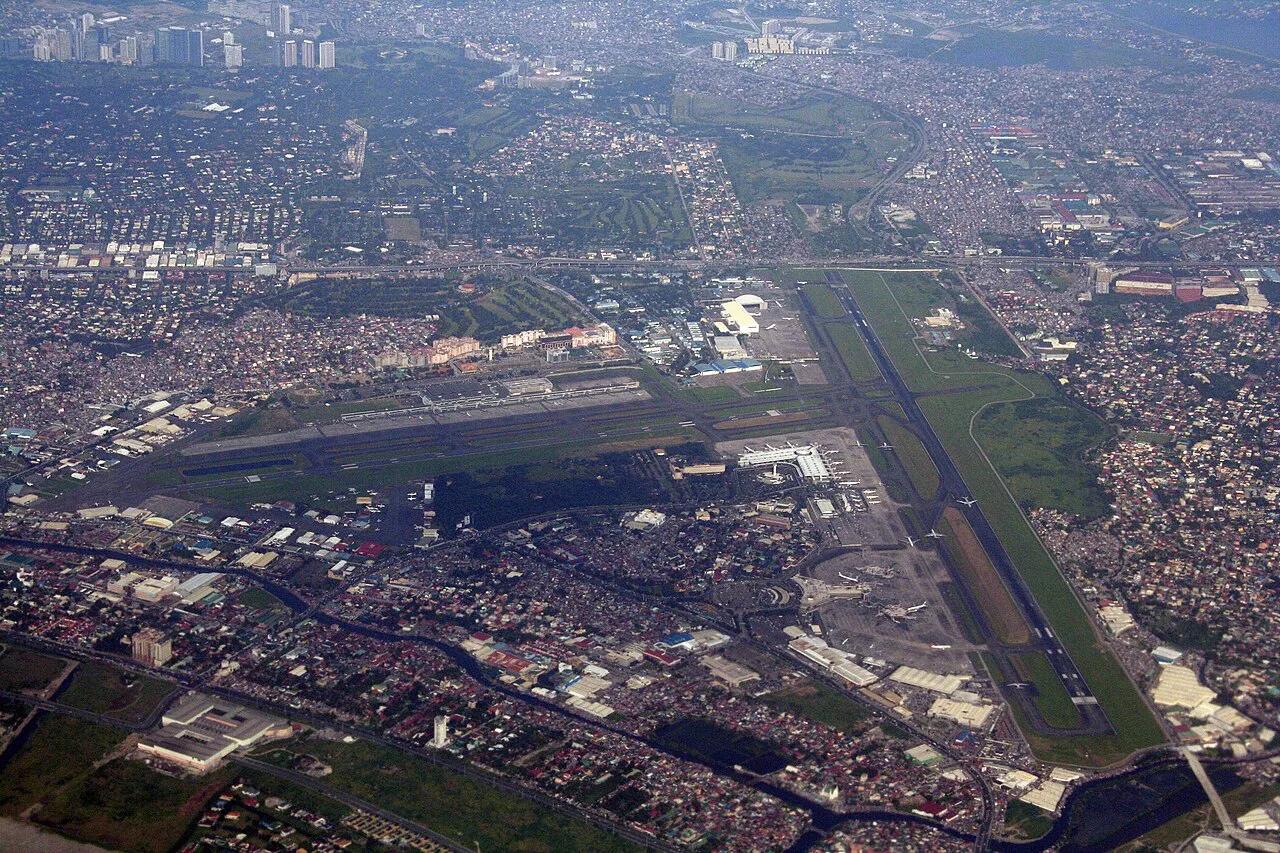
Last updated November 2026. A useful naia map starts with one fact: Terminals 1, 2, 3 and 4 are separate buildings in different parts of Pasay and Parañaque, not one connected complex. Check your airline's terminal on your booking before you leave, then use this guide for the layout and transfer options. Airline allocations change, so confirm against MIAA's official site before a tight connection.
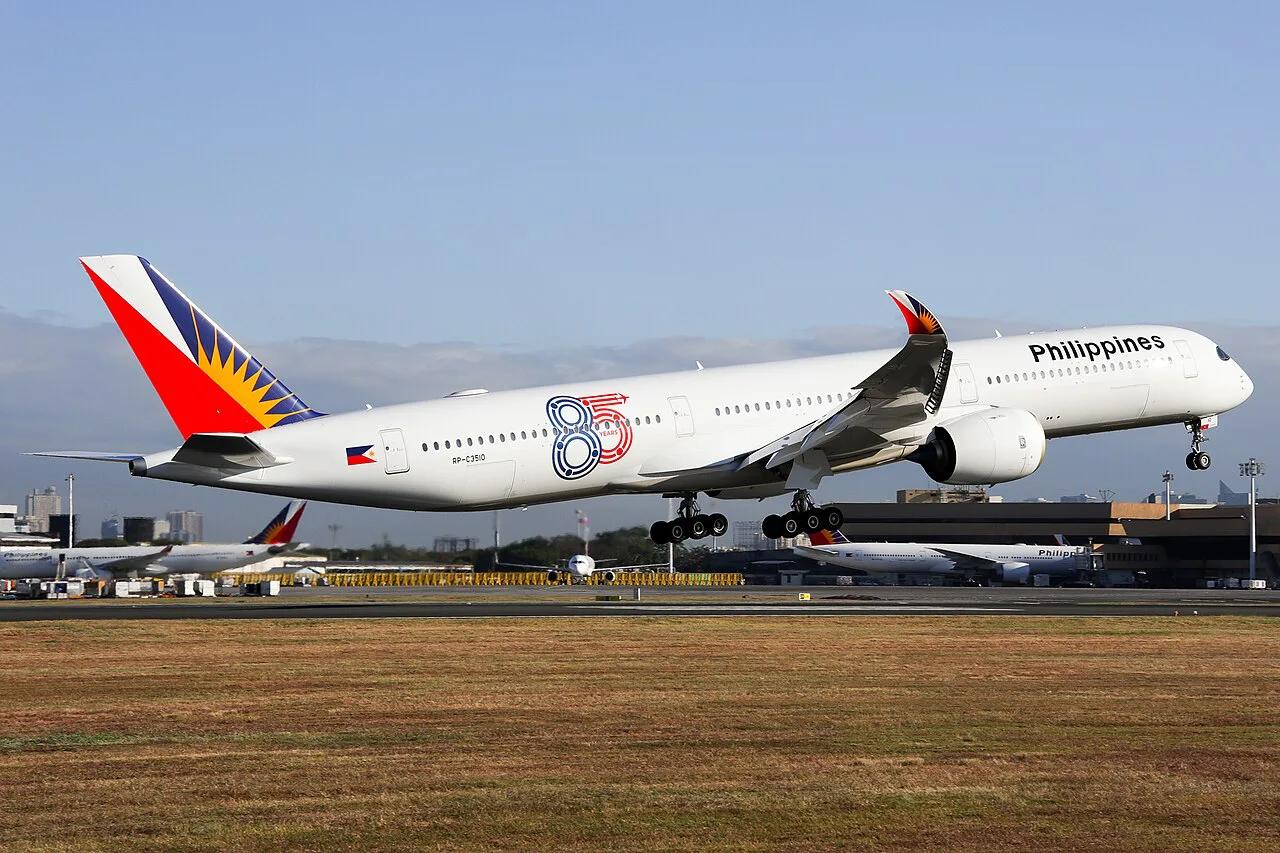
Featured image: Josh Lim (Sky Harbor), CC BY-SA 3.0 ph, via Wikimedia Commons.
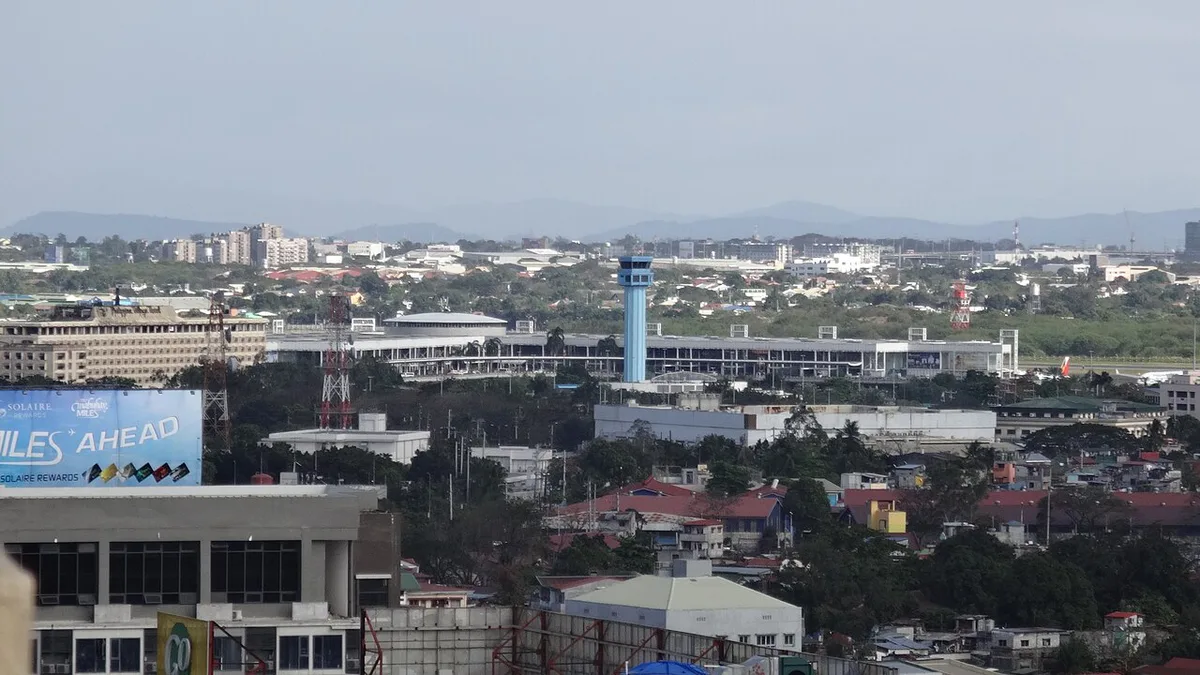
NAIA Map at a Glance: Four Terminals, Not One Building
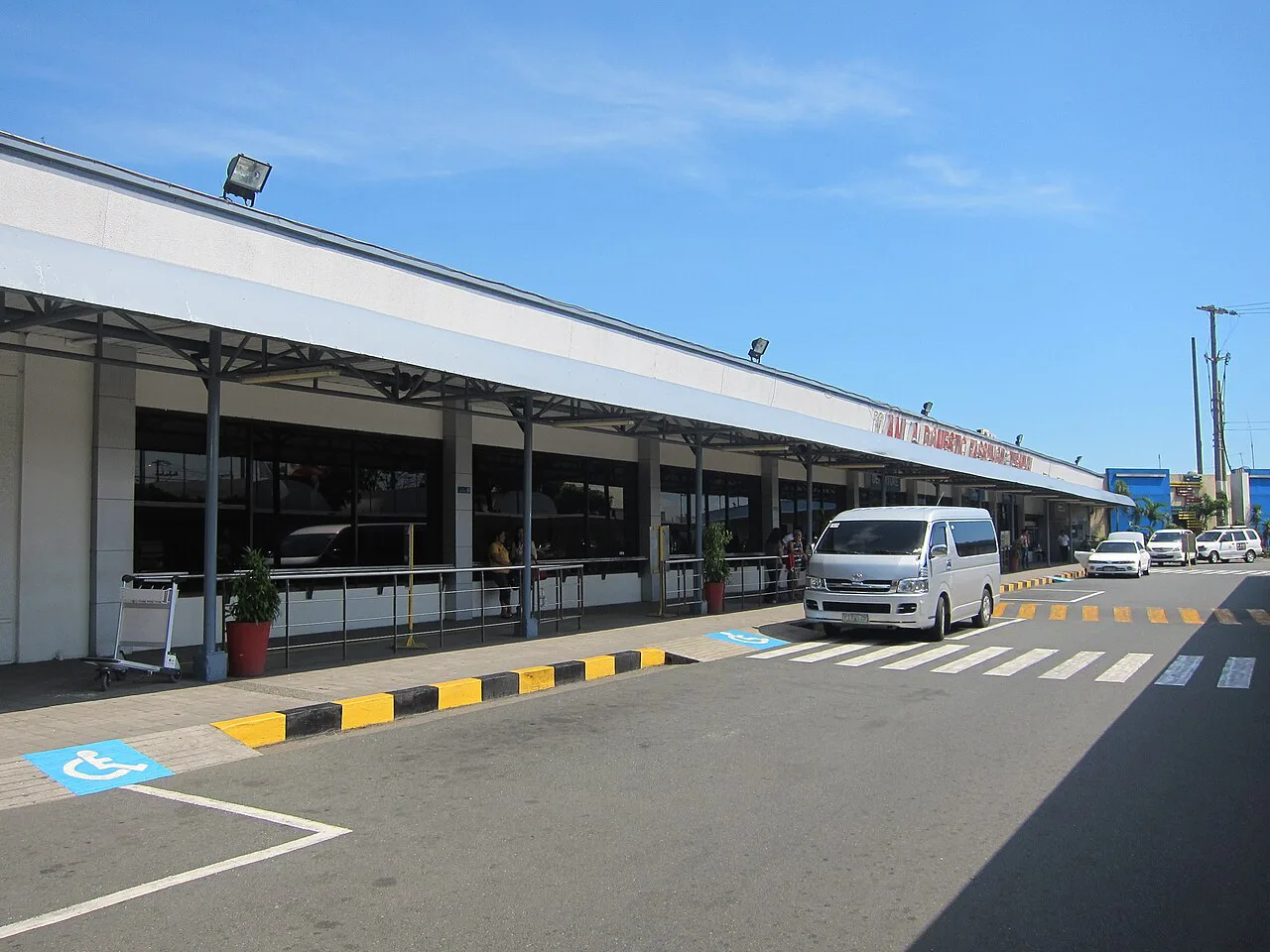
Ninoy Aquino International Airport has four terminals. Pasay's city profile counts three NAIA terminals within its limits. Map apps place the Terminal 1 departure area in Parañaque, so the boundary between the two cities runs through the airport zone. Plan on road travel between terminals, not a corridor walk. Our 5 Things to Know About Manila Airport (NAIA) Before You Fly covers the wider airport picture.

| Terminal | Where map apps place it | How to use it |
|---|---|---|
| Terminal 1 | Departure area listed in Parañaque | Check your airline's terminal list |
| Terminal 2 | Within the Pasay airport zone | Check your airline's terminal list |
| Terminal 3 | Within the Pasay airport zone | See our Terminal 3 page |
| Terminal 4 | Separate building in the airport zone | Ask your airline if it operates here |
Which NAIA Terminal Is Your Flight Using?
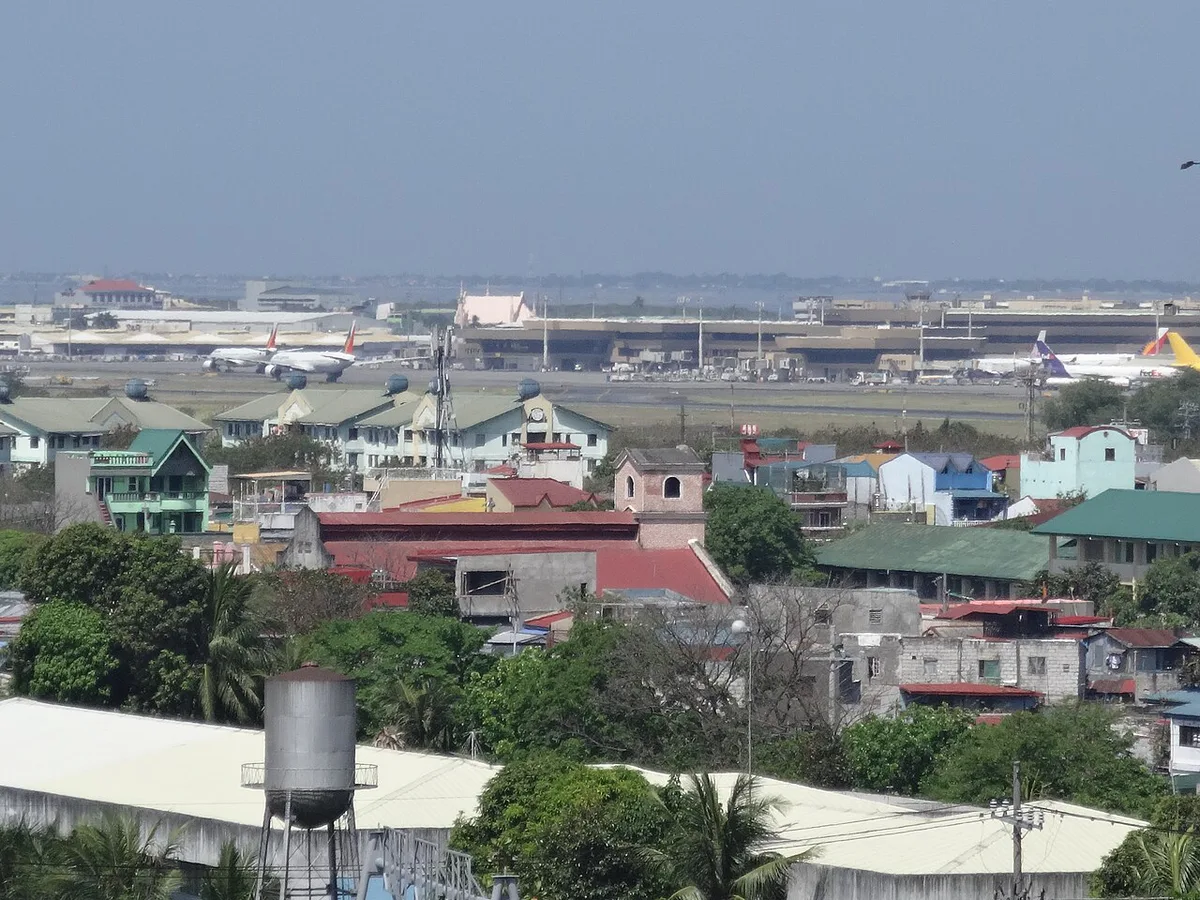
Start with your booking confirmation, which usually names the departure terminal. Next, open your airline's airport page, such as Philippine Airlines or Cebu Pacific. As of March 10, 2026, airline lists for Terminals 1, 2 and 3 are sourced from newnaia.com.ph. Terminal operations have moved to the New NAIA Infrastructure Corporation (NNIC), which now manages concessionaires, lounges, shuttle bus transfers and parking. For a last-minute question, the MIAA Txt NAIA Hotline is 09178396240. Staff answer from 8 a.m. to 7 p.m., Monday to Thursday, except on holidays.
Inside Each Terminal: Layout Walkthrough
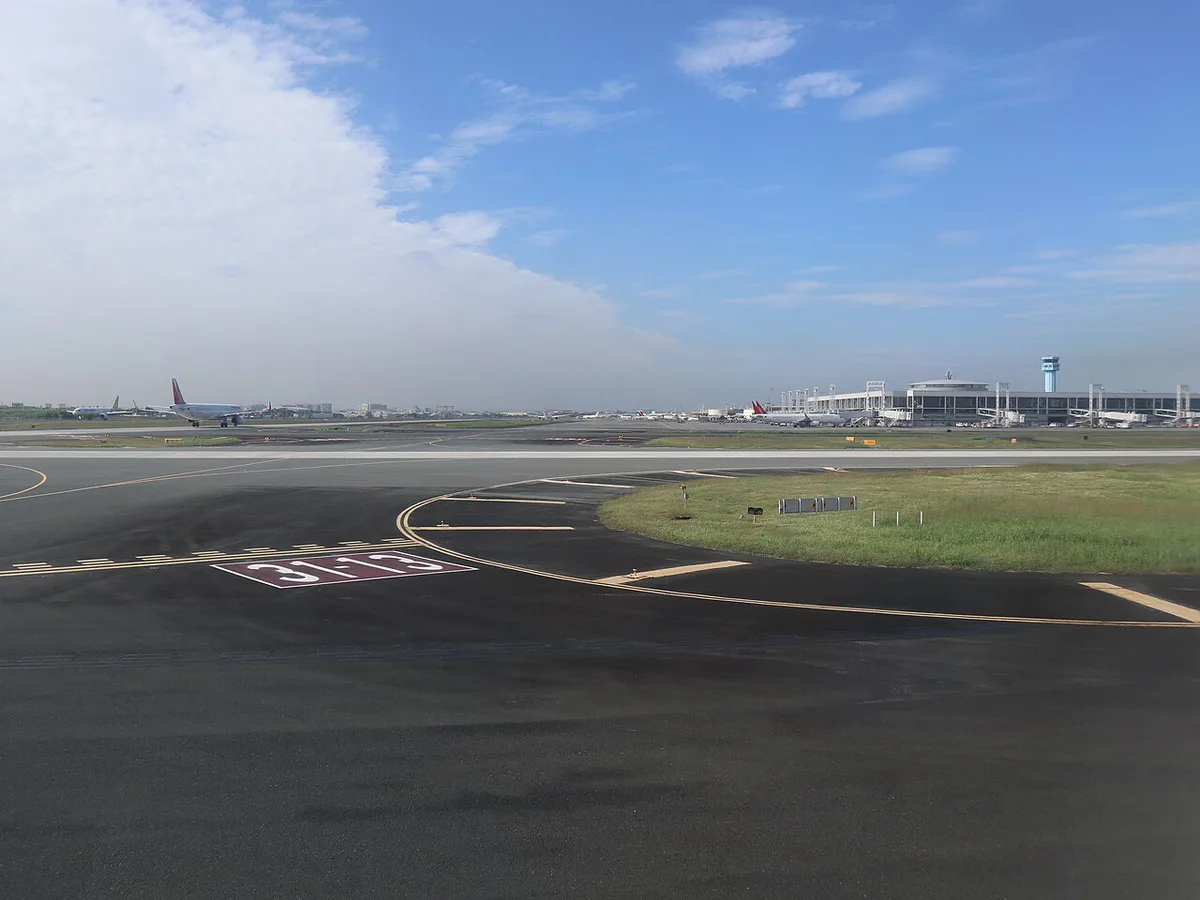
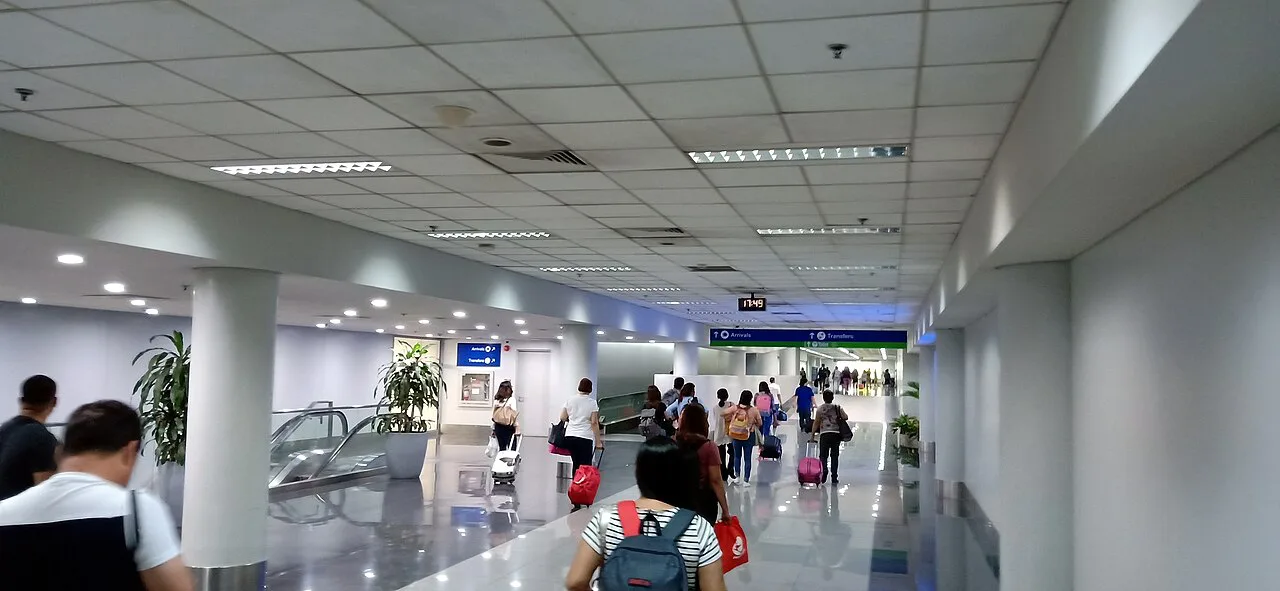
Every NAIA terminal follows the same passenger flow, even though the buildings differ. Departing passengers use the departure curb, then check-in, then Bureau of Immigration screening, then security and the gates. Arriving passengers go through immigration, baggage claim, customs and then the arrivals pickup area. Read Bureau of Immigration guidance for entry rules. For one terminal in depth, see our Terminal 3 guide.
- Departures: use the upper curb of your own terminal, not a neighboring one.
- Arrivals: pickup points sit outside baggage claim and customs.
- Pins in map apps: a pin named "Departure Area" marks the drop-off curb, not the arrivals exit.
- Rail: Pasay is served by LRT-1, MRT-3 and PNR, plus buses, jeepneys and UV Express.
Getting Between NAIA Terminals
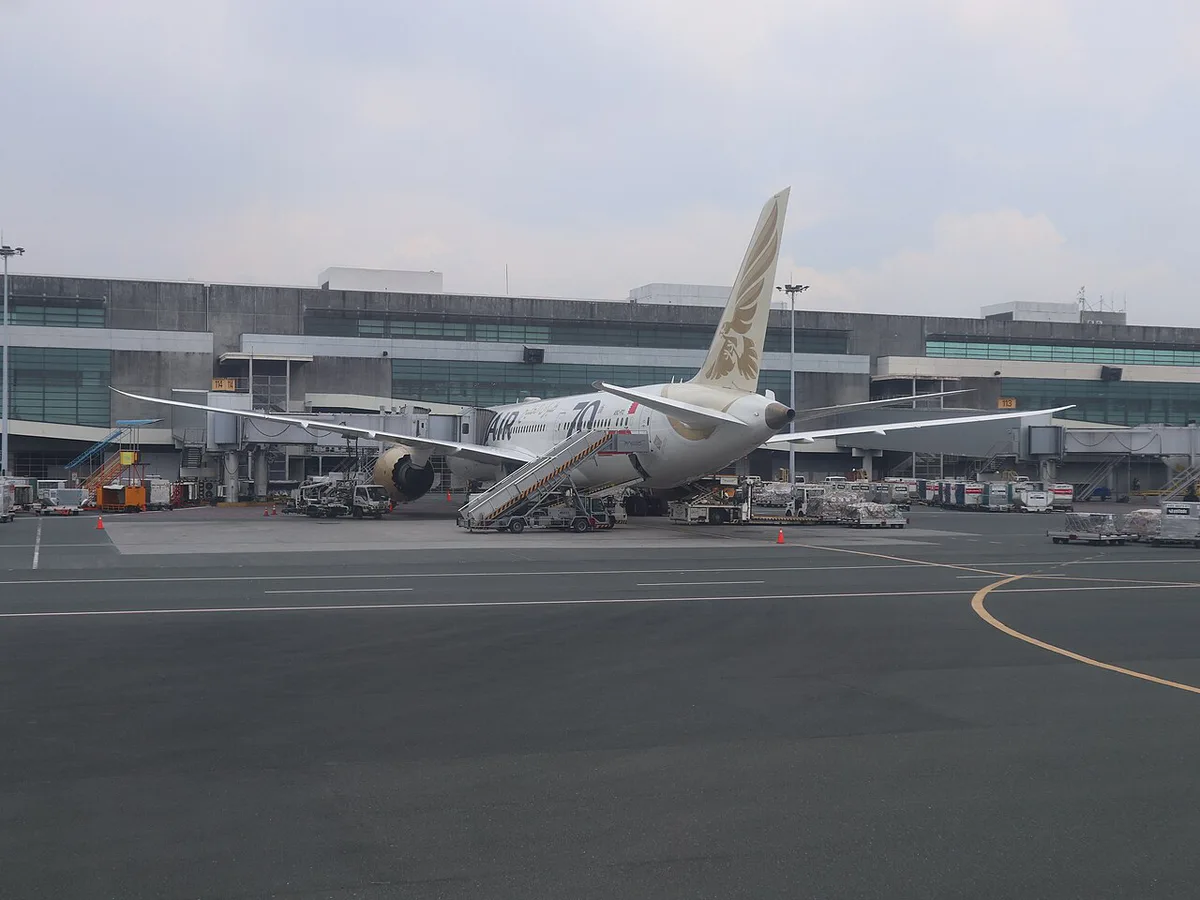
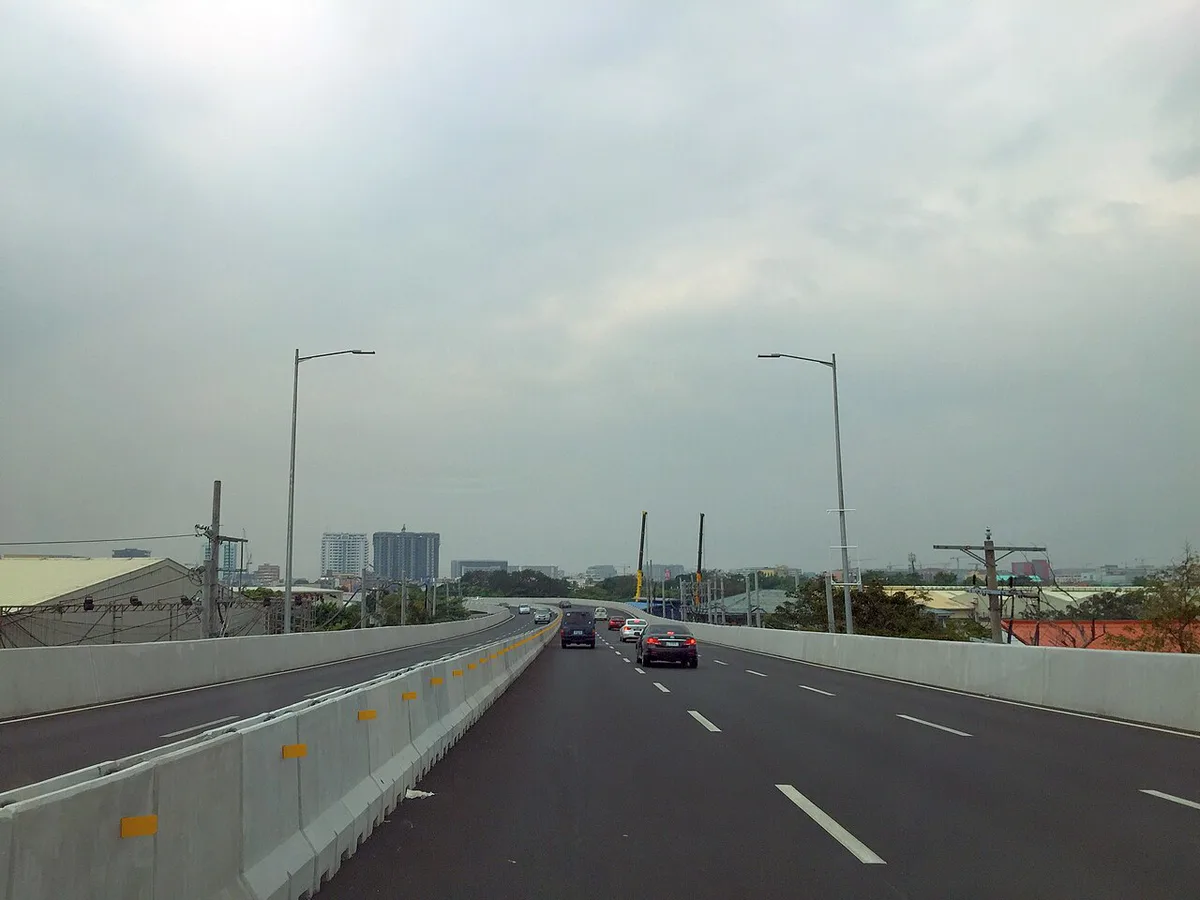
Terminal transfers are road trips, so traffic decides your timing. Metro Manila peak hours slow any road transfer. Pasay connects to Skyway and SLEX, but those expressways do not shorten a hop between terminals. NNIC manages shuttle bus transfers, so ask your airline or the hotline whether one runs when you travel. Use only official taxi queues and read our airport taxi guide before you ride.
Rail is a leg after the airport, since trains on LRT-1, MRT-3 and PNR serve Pasay rather than linking terminals.
| Option | Best for | Trade-off |
|---|---|---|
| Airport shuttle bus | Travelers with time to spare | Schedule and availability are set by NNIC |
| Official airport taxi | Heavy luggage, late arrivals | Use the official queue; avoid touts |
| Ride-hail | Pickup from a marked curb | Wrong pin means a missed driver |
| Walking | Rarely practical | Terminals are separate buildings |
Connecting Flights and Layovers
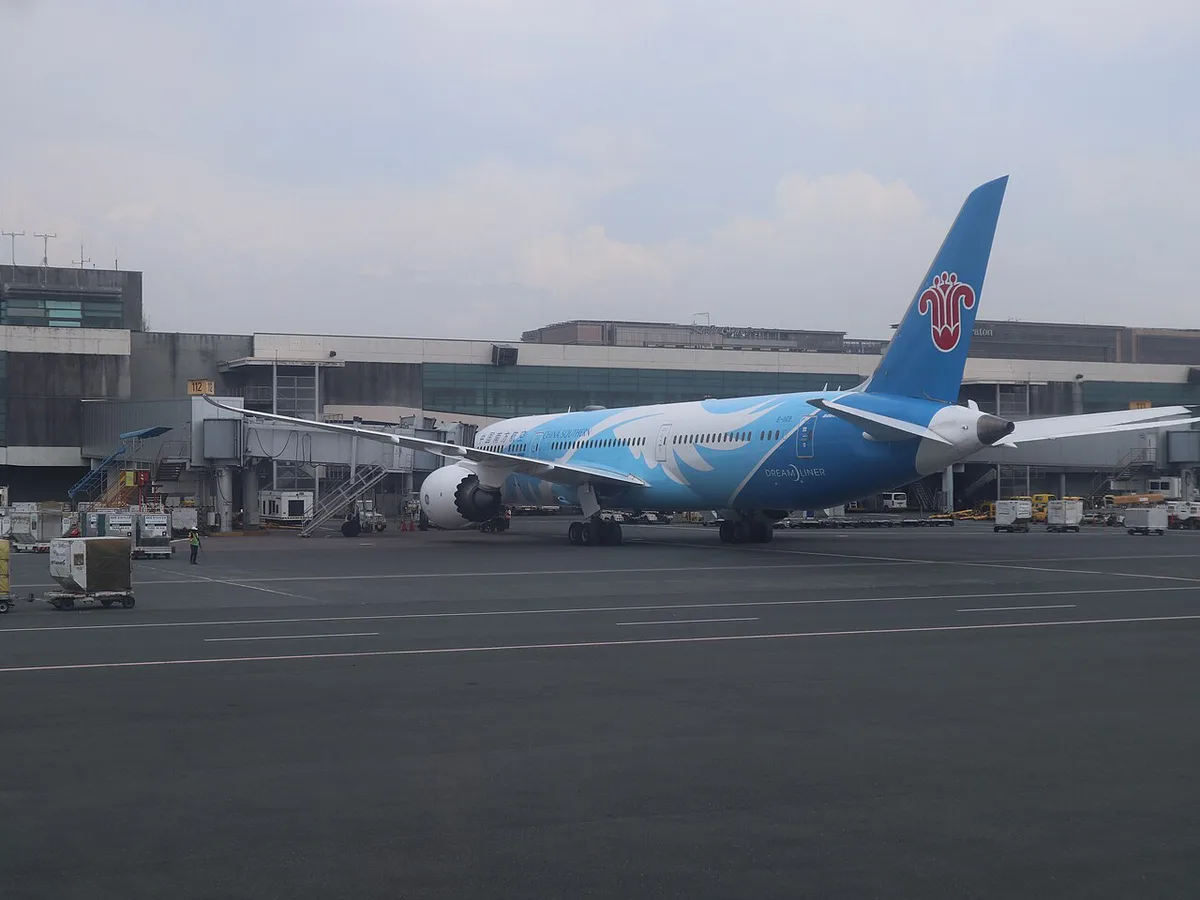
Your ticket type decides how much work a connection involves. On a single ticket, the airline may check your bags through, though you should confirm this at check-in. On separate tickets, expect to clear immigration, collect bags and re-check them. Build extra time for the terminal change itself. For a long gap, our Manila layover guide lays out the choices. A rest stop may suit you better, so see the transit hotel page. If you want to leave your bags, read about luggage storage options. For a gap that is long but not overnight, things to do at the airport has ideas.
Before a tight connection, reach the MIAA Txt NAIA Hotline while staff are on duty: 8 a.m. to 7 p.m. from Monday to Thursday, except holidays.
Facilities Near Your Terminal
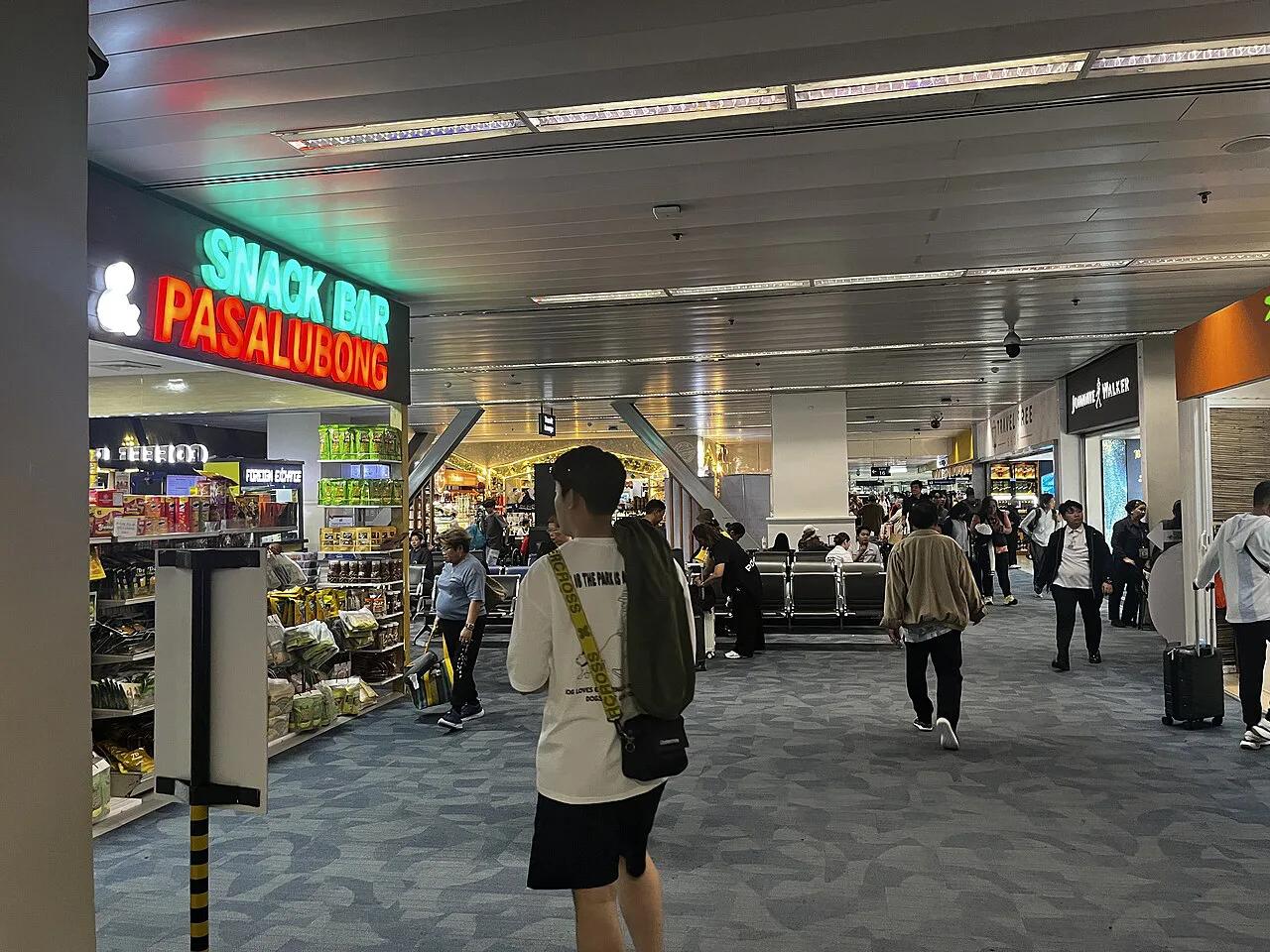
Lounges, restaurants, banks and shops are run by concessionaires under NNIC, so what you find varies by building. Pick your terminal first, then choose the facility. Compare airport lounge options if you want a quiet seat. Browse airport food choices before you clear security. For shopping, read about duty free stores, and see Philippine Duty Free for the operator.
Common Mistakes at NAIA
Most NAIA problems come from assuming the terminals are linked. Avoid these errors.
- Going to the wrong terminal because you never checked your airline's allocation.
- Taking a taxi from touts instead of the official queue.
- Choosing the arrivals curb for a departure drop-off.
- Trusting a map pin named "Departure Area" without checking which terminal it belongs to.
- Leaving for a transfer at peak hour with a tight connection.
Continuing from NAIA to Metro Manila Rail
NAIA is not one rail-connected terminal complex, so plan the airport-to-station leg separately from your train journey. Pasay is served by three rail lines: LRT-1, MRT-3 and PNR. These can be useful after you have left the airport zone, but they do not remove the need for road transport from your terminal.
Choose your ground transport based on your luggage, arrival time and final destination. An official airport taxi or ride-hail can make sense when bags are heavy or you arrive late. If you plan to continue by rail, set your destination in the map app first. Then choose the terminal’s correct arrivals pickup point rather than a pin labelled “Departure Area.”
Pasay also connects to Skyway and SLEX. Those roads may help for longer city or regional journeys, but traffic can still affect the first part of the trip from NAIA.
Notes for your next connection
Optional updates when our airport guides change.
You might also like

Continue reading
More guides you'll find useful