Hong Kong Airport Map: Terminals, Gates & Transfers
Understand the Hong Kong airport layout: terminals, gate areas, arrivals and departures levels, transfer routes and where to find the official map.
On this page
Last updated November 2026: the hong kong airport map is easiest to read as Terminal 1, a check-in-only Terminal 2 and a Midfield Concourse linked by an Automated People Mover. Pick the section that matches your situation: arriving, departing, transferring or meeting someone. For everything else on the airport, start with our full airport guide.
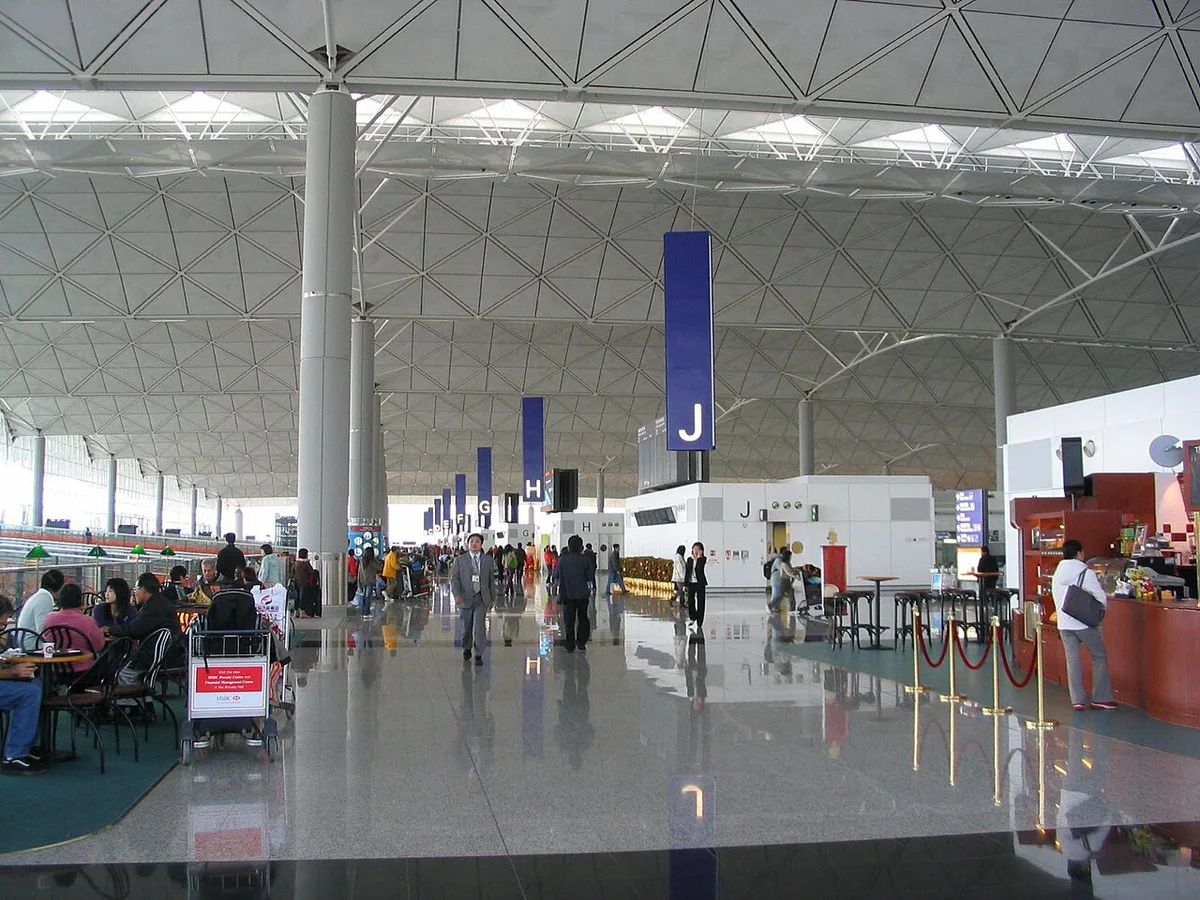
Featured image: LN9267, CC BY-SA 4.0, via Wikimedia Commons.
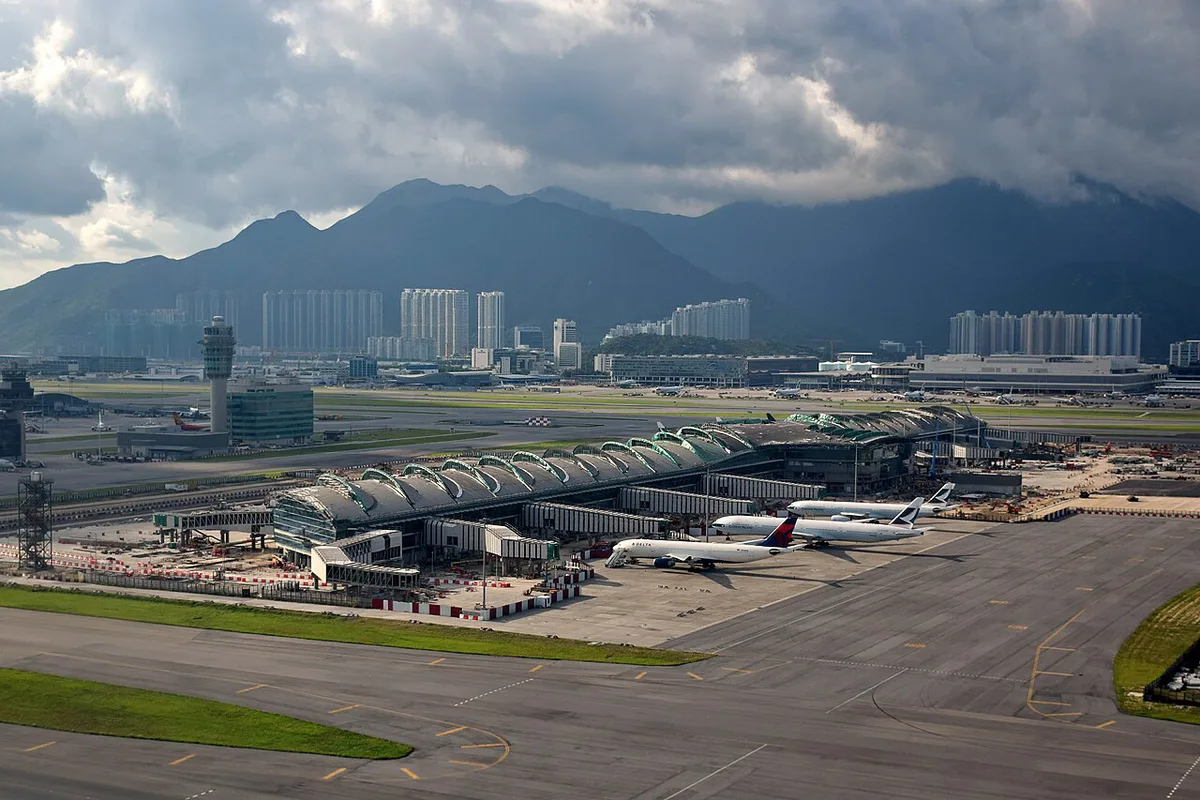
Hong Kong Airport Layout at a Glance
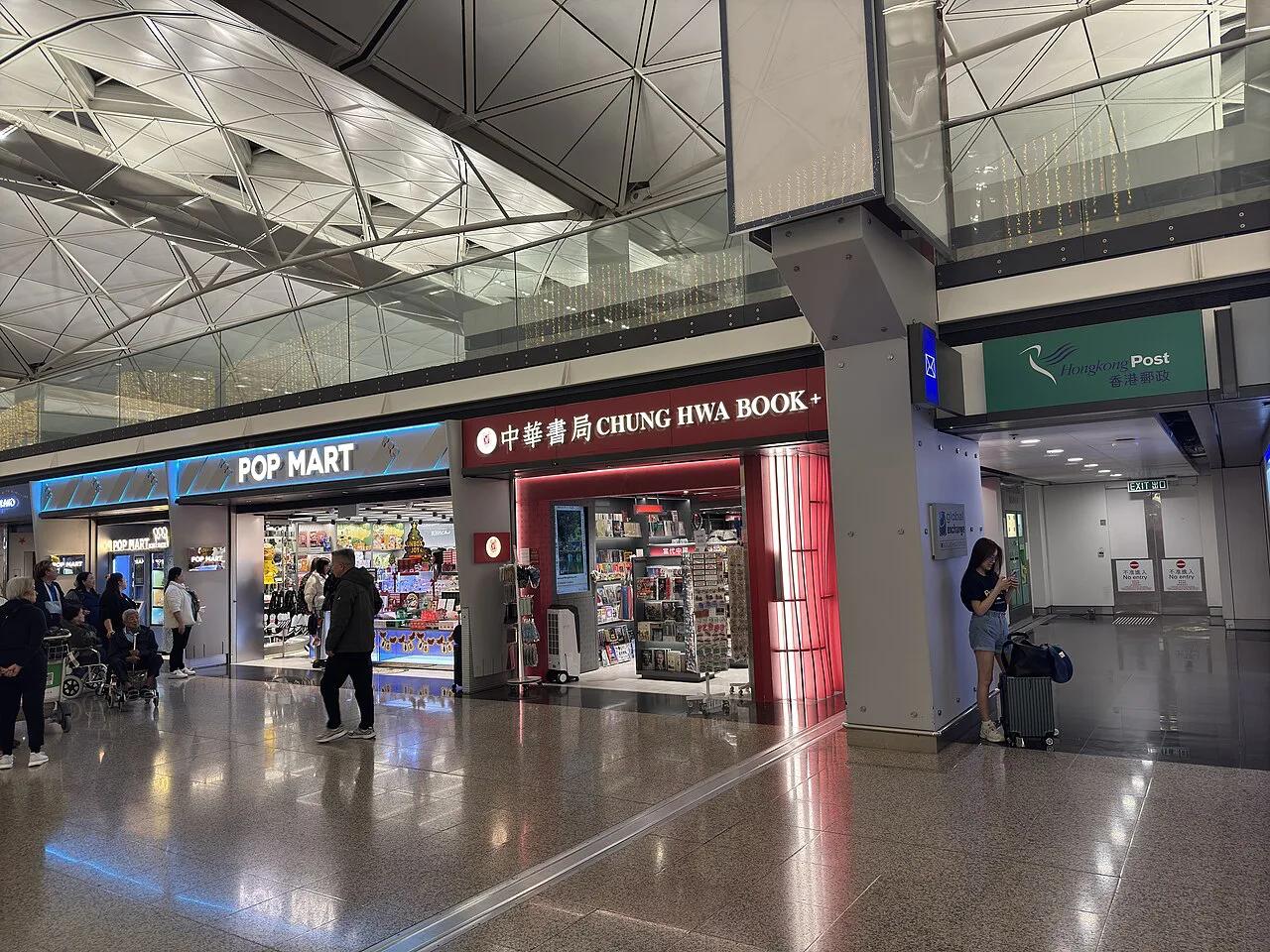
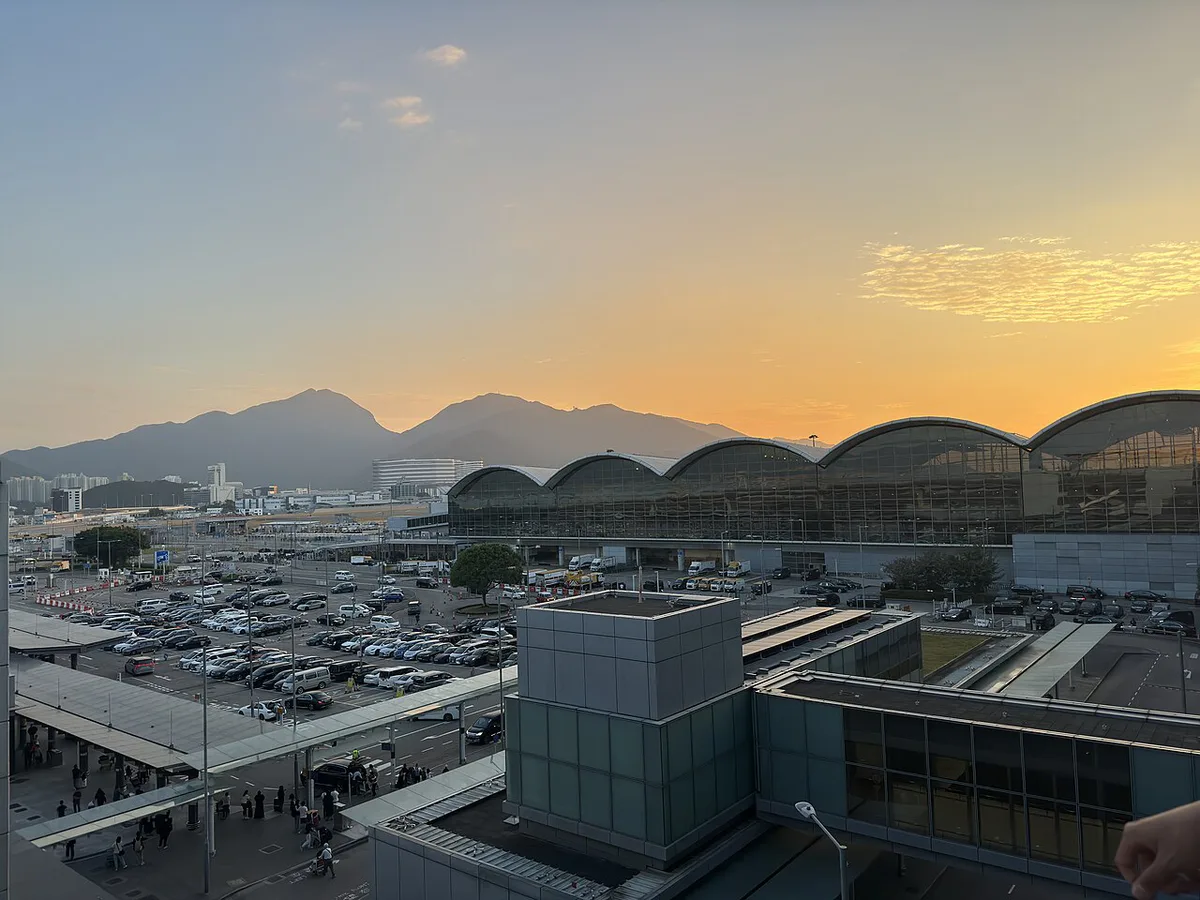
Hong Kong International Airport (HKG) has two terminal buildings and a separate concourse. Terminal 1 is the main building for arrivals, departures, shops and most gates. Terminal 2 is used for check-in only, and it is also where the SkyPier ferry services connect. Midfield Concourse holds additional gates away from the main building. Passengers reach it on the Automated People Mover, an airside train that runs between Terminal 1 and the concourse. A simple mental model helps. Check in at Terminal 1 or Terminal 2, clear security and immigration, then ride the people mover if your gate sits in the Midfield Concourse. Gate areas and facility positions change as construction progresses, so read your gate off the departures board rather than from memory.
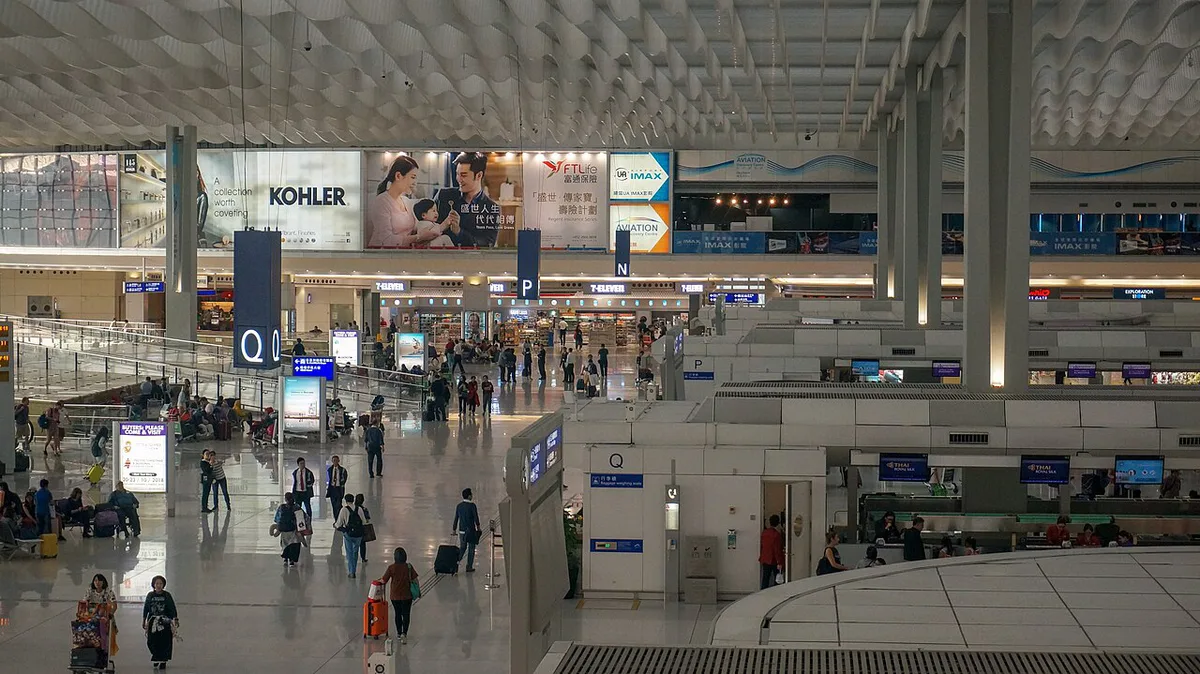
Where to Find the Official Hong Kong Airport Map
Start with the Airport Authority's official site. It publishes terminal maps and floor plans, and it is the source for terminal names, concourse details and airside or landside rules. The airport's mobile app is the quickest option once you are inside, because it follows your location. Printed directories and signage are free, but they show only the area around you. Third-party map directories and social-media posts are the weakest choice. They copy old layouts and lag behind gate changes, and some repeat unverified claims, such as supposedly skipped gate numbers. Treat those as rumours. Before you rely on any map, look for a date. If it has none, switch to the official version.
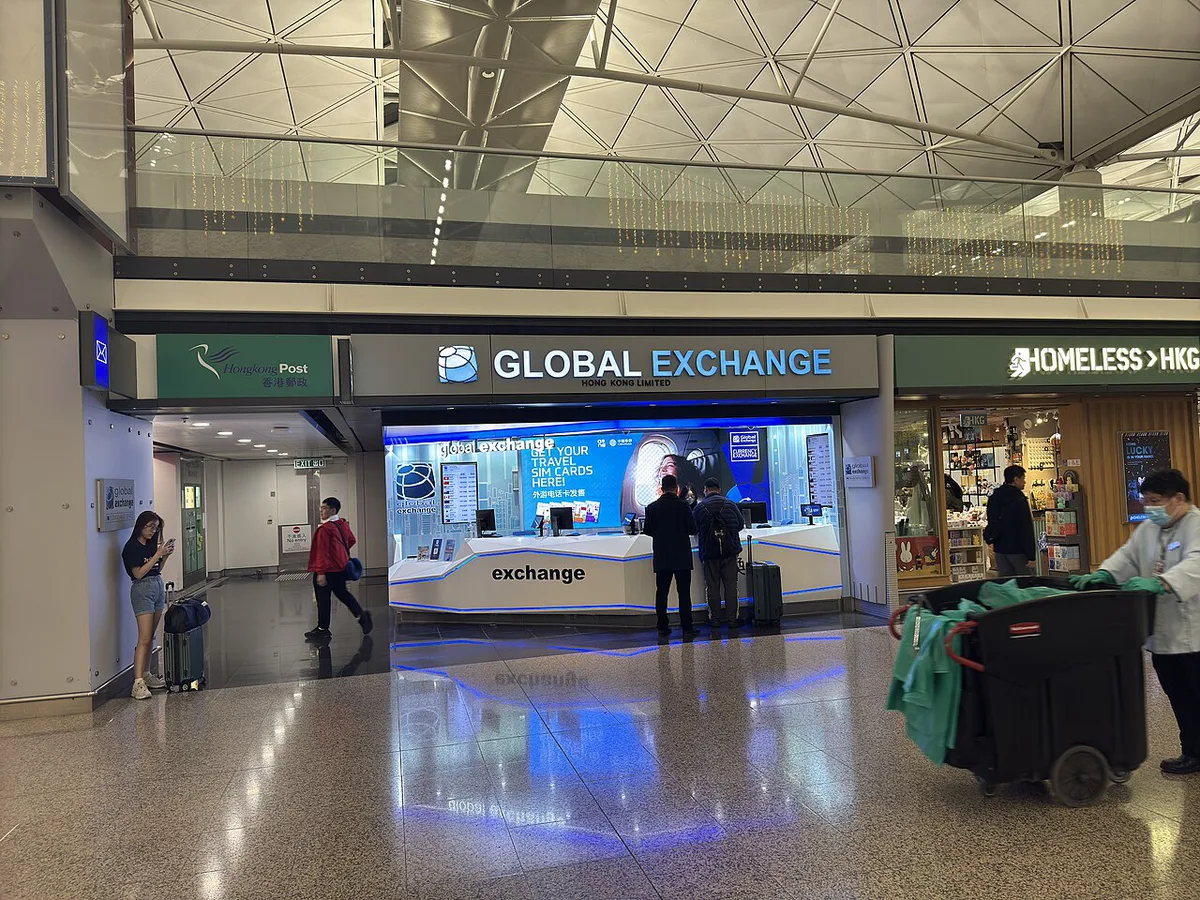
- Official site: terminal maps, floor plans and transfer pages.
- Airport app: live location and gate directions.
- Printed signage: free and current, but local to where you stand.
- Third-party directories: use only for a rough idea of the layout.
Arrivals vs Departures: Level-by-Level Orientation
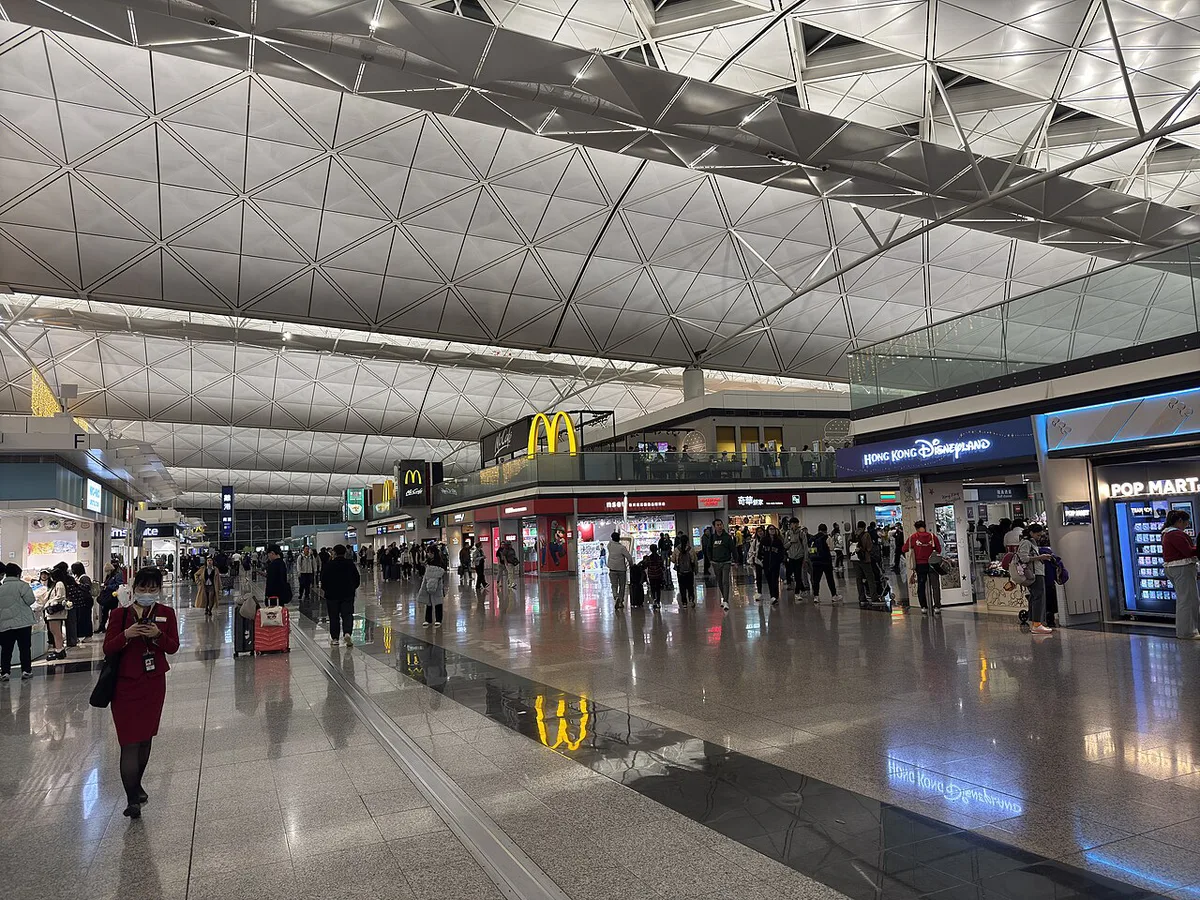
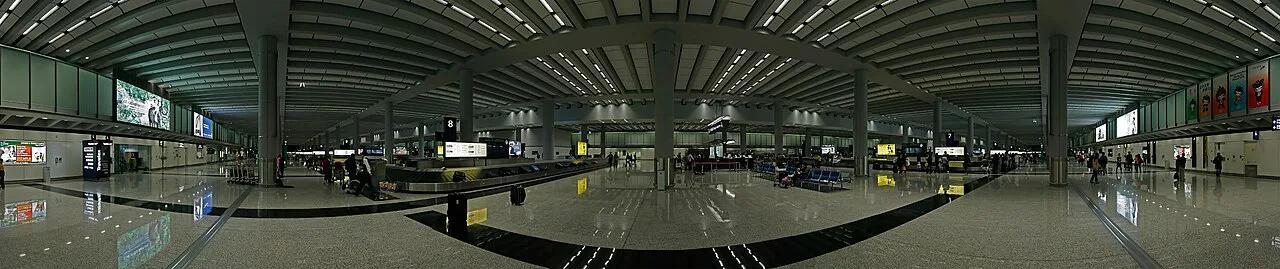
Terminal 1 stacks its functions on separate levels. Arrivals is on Level 5, and the departures check-in hall is on Level 7. Once you step off a plane, you pass through immigration and baggage reclaim before the arrivals hall opens. That arrivals hall is landside, which means anyone can walk in to meet you. On departure, you check in on Level 7 and then clear security and immigration. Everything after those checkpoints is airside, including gates, most lounges, duty free and the people mover. Landside facilities, such as left-luggage counters and many hotels, need you to be outside the secure area. That distinction decides most routing questions. Ask first whether you are airside or landside, then pick a facility. Terminal 2 is check-in only, so skip it unless your airline or ferry connection sends you there.
Finding Your Gate: Gate Areas, Walking Time and Transfers
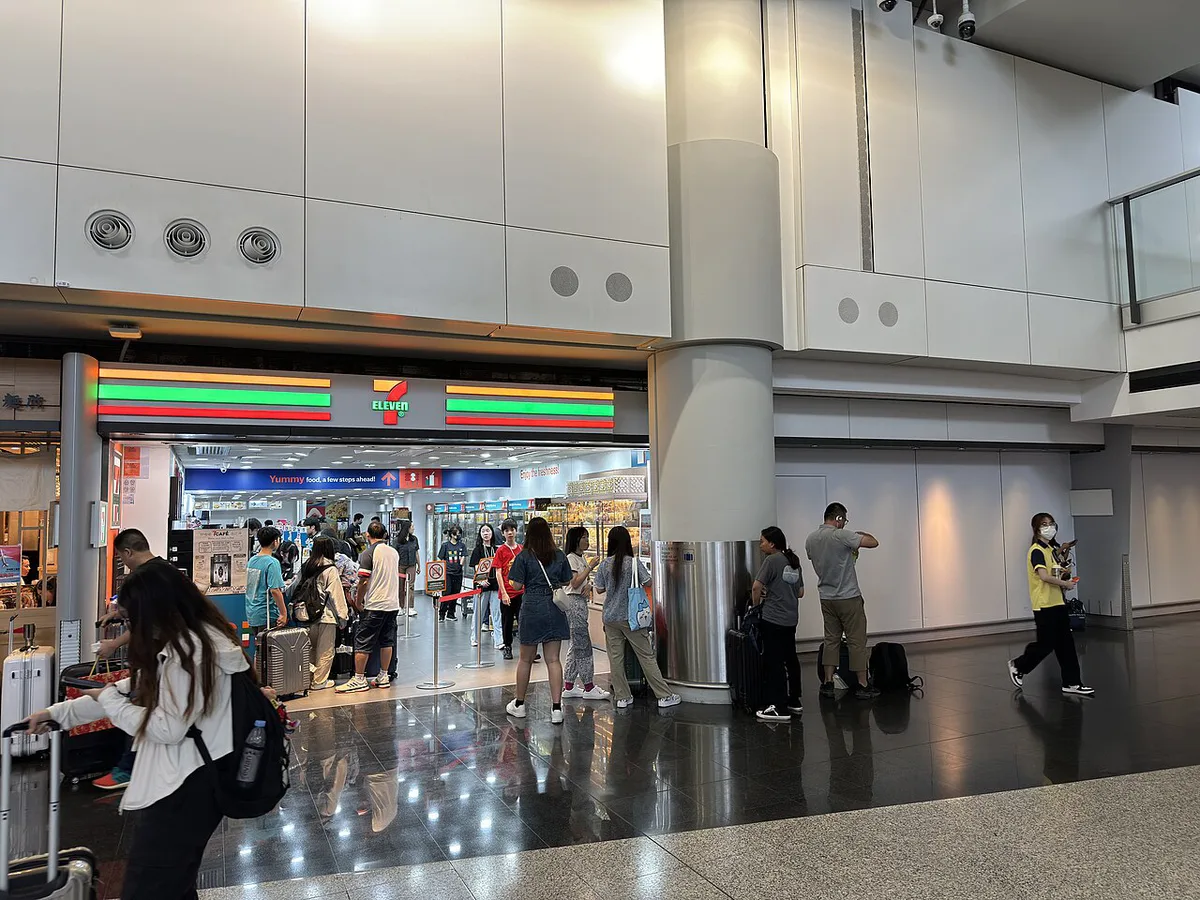
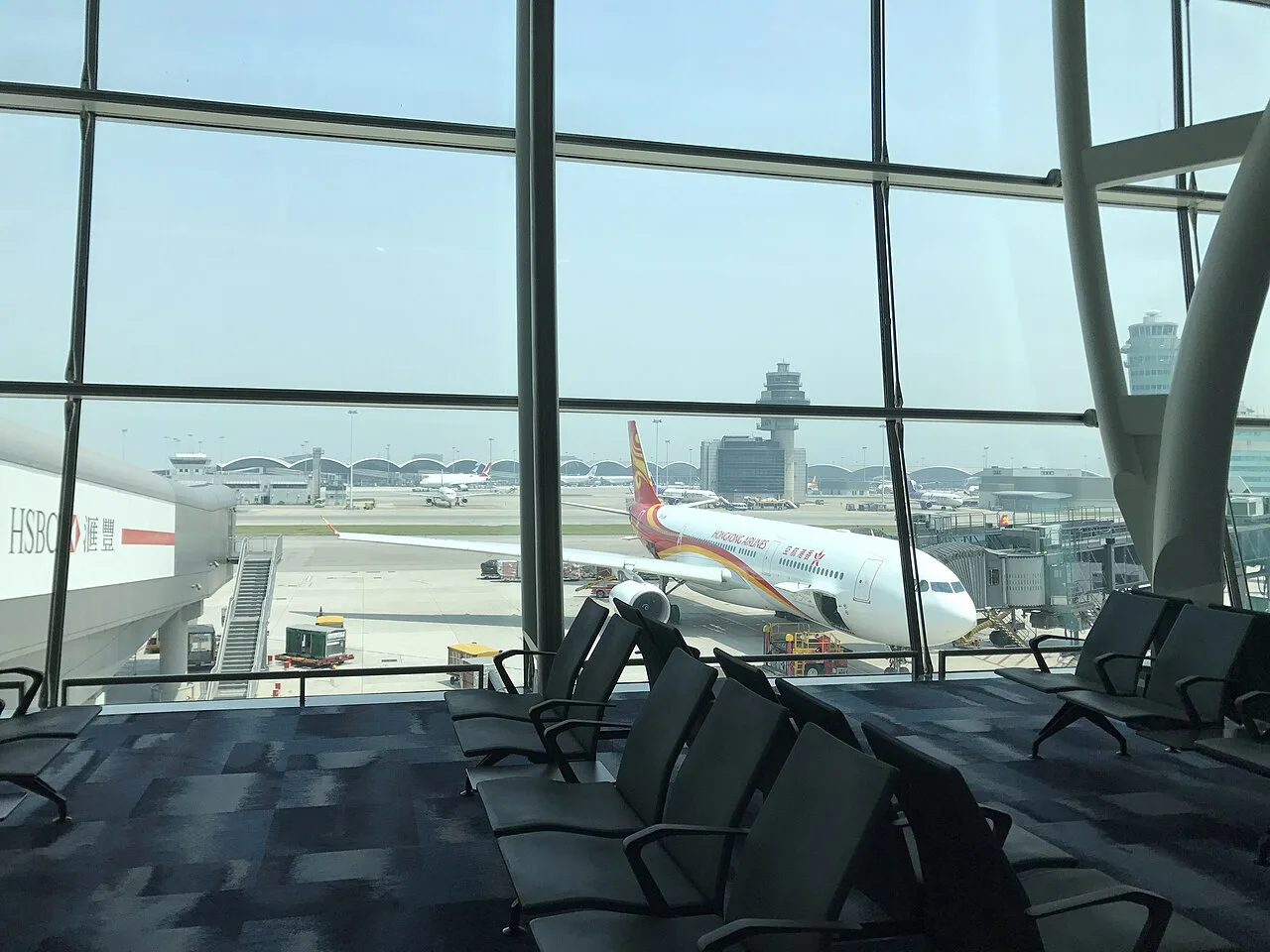
Gates are grouped into areas rather than one long line. Some sit in Terminal 1 and others in the Midfield Concourse. Always confirm your gate on the departures board after security, because assignments can change late. Do not assume the walk is short. Far gate areas can take real effort on foot, and the Automated People Mover adds a ride and a wait. Leave extra buffer before boarding closes, especially with children or reduced mobility. Wheelchair users and others who need help should look at the assistance and accessibility pages on the official airport site before travel. Ask staff for step-free routes if the signs are unclear. Gate counts and numbering change over time, so use the official map for the current picture.
Connecting Flights: Transfer Routes and Minimum Planning Buffer
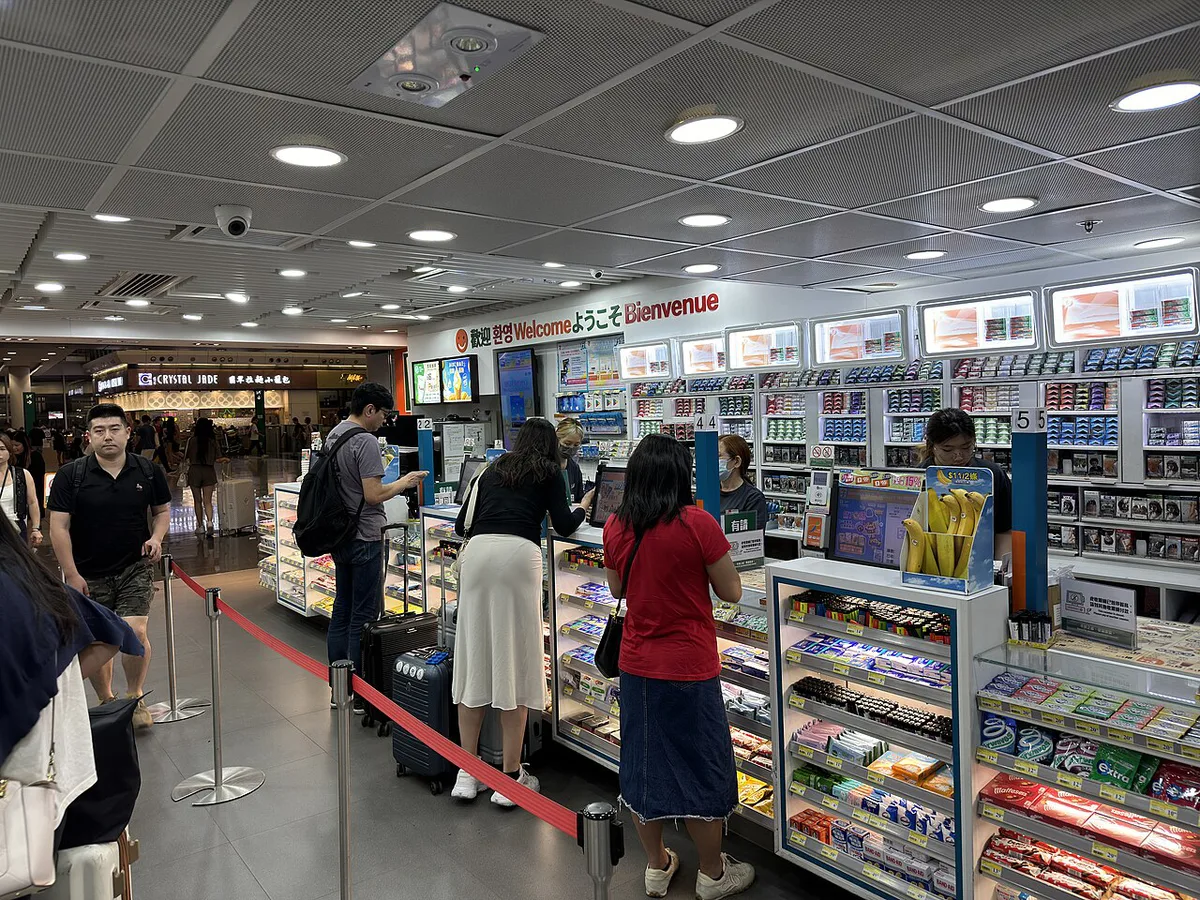
If you are connecting, the first question is whether you must re-check bags. Through-checked luggage stays airside and follows you to the next flight. Separate tickets usually mean collecting bags, clearing immigration and checking in again. Our layover planning guide covers the longer stopovers in detail. The table below compares three common scenarios in qualitative terms, because actual minutes depend on your gates and the day.
| Scenario | Time needed | Effort | Bags re-checked? | Immigration? |
|---|---|---|---|---|
| Same-terminal connection, one ticket | Low | Low | No, if through-checked | No, stay airside |
| Connection with re-check, separate tickets | Medium to high | Medium | Yes | Yes, you enter Hong Kong and leave again |
| Layover with city excursion | High | High | Often stored landside | Yes, plus security on return |
- Short one-ticket connection: stay airside and follow transfer signs.
- Separate tickets: allow a generous buffer and plan to re-clear checks.
- Long layover: consider a nap or a city trip, using the options below.
Facilities on the Map: Lounges, Food, Wi-Fi, Luggage, Sleep Spots
Use the table to decide where to look. Airside means beyond security and immigration. Landside means the public side.
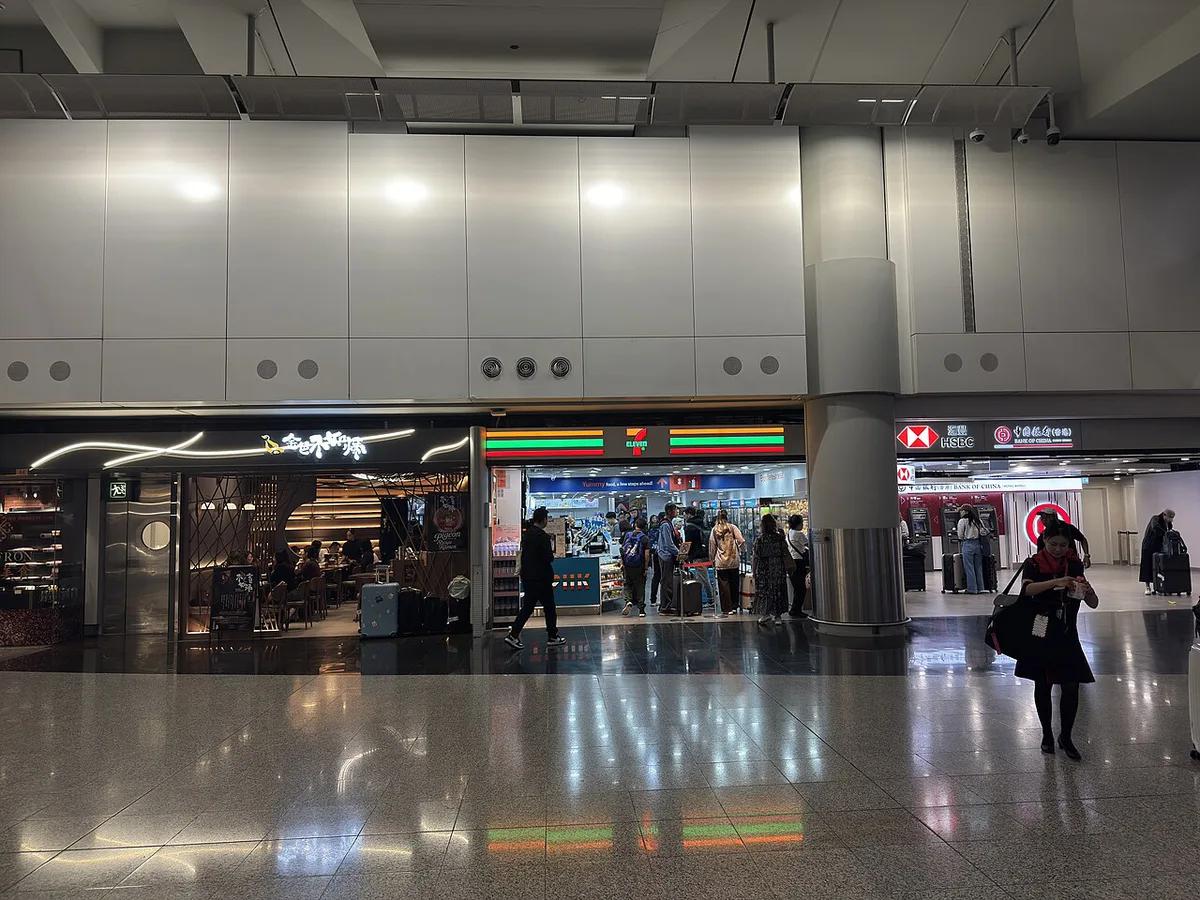
| I need… | Where on the map | Read next |
|---|---|---|
| A gate | Airside, after security | Departures board and app |
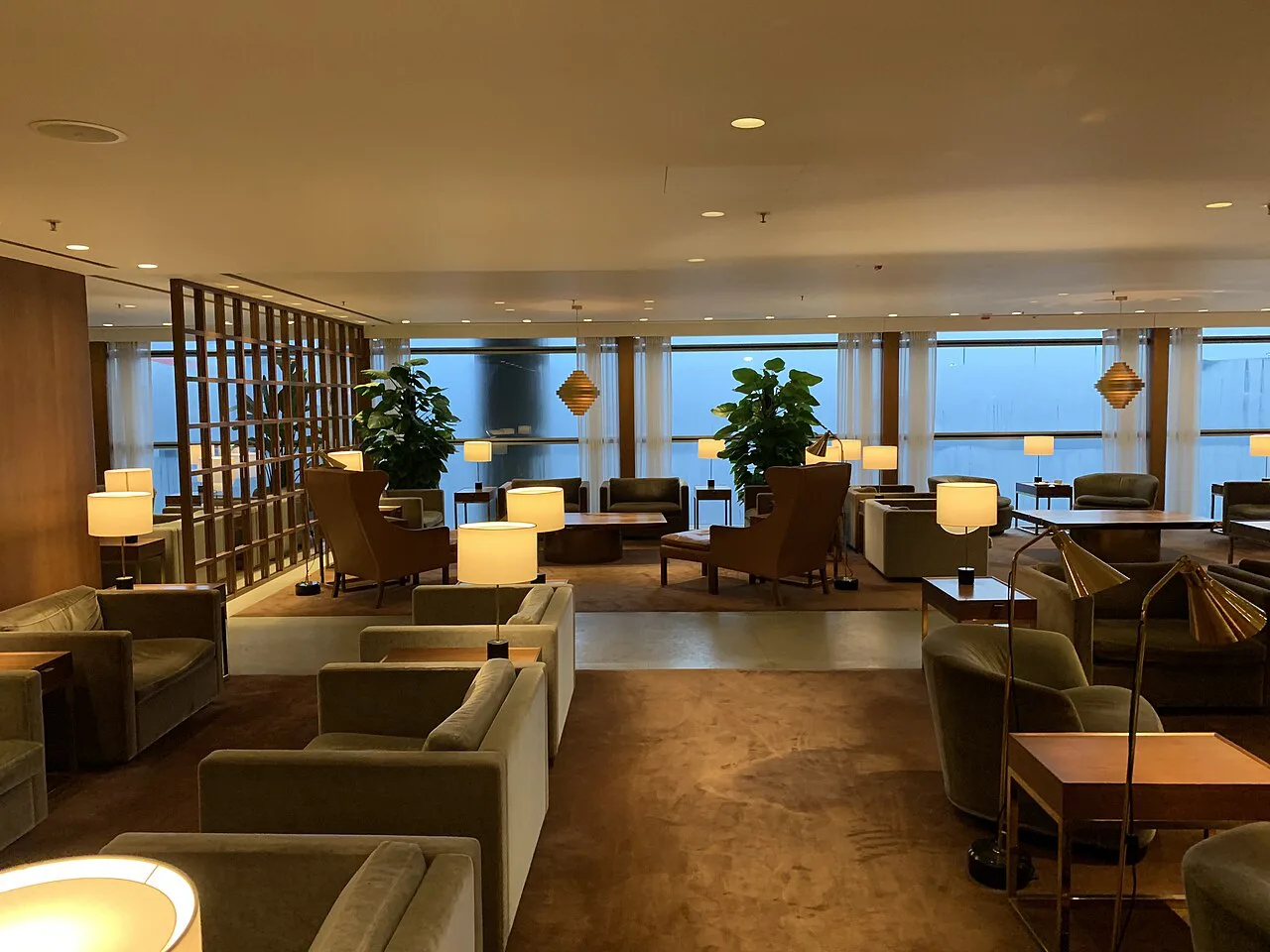
| A lounge | Airside | Airport lounge options |
| Food | Both sides | Airport food guide |
| Luggage storage | Landside | Left-luggage options |
| A place to sleep | Mostly airside | Sleeping in the airport |
| Wi-Fi or a SIM card | Both sides | Wi-Fi and SIM cards |
| Duty free | Airside | Duty free shopping |
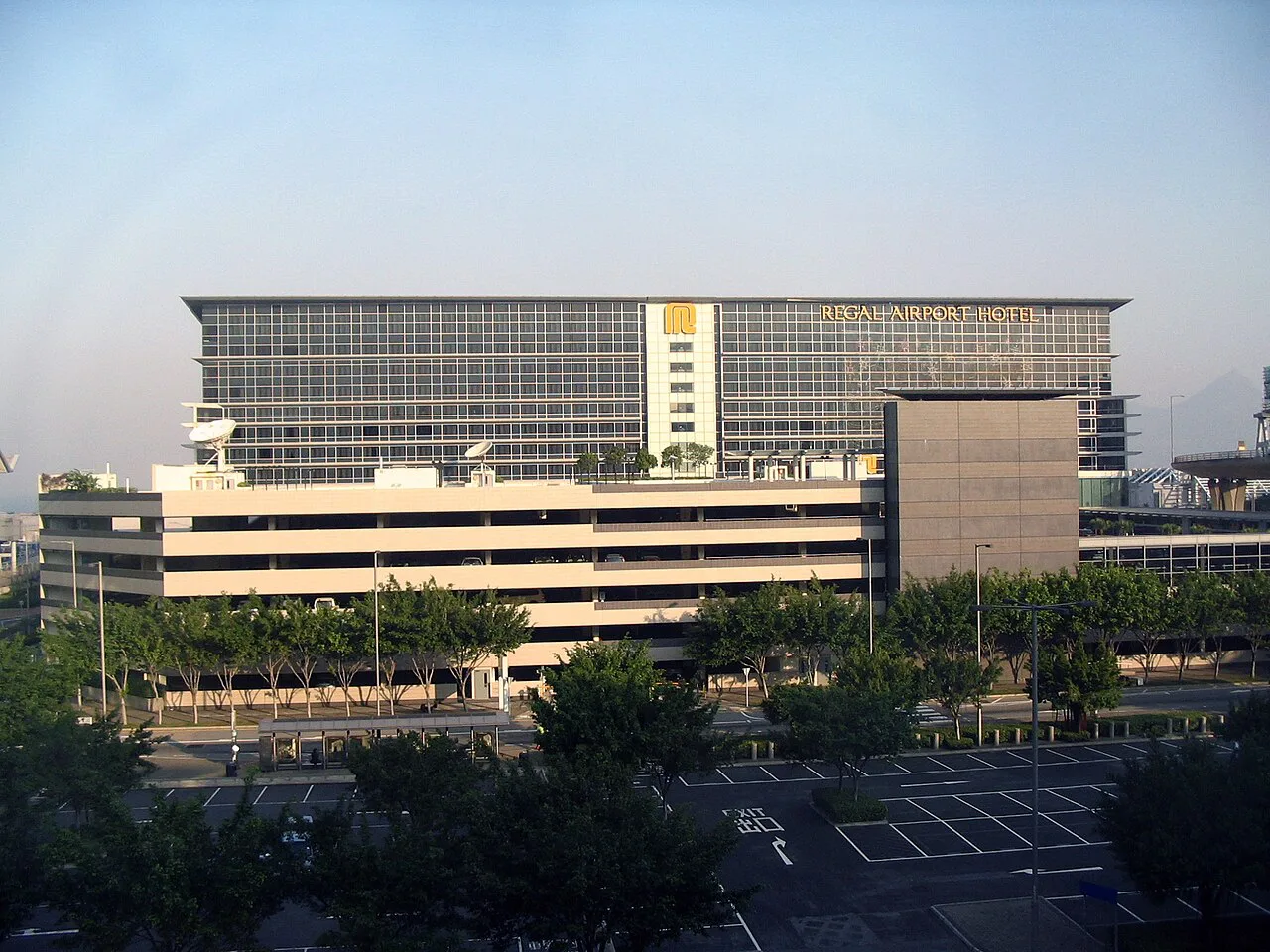
| A hotel | Landside | Airport hotels |
| City transport | Landside, arrivals level | See the next section |
- For a short wait, see things to do in the terminal.
- For a rest between flights, read about transit hotel stays.
Leaving the Airport: Transport Links on the Map
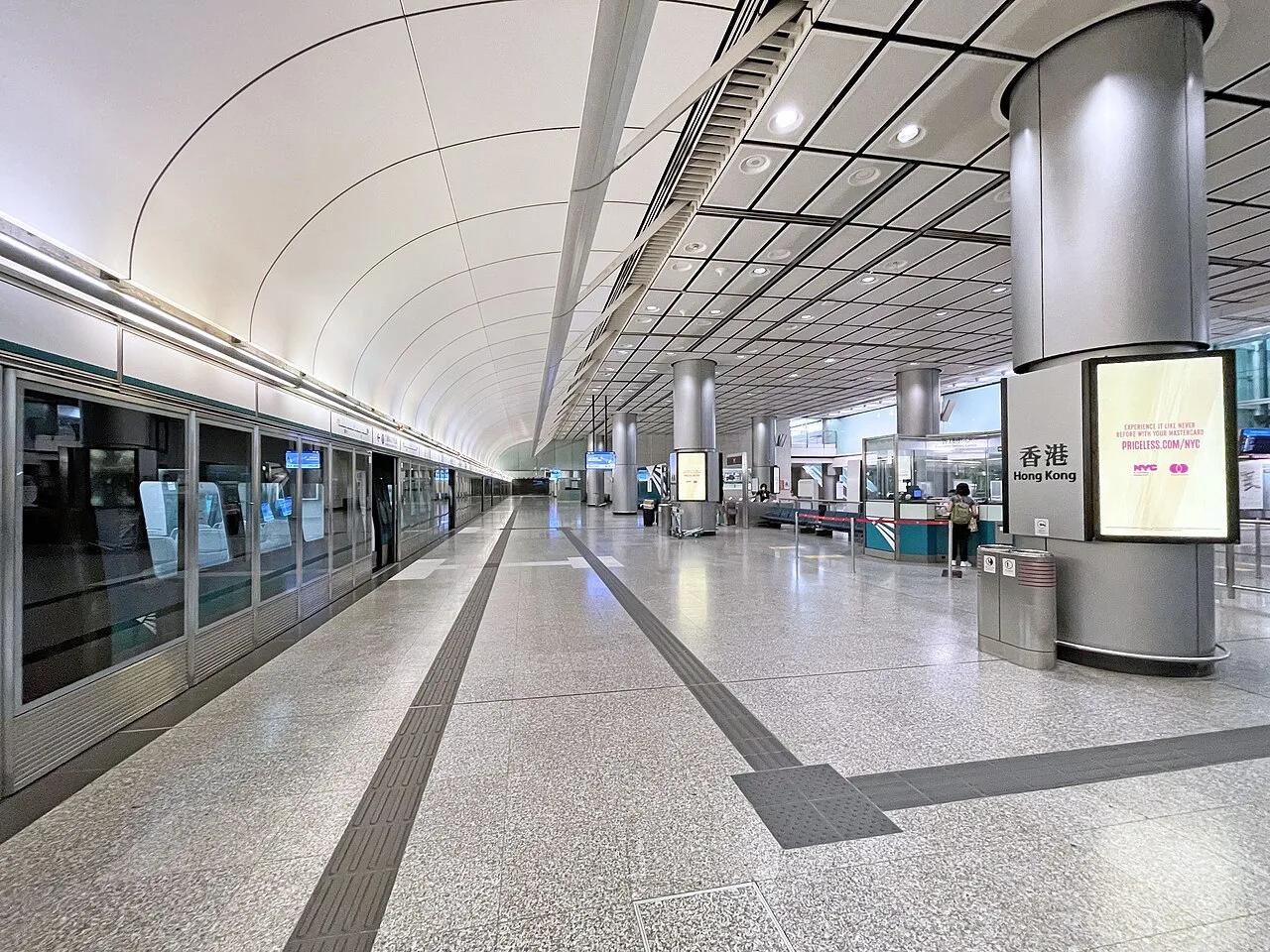
Ground transport sits landside, reached from the arrivals level after immigration and baggage reclaim. The MTR Airport Express is the rail link into the city, and our Airport Express guide covers it. For all options side by side, see getting to the city centre. Taxis queue outside arrivals, and our taxi page explains how they work. Follow the ground-transport signs, as they are the quickest way to find each stop. Once you leave the secure area, remember that a return trip means immigration and security again.
Arrivals on Level 5 is where ground transport starts, so you reach the MTR Airport Express and taxis only after immigration and baggage reclaim.
Mistakes to Avoid and FAQ
Most map problems come from a short list of habits. Fix these before you walk to your gate.
- Relying on an outdated third-party or social-media map.
- Assuming the walk to your gate is short.
- Mixing up airside and landside facilities.
- Walking off without checking the gate on the departures board.
- Heading to Terminal 2 for a flight, when it is check-in only.
Frequently Asked Questions
How many gates are in Hong Kong Airport?
Gate counts change as the airport adds or reworks areas. The current number and layout are on the official terminal map at hongkongairport.com. Use your boarding pass and the departures board for your own gate.
How long is it from Hong Kong Airport to city centre?
Journey time depends on the mode you choose and on traffic. Our city centre transfer guide compares the options.
Notes for your next connection
Optional updates when our airport guides change.
You might also like
Continue reading
More guides you'll find useful