Hong Kong Airport Food: Eat Before or After Security
Where to eat at Hong Kong airport, before and after security. Local food picks, timing tips, cost trade-offs and mistakes to avoid on travel day.
On this page
Last updated November 2026: Hong Kong airport food sits on two sides of security, with landside outlets before screening and airside outlets after it. Eat landside for the widest choice, and clear security first when boarding is close. Terminal 1 mixes cart noodles, wonton noodles, congee and dim sum with international chains, so a local meal is possible on either side.
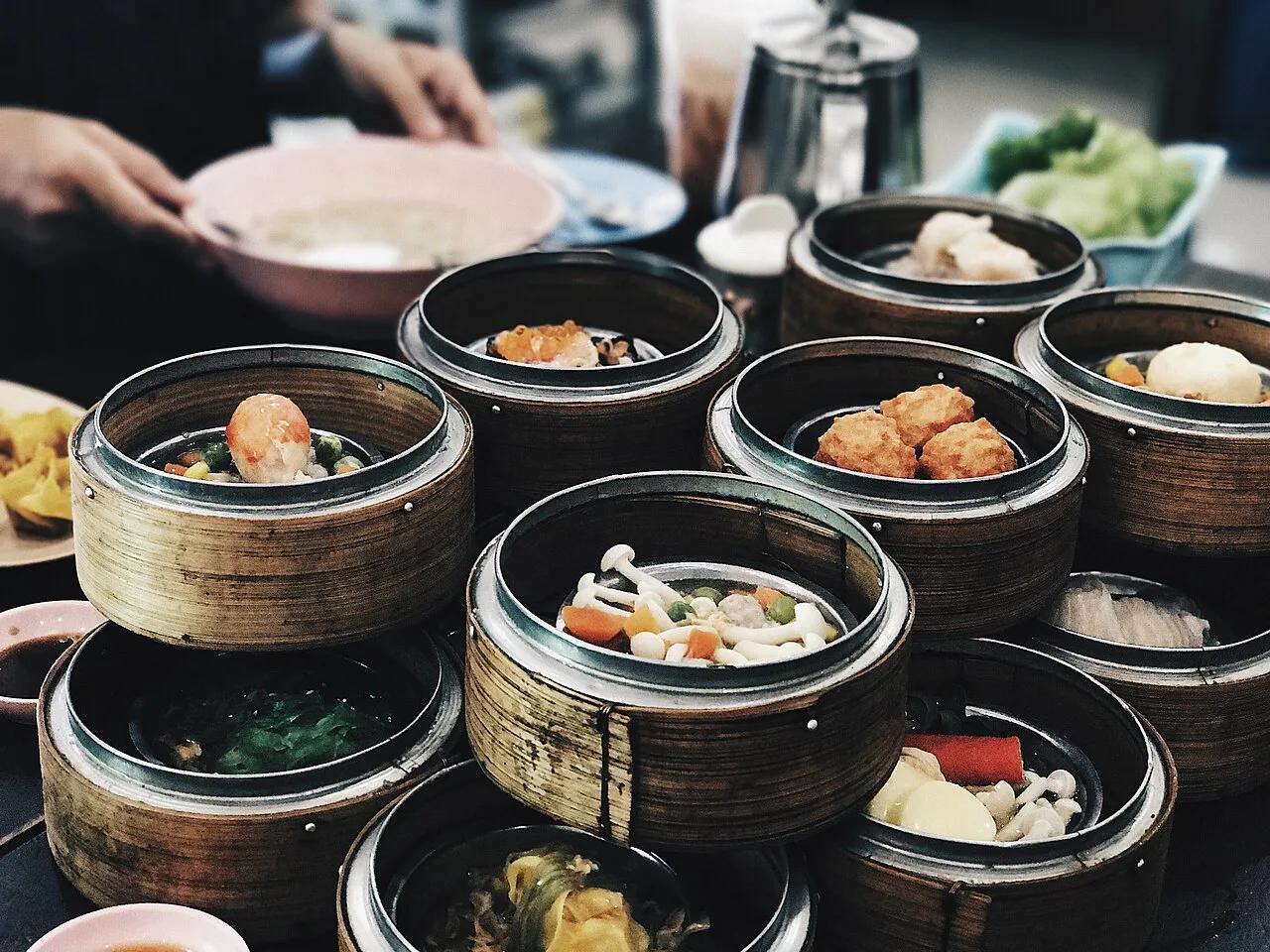
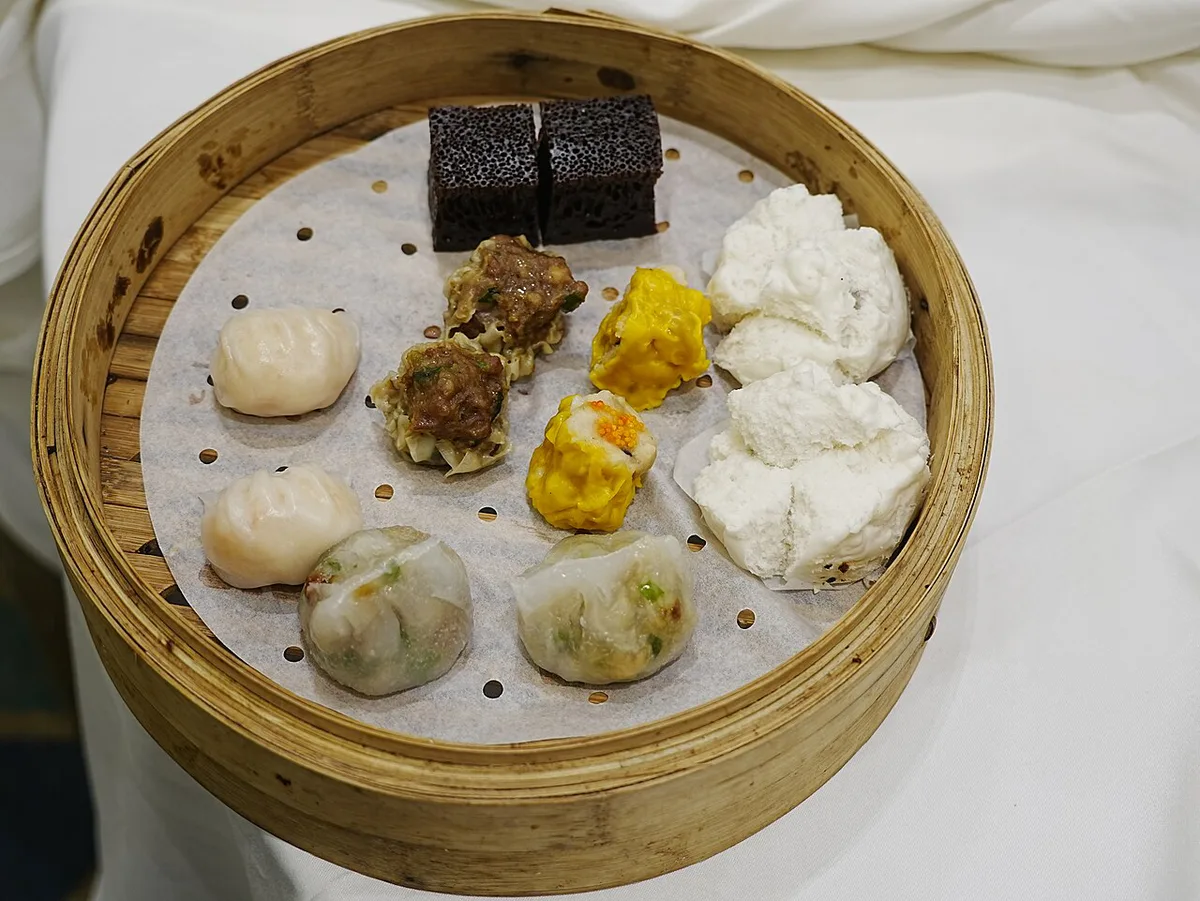
Featured image: afterdog, CC0, via Wikimedia Commons.
Where to eat: before or after security
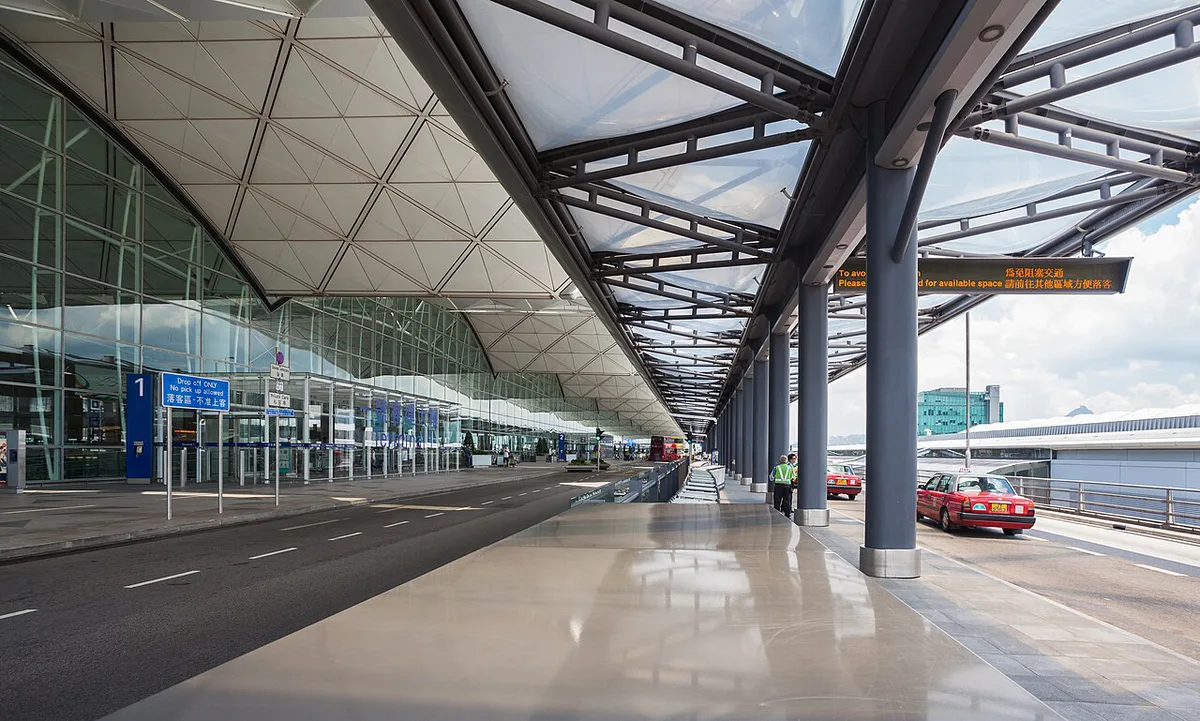
Landside means the public area before security and immigration. Airside, also called the restricted area, is everything after them. Your choice depends on which side you are on, how long you have and whether you can come back out. Our 6 Hong Kong Airport Guides for Transfers & Layovers covers the wider layout. Dining spreads across the arrivals hall, the departures level and the airside concourses of Terminal 1. For levels and walking routes, open the terminal map before you pick a spot.
| Where you are | What you will find | Best when | Trade-off |
|---|---|---|---|
| Landside, departures level | Cafes, quick Hong Kong-style counters and chains | You are early and want the most choice | Eating here uses time you may need for queues at screening |
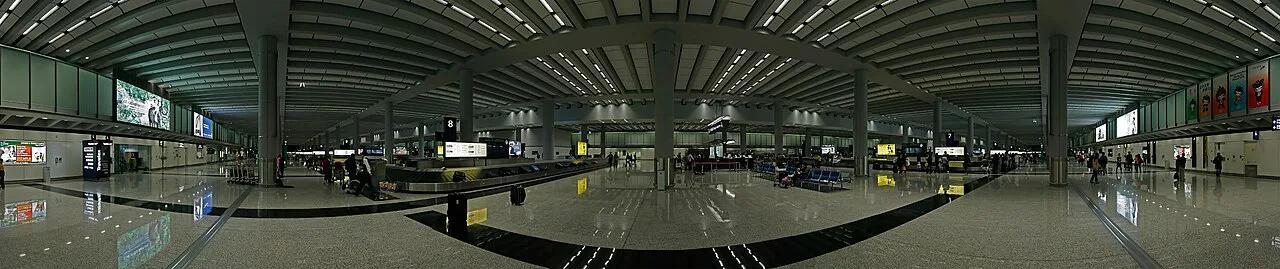
| Landside, arrivals hall | Noodle shops, bakeries and fast food | You have just landed or are meeting someone | Fewer sit-down options than a city meal |
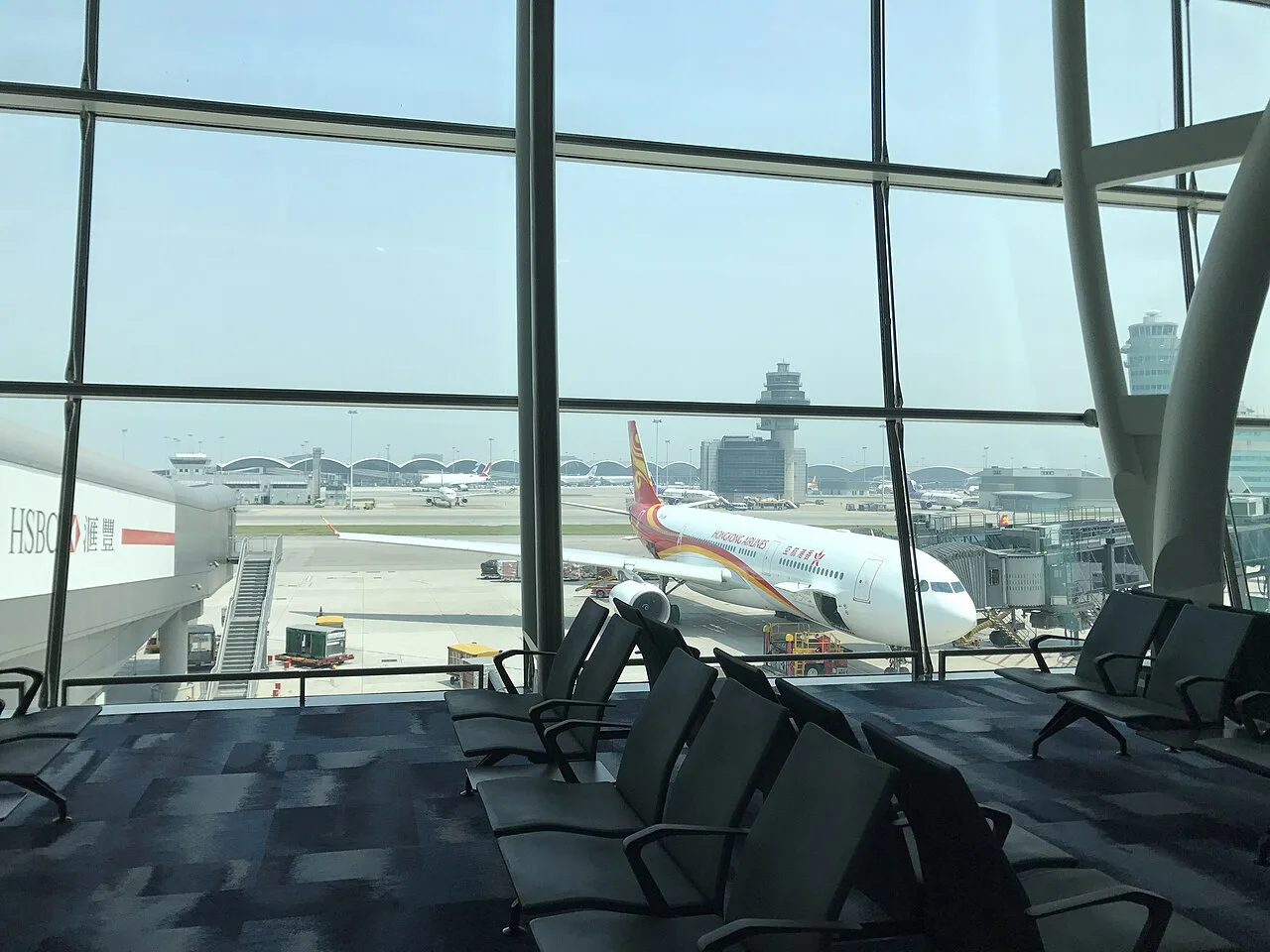
| Airside, before your gate | Sit-down restaurants, coffee and takeaway counters | Security is done and boarding is not yet called | Choice depends on your gate area, and hours vary by outlet |
| Transit, airside only | Same airside outlets | You are connecting and staying in the restricted area | Leaving to eat means immigration and screening again |
How much time do you have?
Match your meal to your clock, not your appetite. Airport tenants change often, so treat the airport's own Shop & Dine directory as the final word on what is open.
- Under an hour: clear security first. Buy a takeaway bowl or snack near your gate and skip the sit-down meal.
- One to two hours: eat landside only if the screening queue looks short. Otherwise go airside and sit down near your gate.
- Three hours or more: take a proper meal of dim sum, noodles or congee, then walk the concourse. Our list of things to do at the airport fills the gap.
- Overnight: pair a late meal with a rest plan. See the notes below on sleeping and transit hotels.
Local Hong Kong food to order at the airport
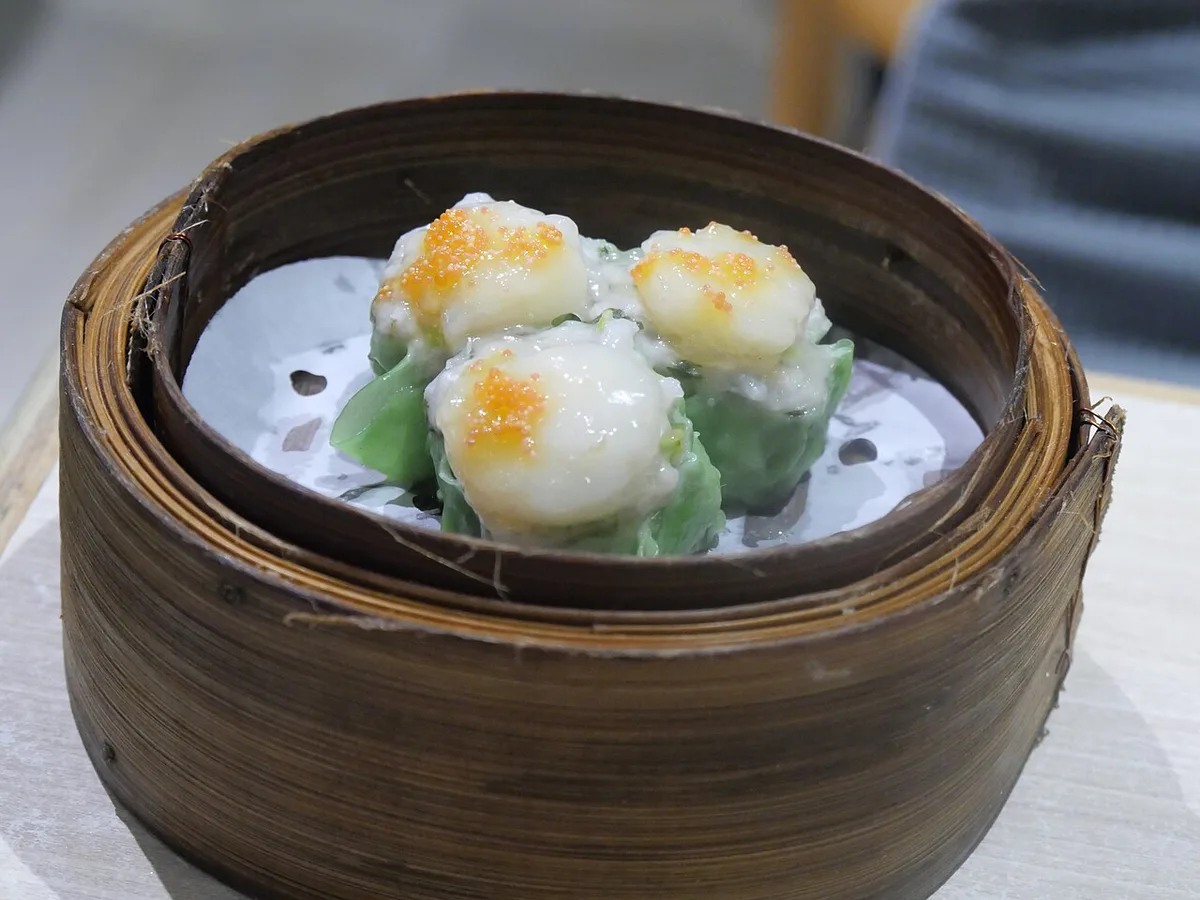
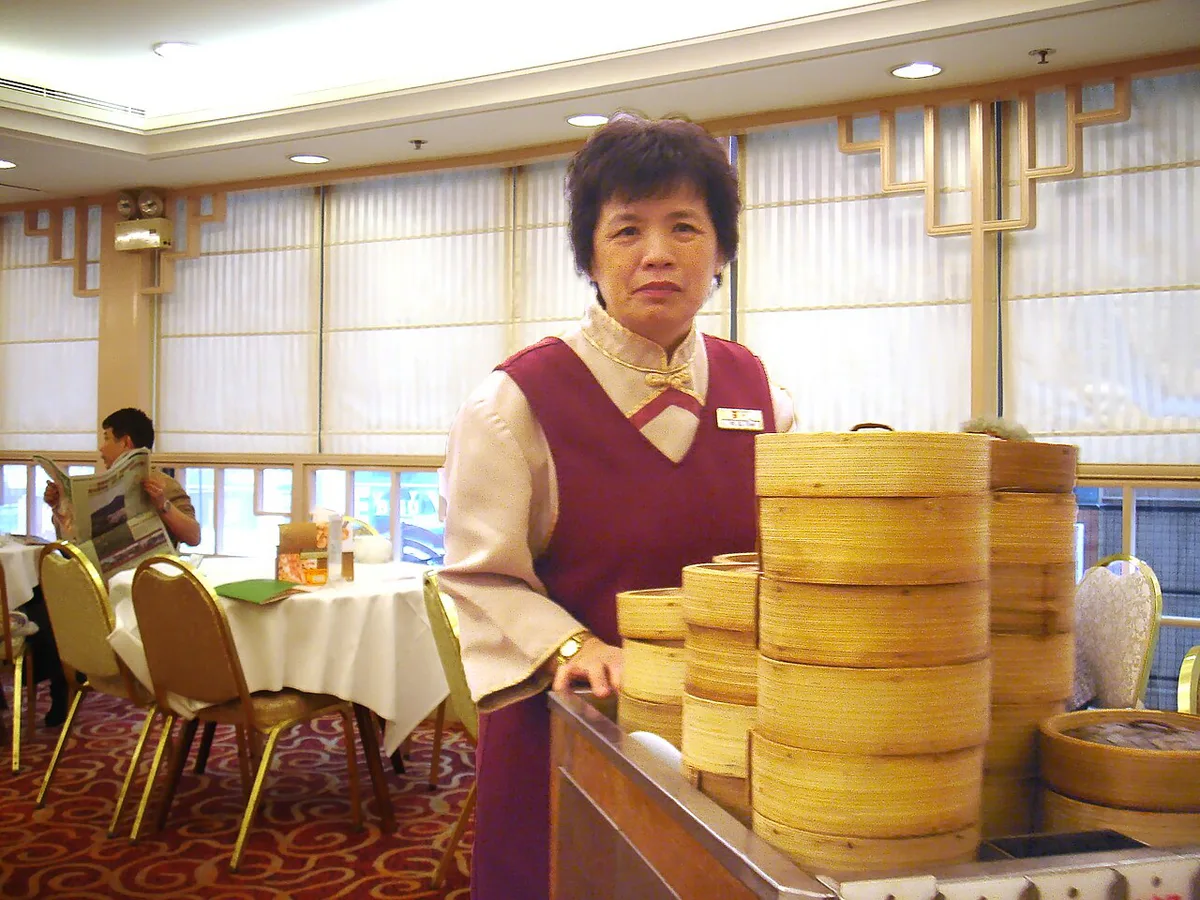
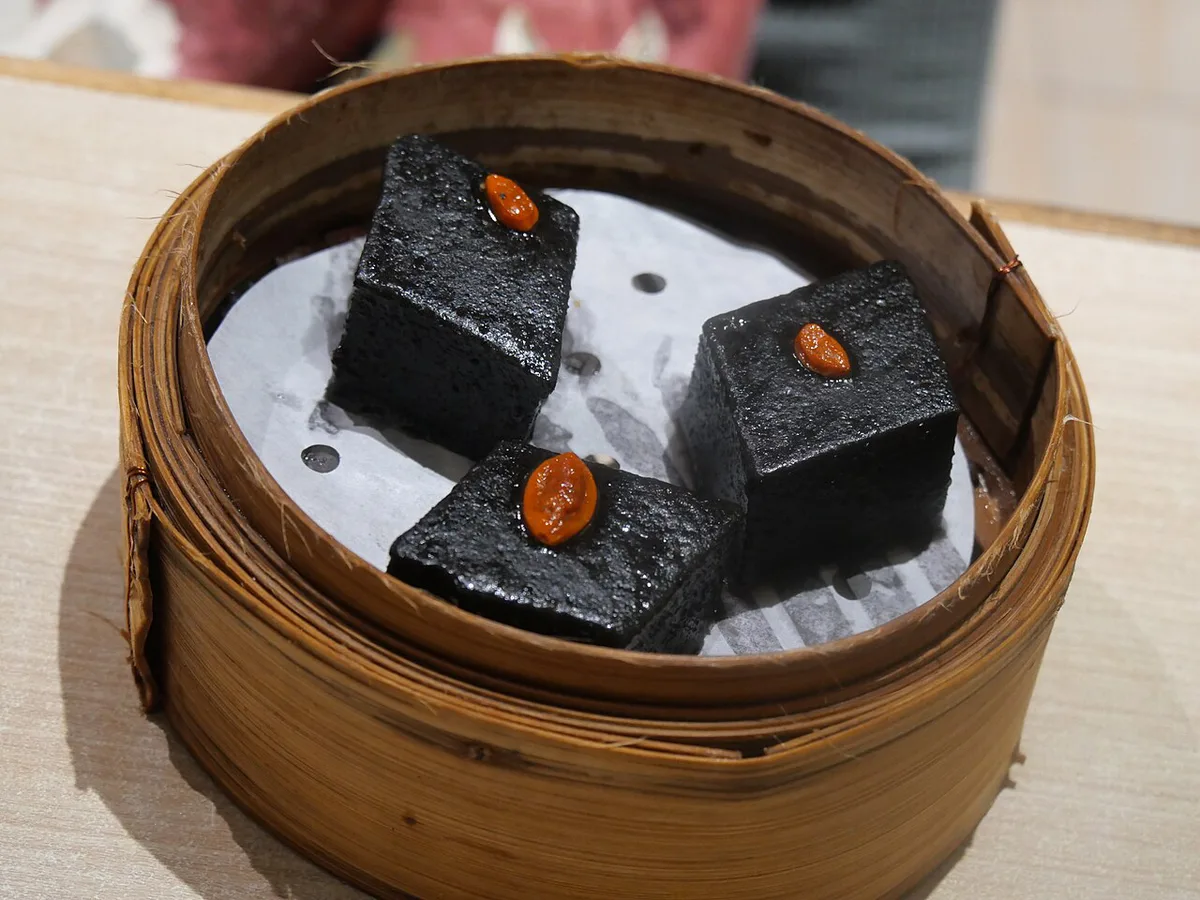
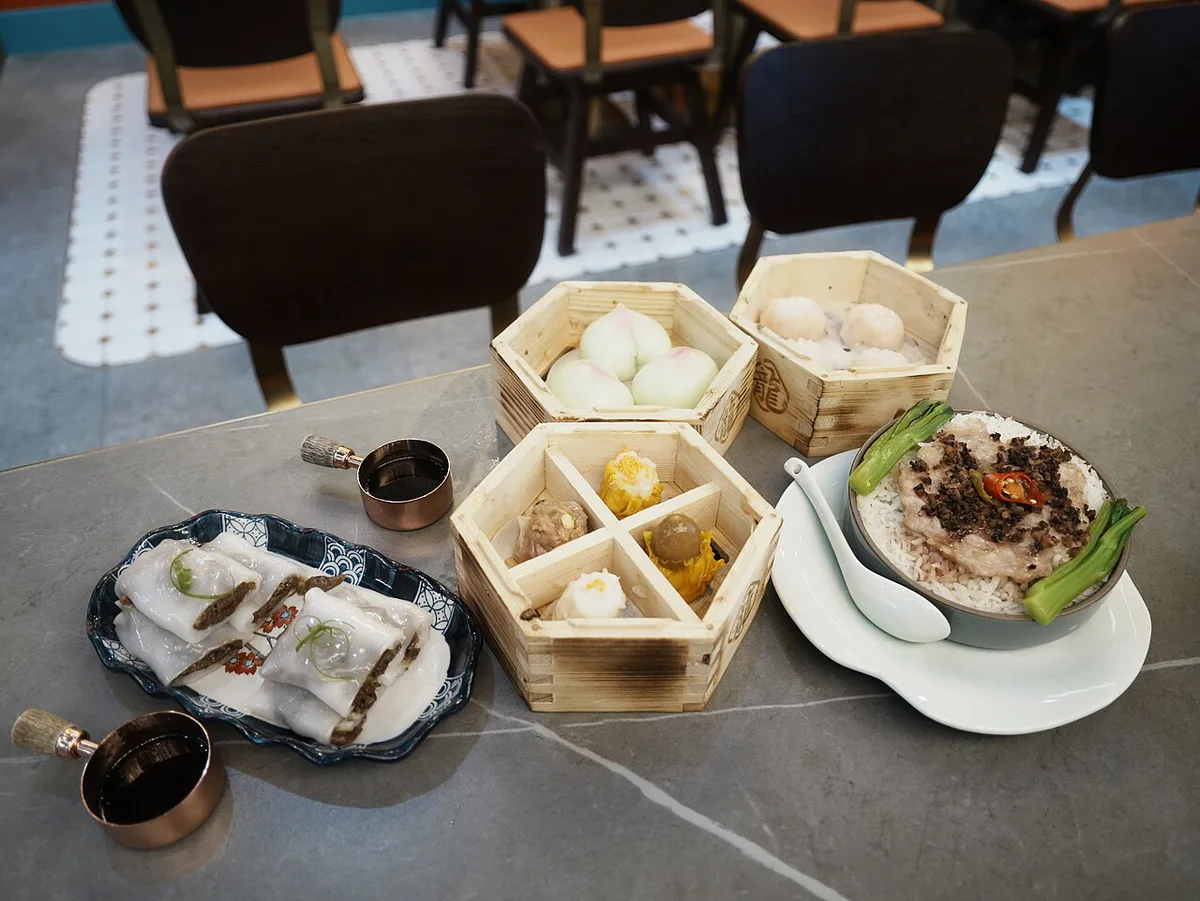
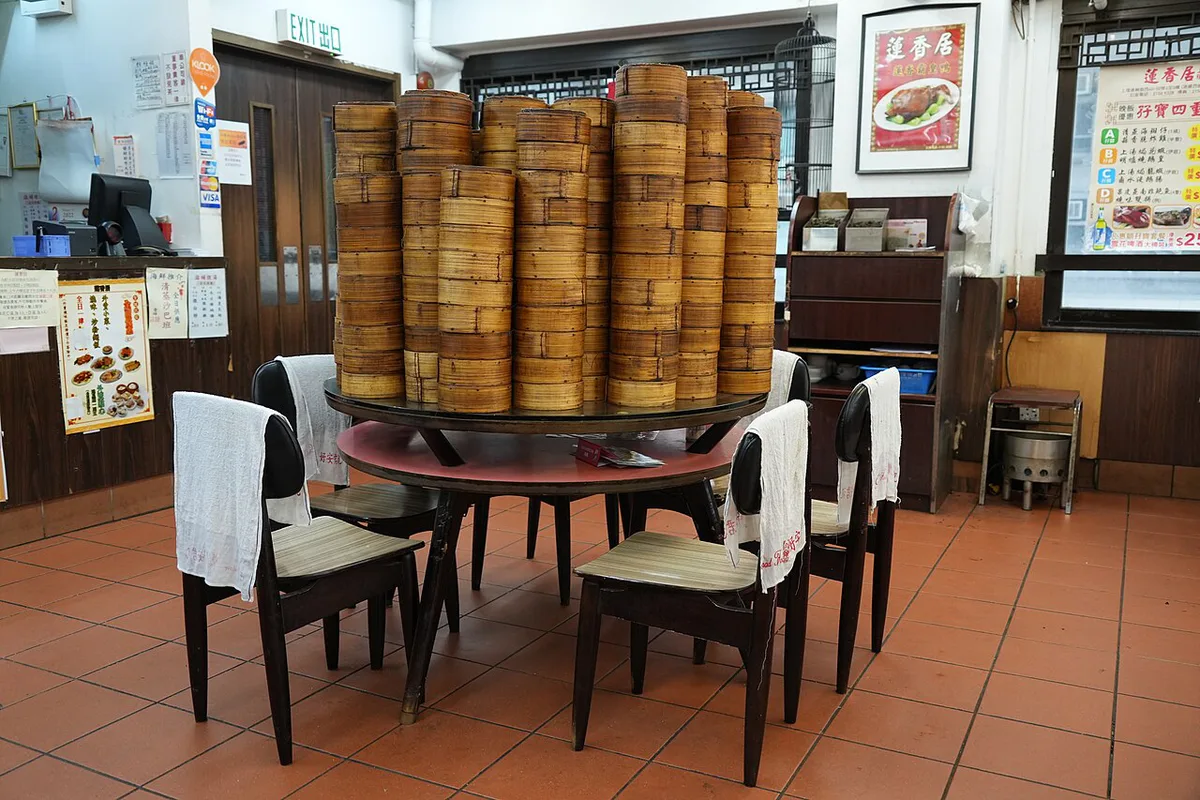
Hong Kong staples are easy to find in Terminal 1, and the Hong Kong Tourism Board's local food guides explain the dishes in more depth. Cart noodles come in a bowl you build from noodle type, broth and toppings. They are quick to order and quick to eat. Wonton noodles pair thin noodles with shrimp dumplings in a clear broth, and they also arrive fast. Congee is a smooth rice porridge, often with fish or pork, and it suits an early flight or a sensitive stomach. Dim sum is best for a longer sit-down, because baskets arrive in waves. Roast meats such as char siu come over rice and make a filling single dish. Milk tea, the strong, sweet tea served in cha chaan teng diners, works well as a takeaway cup. Each style appears in the airport directory under Chinese or Hong Kong-style cuisine.
Notable places to eat, by area
Individual tenants, gate numbers and levels shift from season to season. A better habit is to search by area. Landside, look at the arrivals hall for noodle shops and bakeries. On the departures level, look for coffee and quick counters. Airside, look near the main gate clusters for sit-down restaurants, tea houses and casual noodle bars. A few well-known names appear in travel write-ups, including a cart-noodle shop and a tea house serving dim sum. Search the directory for each one before you walk across the terminal for it. Outlets near your own gate save the most time.
Costs and opening hours: what to expect
Airport meals carry a premium over the same dish in a neighborhood diner. Grab-and-go counters sit at the low end, sit-down restaurants in the middle and branded tea houses and cafes at the top. Opening hours differ by outlet. Many open early and close late, but few run all night. The airport's official site lists current hours and locations, and prices there are the ones that count. For a cheaper meal, eat in the city. The Airport Express runs to the city, and a longer stopover pairs well with our layover guide. A paid lounge is worth weighing against a restaurant bill. Our lounge guide compares the options.
Dietary needs, early mornings and late nights
Vegetarian, halal and allergy-friendly meals are available at some outlets, but not at every counter. Ask staff about ingredients before you order, particularly for broths and dumplings. Early flights are easier, since congee, coffee and bakery counters tend to open first. Late arrivals are harder, because many restaurants close well before midnight. If you are stuck overnight, read our tips on sleeping in the airport. A transit hotel offers a proper bed, and our airport hotel list covers other stays.
Eating on arrival, or waiting for the city
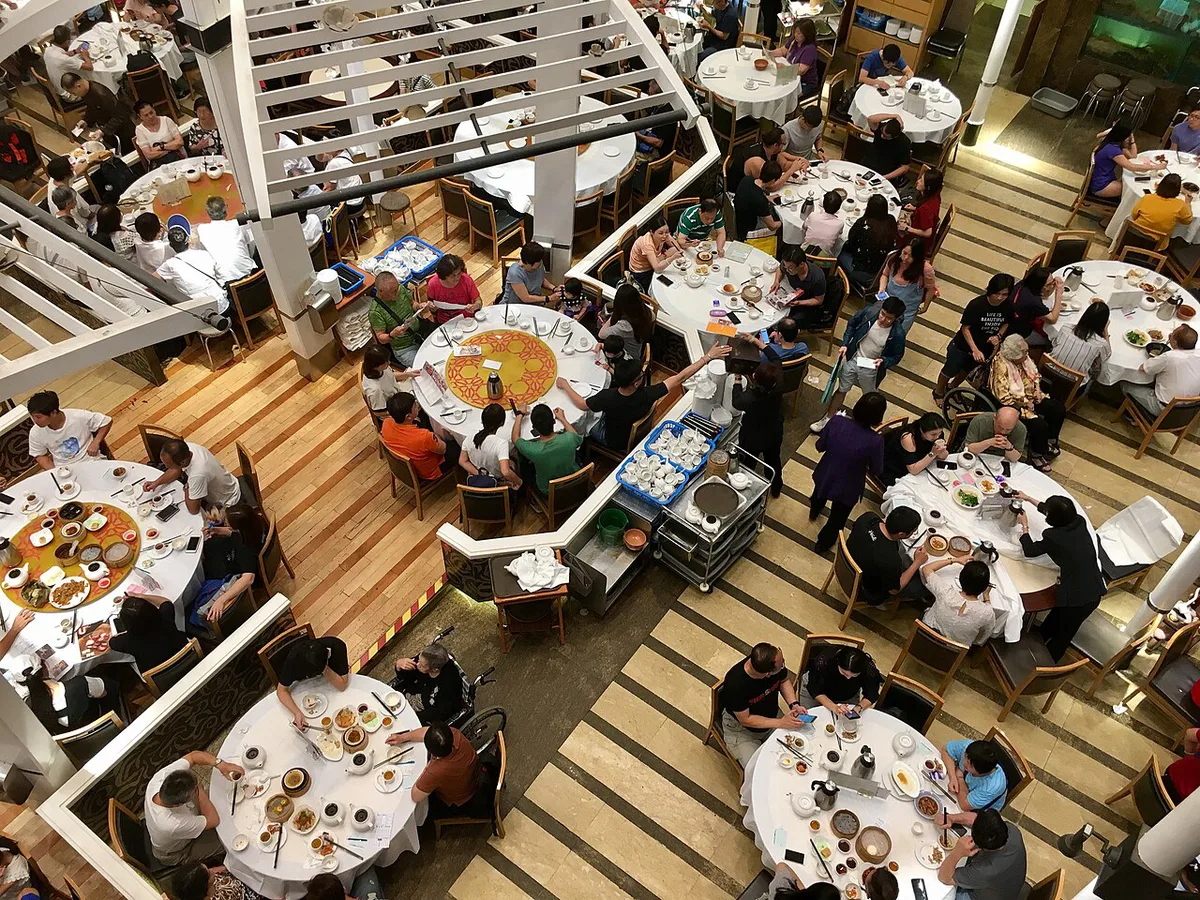
After landing, you can eat in the arrivals hall or save your appetite for the city. Eat at the airport if you are tired, carrying bags or heading to a hotel check-in that is hours away. Wait if you are staying in the city, where the same dishes cost less and the choice is wider. Our guide to getting from the airport to the city center lists the routes. Heading out for a long meal with a connection ahead? Look at luggage storage first, so you are not dragging bags through a restaurant.
Mistakes to avoid when eating at the airport
Most food problems at Hong Kong airport come from timing, not choice. Plan around these common slips.
- Leaving the meal until boarding has started. Gate areas empty quickly, and you may lose your seat in the queue.
- Assuming every outlet is open around the clock. Hours vary, so look up your target in the directory first.
- Carrying liquids through screening. Rules limit them, so read the airport's passenger guidance and empty bottles before the checkpoint.
- Spending your last local cash before you know which outlets take cards or Octopus.
- Skipping data. Offline maps help in a big terminal, and our Wi-Fi and SIM guide explains the options.
Frequently Asked Questions
Is Hong Kong expensive to eat?
Eating in the city can be cheap, especially at diners and noodle shops. Airport outlets usually cost more than the same dish downtown, so the premium is the main reason to eat in the city when you have time.
What to eat at HKG airport?
Look for cart noodles, wonton noodles, congee and dim sum for a local meal. Milk tea works well for a quick cup, and chains cover coffee and sandwiches. Search the airport directory for what is open near your gate.
Notes for your next connection
Optional updates when our airport guides change.
You might also like
Continue reading
More guides you'll find useful