Pudong Airport Map: PVG T1, T2, S1 & S2 Explained
Find your way around Shanghai Pudong (PVG): how T1, T2 and the satellite halls connect, what is where, and how to move between them.
On this page
Last updated November 2026. A Pudong airport map shows two main terminals, T1 and T2, with satellite halls S1 and S2 reached airside. Your airline decides which hall you use, so read the ticket or airline app first, then use the official map on the Shanghai Airport Authority site. Our guide explains how to read that map, and it sits inside the wider Shanghai Airport Guide: 5 Decisions for PVG and Hongqiao.
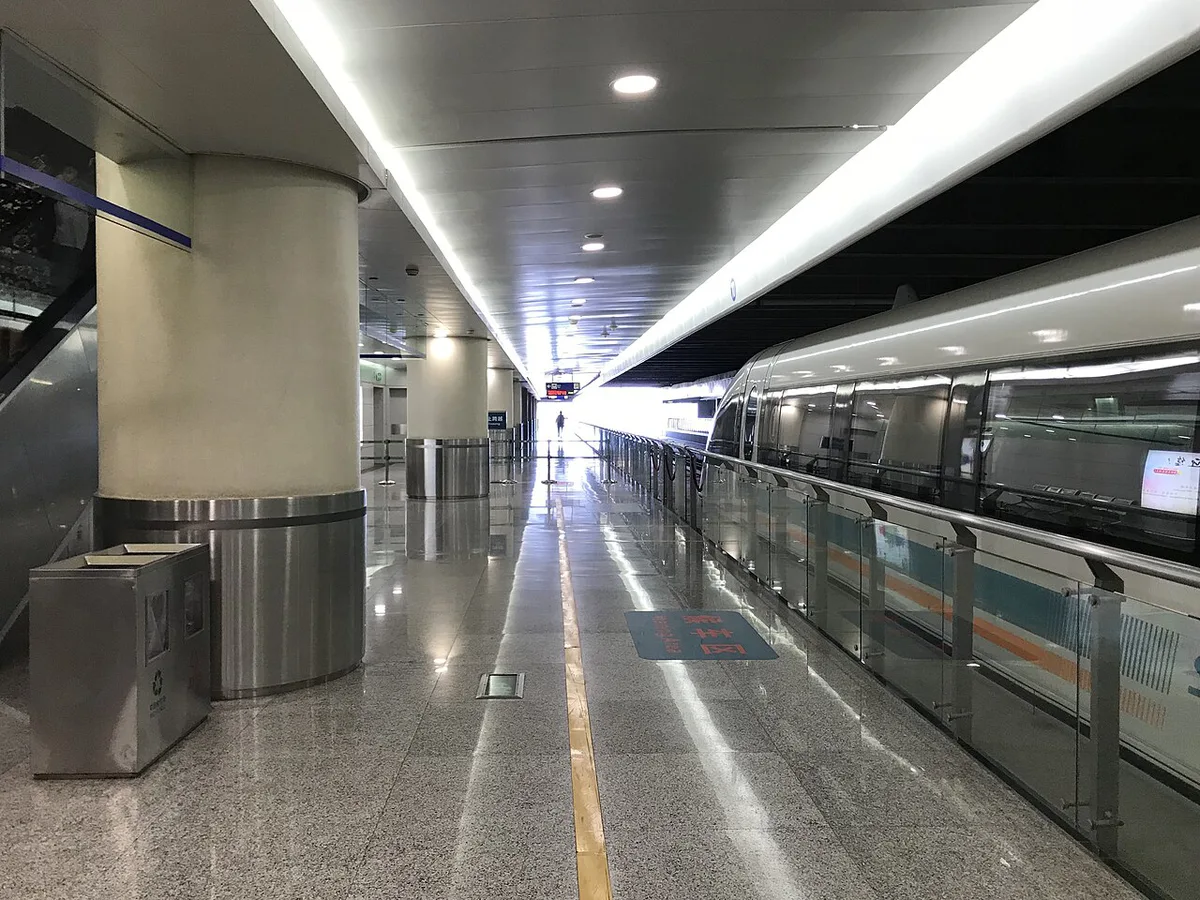
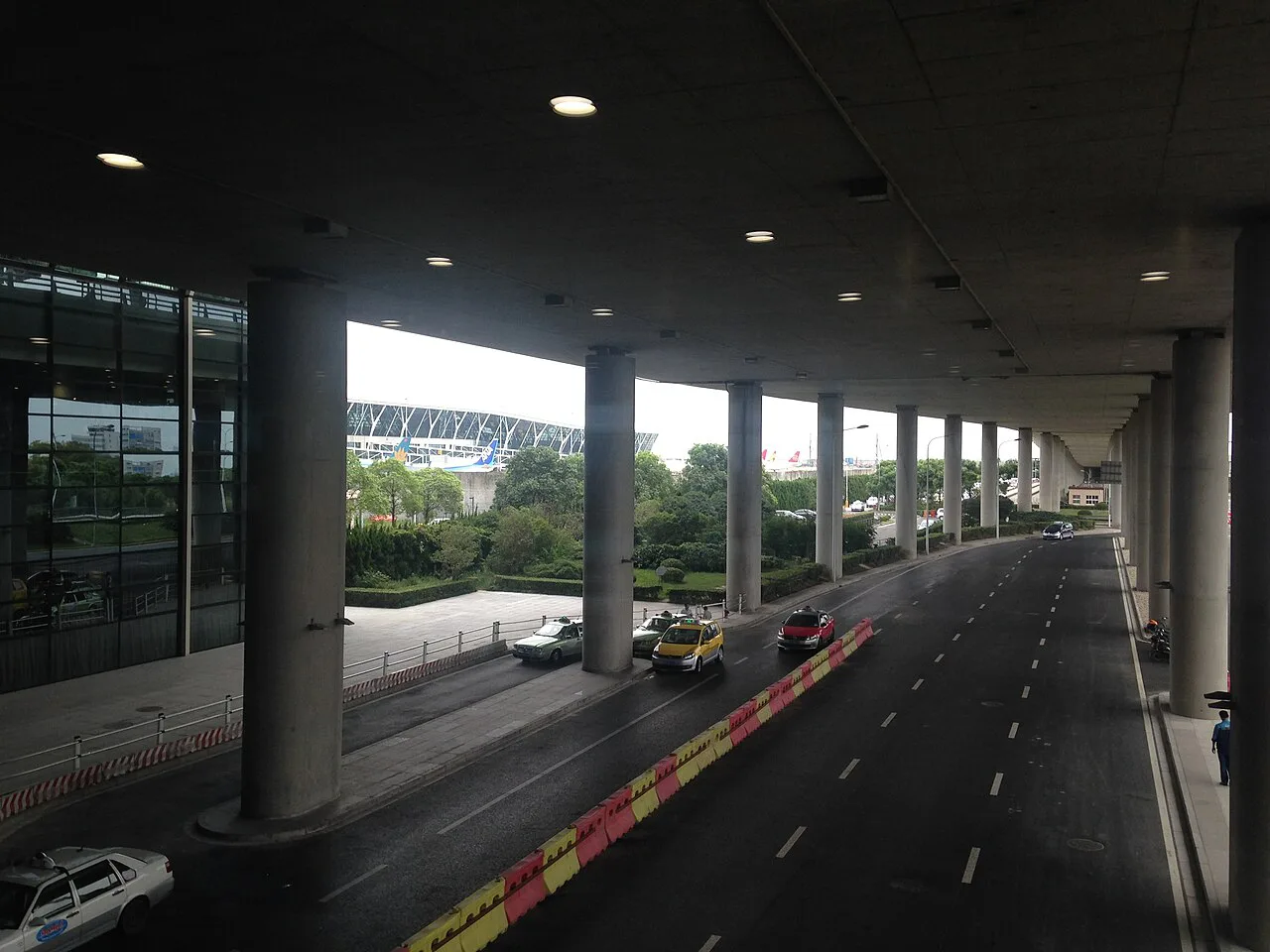
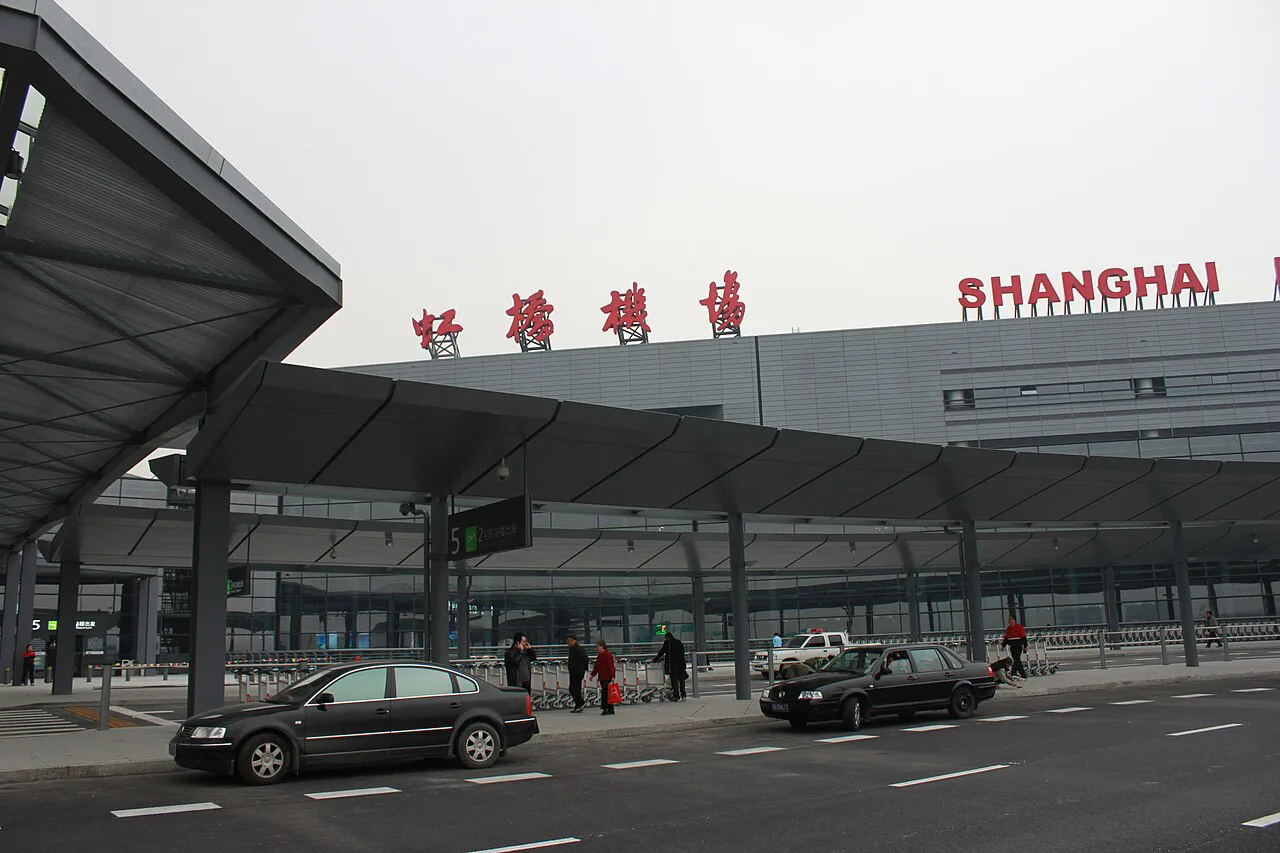
Featured image: Kmchang28, CC BY-SA 4.0, via Wikimedia Commons.
Pudong Airport Map at a Glance: T1, T2, S1 and S2
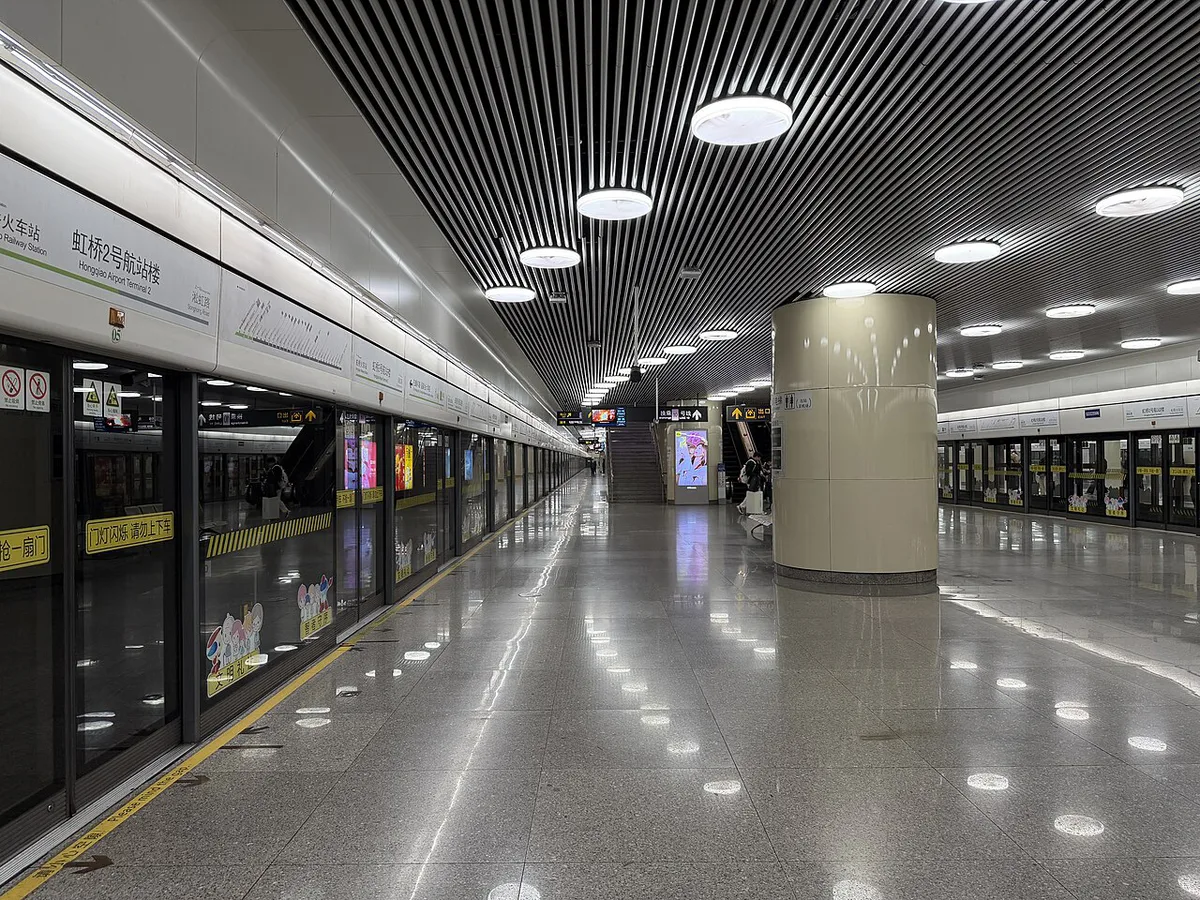
Pudong (PVG) has two landside terminals, T1 and T2. Satellite halls S1 and S2 sit beyond security and serve departing and arriving flights. Think of T1 and T2 as the front doors, where you check in, and of the satellites as the departure and arrival halls. Airlines occasionally move between terminals, so treat the table below as a starting point. Your booking confirmation and the airport flight screens settle it on the day.
| Your situation | Likely terminal or hall | How to confirm |
|---|---|---|
| Domestic China Eastern or Shanghai Airlines flight | T1 side, with S1 for the satellite hall | Ticket, airline app, airport screens |
| International SkyTeam flight | T1 side and S1 are the usual starting point | Airline app or booking confirmation |
| Other international airline | Could be T2 and S2; assignments differ by carrier | Airline's own website |
| Not sure | Start at the airport screens or the information desk | Official terminal map and airline app |
Terminal 1 (T1): Layout and Services
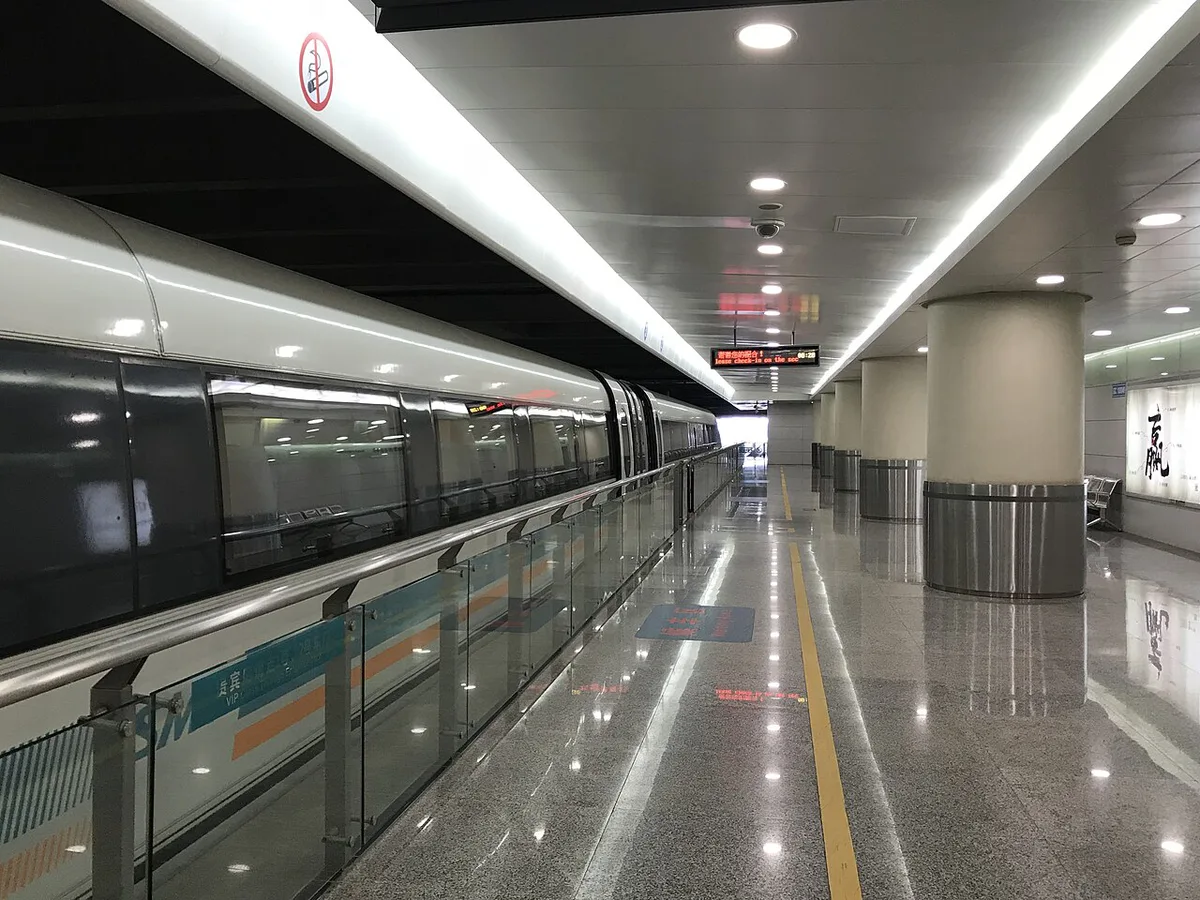
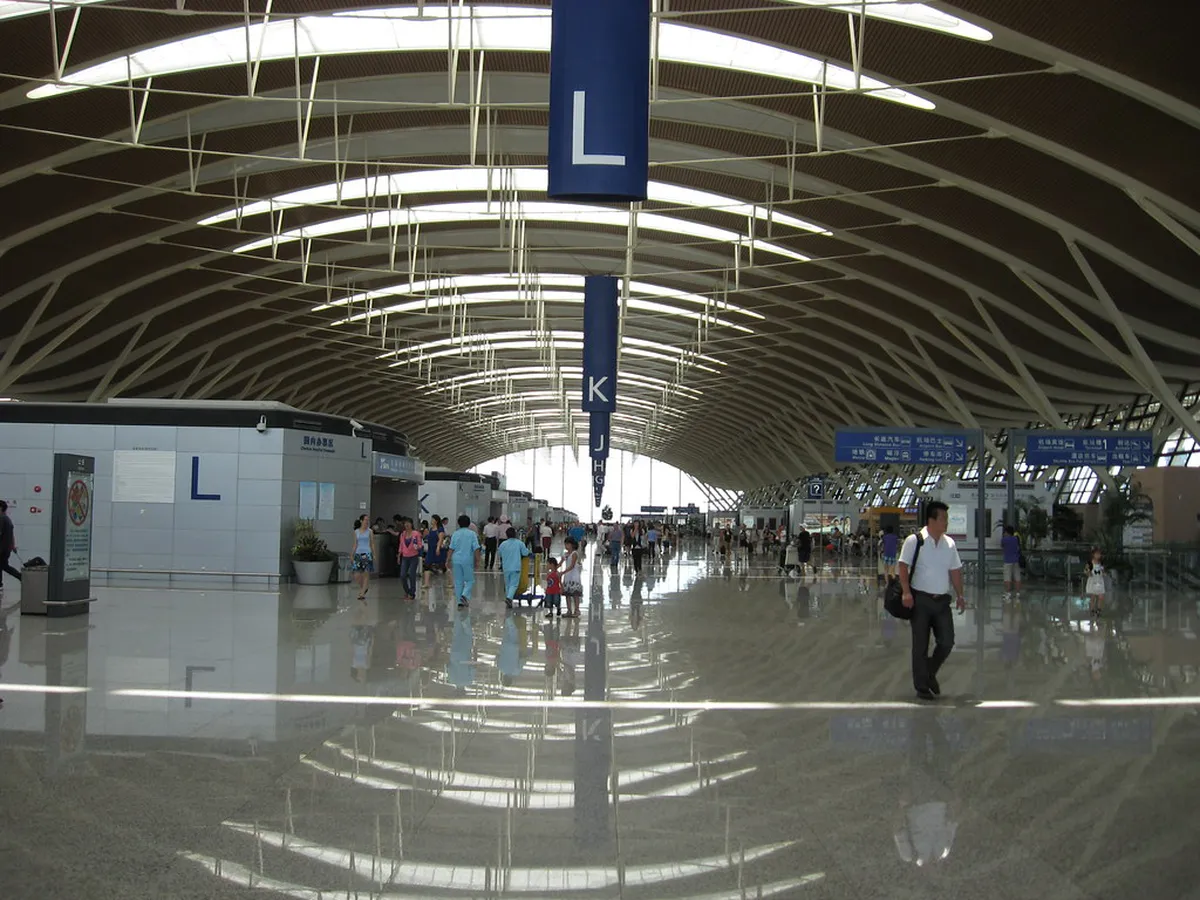
T1 is the main base for China Eastern and Shanghai Airlines. Departures sit on the upper level and arrivals one level below. Check-in is organised in lettered islands, and your airline's island is printed on the booking and shown on the screens. Landside services such as left luggage and an information desk are covered in our luggage storage guide. Floor labels and counter positions are updated now and then, so follow the official map's current legend rather than a screenshot from an older page.
Terminal 2 (T2) and the Satellite Halls (S1, S2)
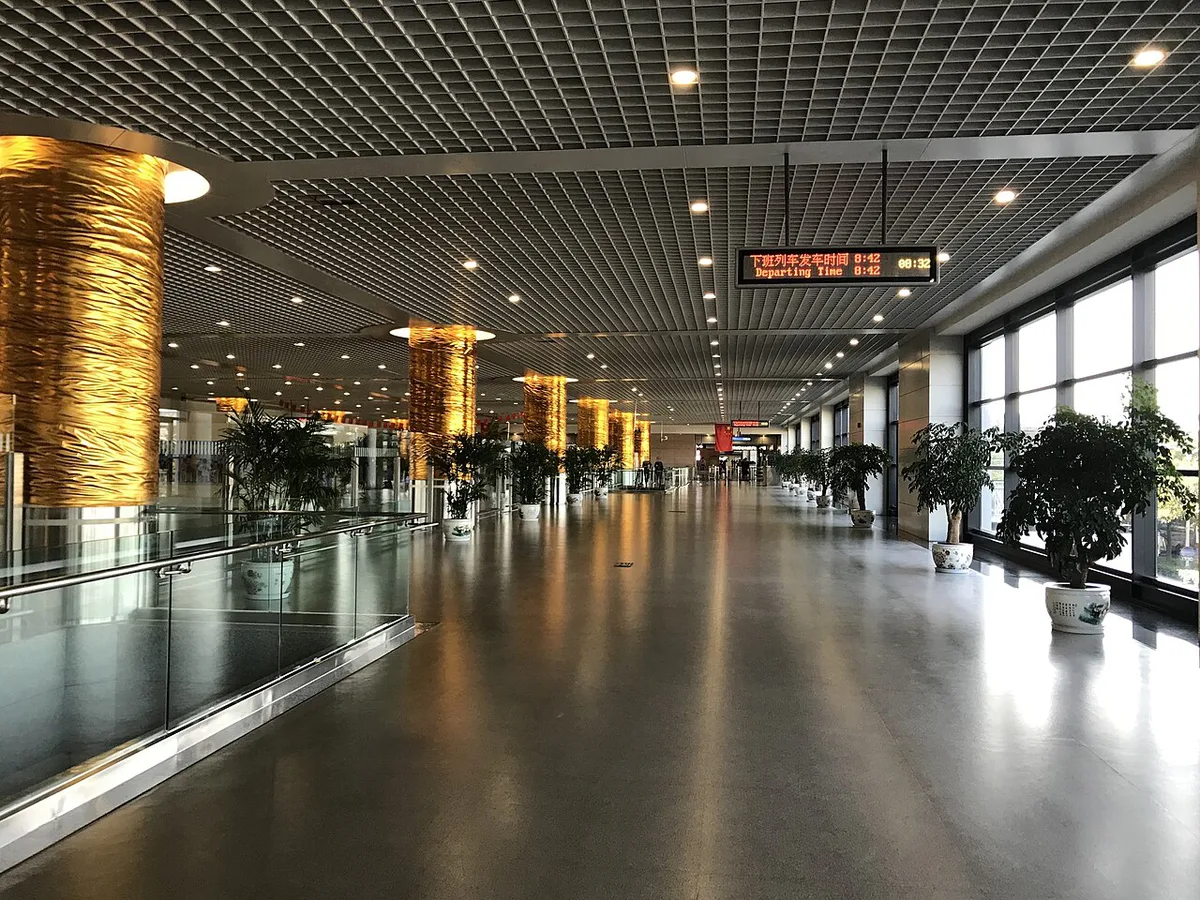
T2 is the second landside terminal and handles many international carriers. S1 links with the T1 side and S2 with the T2 side. Satellite halls hold the gates, so you reach them only after check-in and security. Gate ranges and shop positions are published on the airport's map pages, and the airport sometimes changes them. Read the gate letter on your boarding pass, then use the hall's own signs to find it. Skip any gate-number list that has no recent date on it.
Getting Between Terminals: Shuttle, Walkway and Satellite Links
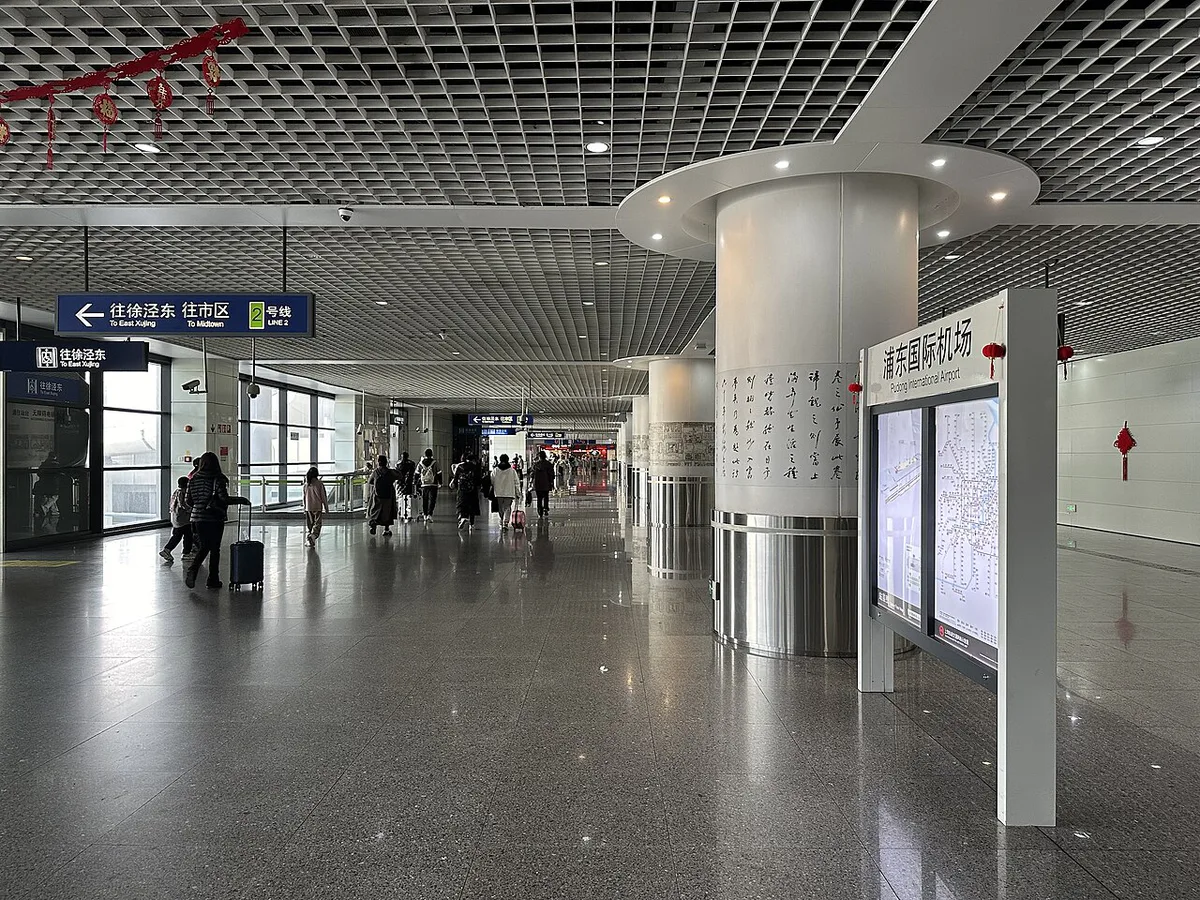
Three options link T1 and T2. A free shuttle bus runs between the terminals, a walking corridor joins them, and an automated link connects the satellite halls. Published figures for shuttle times and corridor length differ between sources. Treat the numbers as rough and read the posted signs on arrival. Do not assume the shuttle runs all night. If you land late, our guide to sleeping at the airport covers the quiet hours.
| Option | Best for | Constraint |
|---|---|---|
| Free shuttle bus | Carrying bags between T1 and T2 | Posted hours; check on arrival |
| Walking corridor | Light luggage and spare time | Check signs for the current route |
| Satellite link | Moving airside to a gate | Only after check-in and security |
| Taxi or other road transport | Late night or mobility needs | Cost varies; ask at the taxi rank |
Where to Find Key Services
Short entries below point you to the guide that owns each topic. Lounges are listed in our lounge guide. Meals and cafes are covered in the airport food guide. Connectivity is explained in the Wi-Fi and SIM card guide. Shopping gets one mention here, in our duty-free guide. Shop and lounge units move, so use the airport map for the exact spot. Before security, remove power banks from your bag so staff can check them.
Getting To and From Pudong Airport
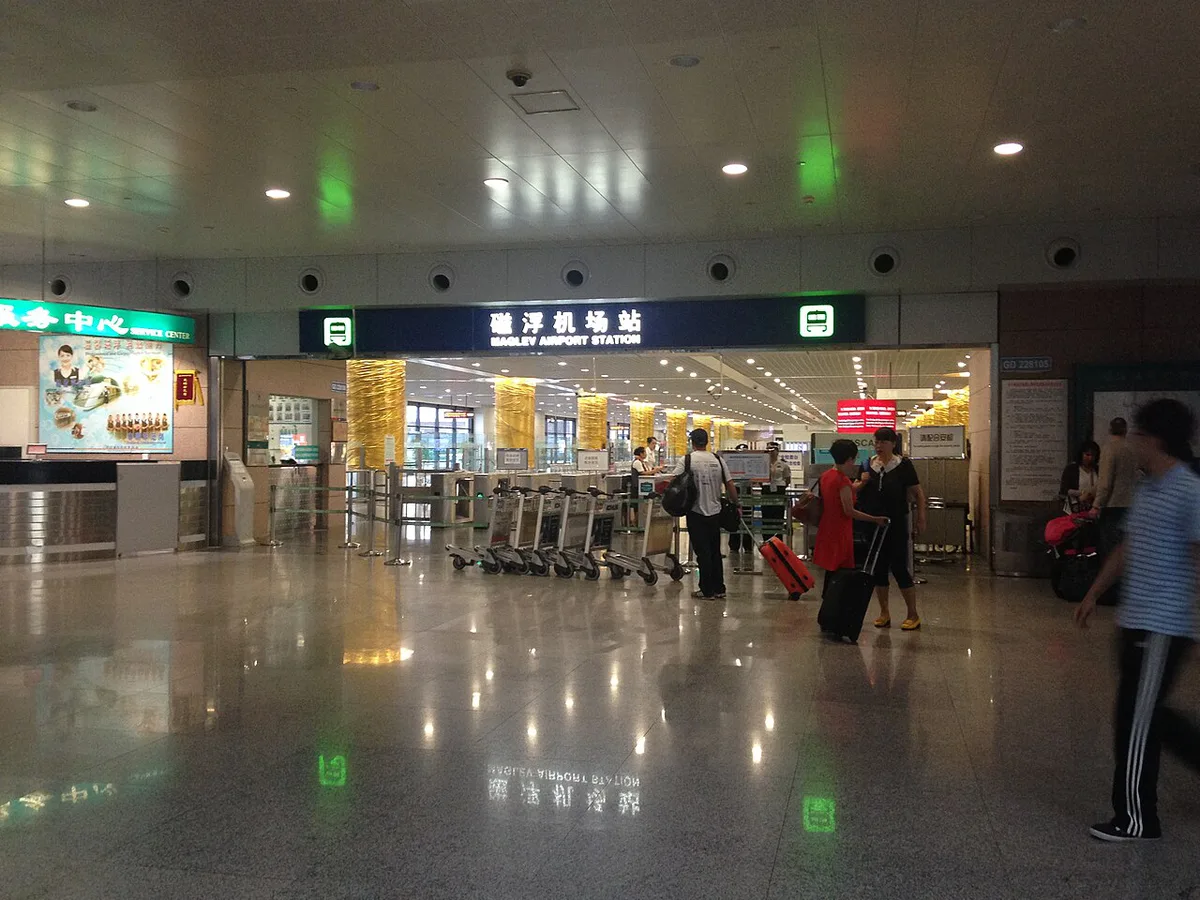
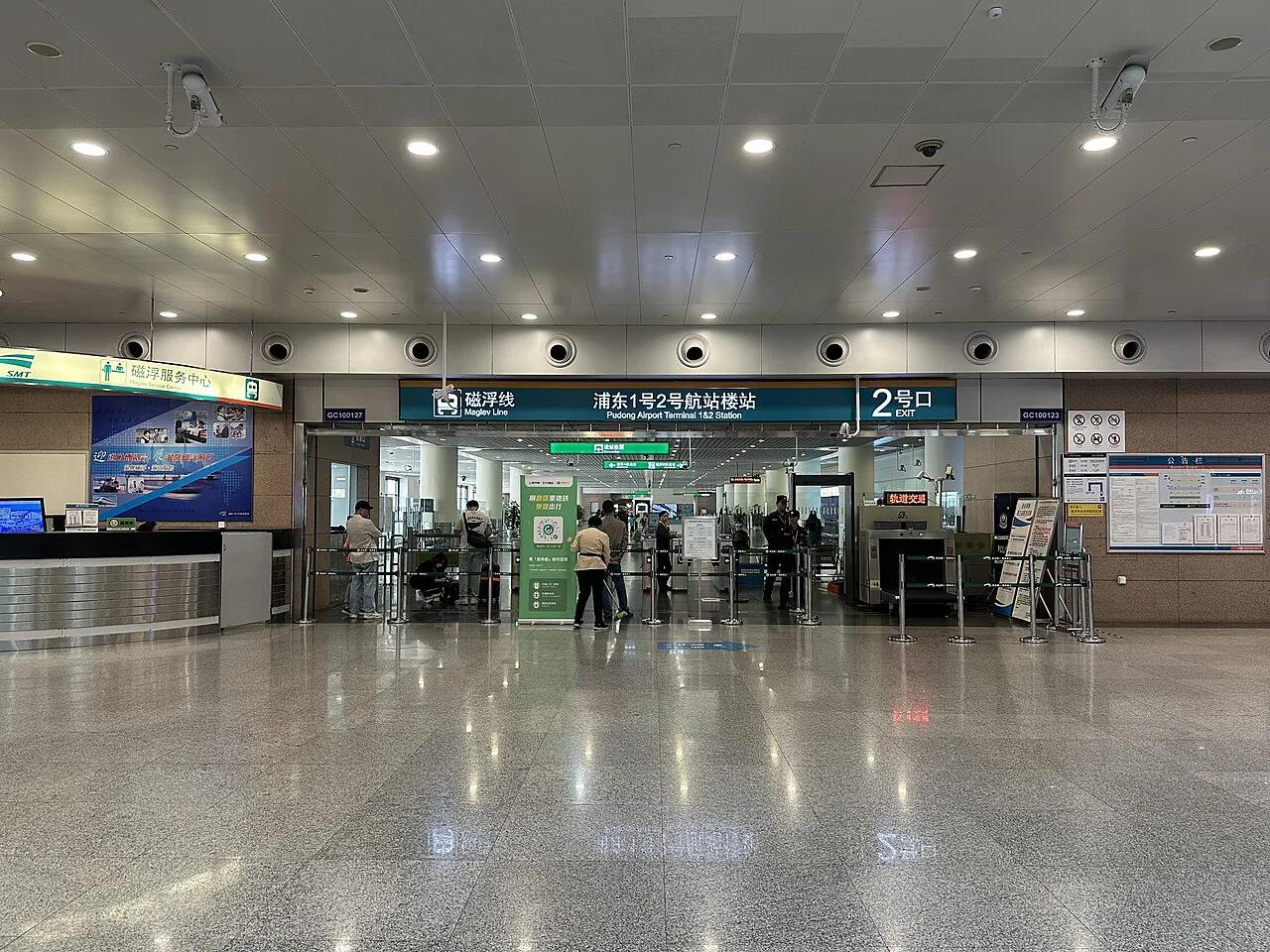
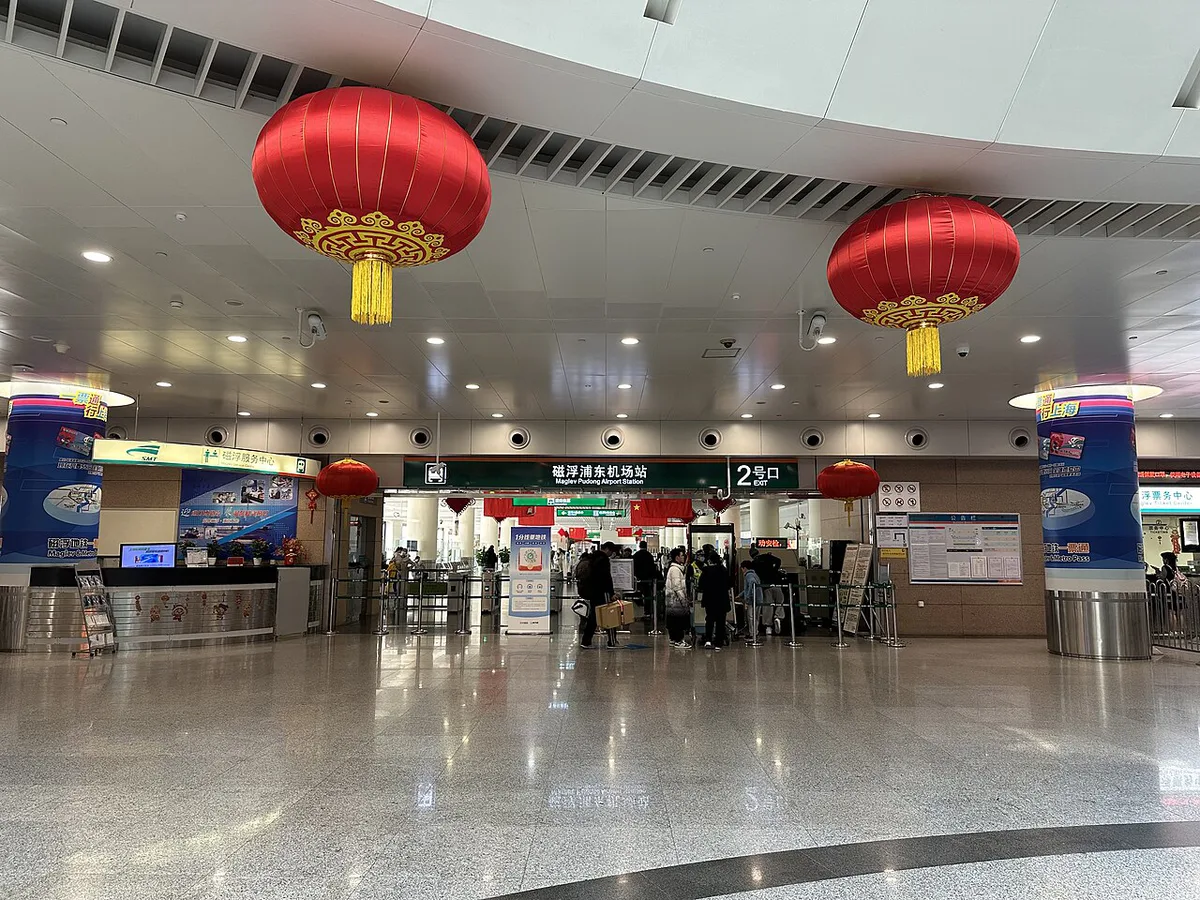
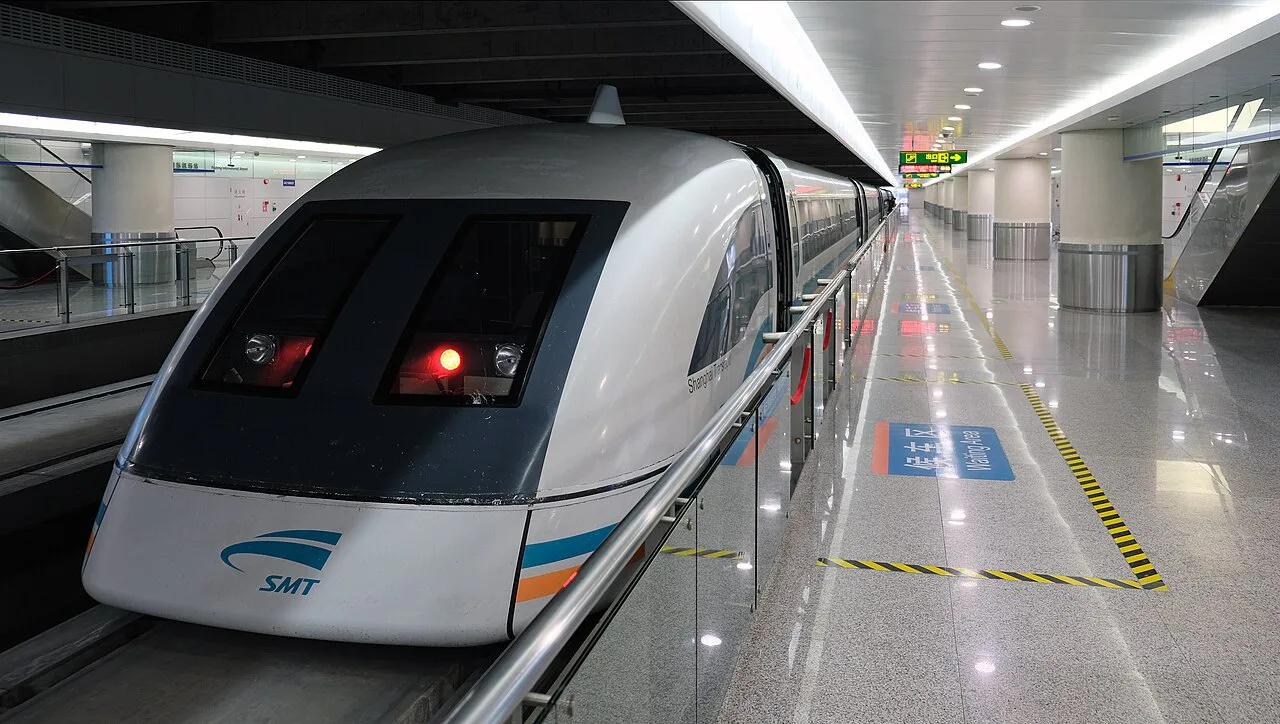
Pudong sits in Pudong New Area, roughly 30 km east of the city centre. Three main links reach the terminal area: the Maglev, Metro Line 2 and airport buses. Maglev details are in our Maglev guide, with fares on the operator's official site. Metro timetables are on the Shanghai Metro website. Our airport to city centre guide compares all options by time and cost.
Transit and Layover Tips
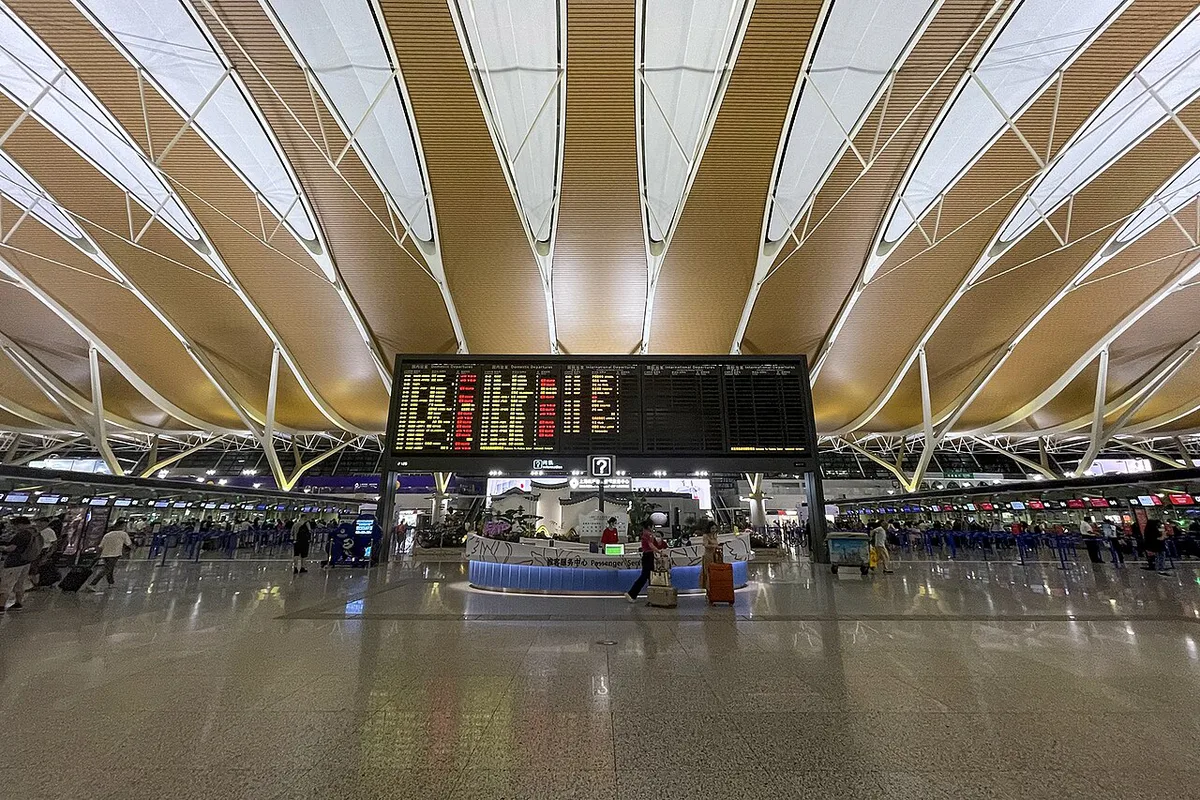
Allow extra time whenever a connection means changing terminals. Leaving the secure area may mean passing immigration and security again. Baggage re-checks add more time. Count these steps rather than relying on a single minimum figure, and ask your airline for its own connection rules. Visa-free transit depends on nationality and routing, so check official Chinese immigration guidance before you rely on it. Our layover guide lays out sample plans. Longer gaps are covered in things to do in the airport.
Flying into Hongqiao late means the night bus to Pudong leaves at 22:30, 23:10, 23:40, 00:30 and 01:00, costing ¥36.
If you land after the shuttle stops, transit hotel options and nearby airport hotels cut the wait.
Hongqiao Airport in Brief
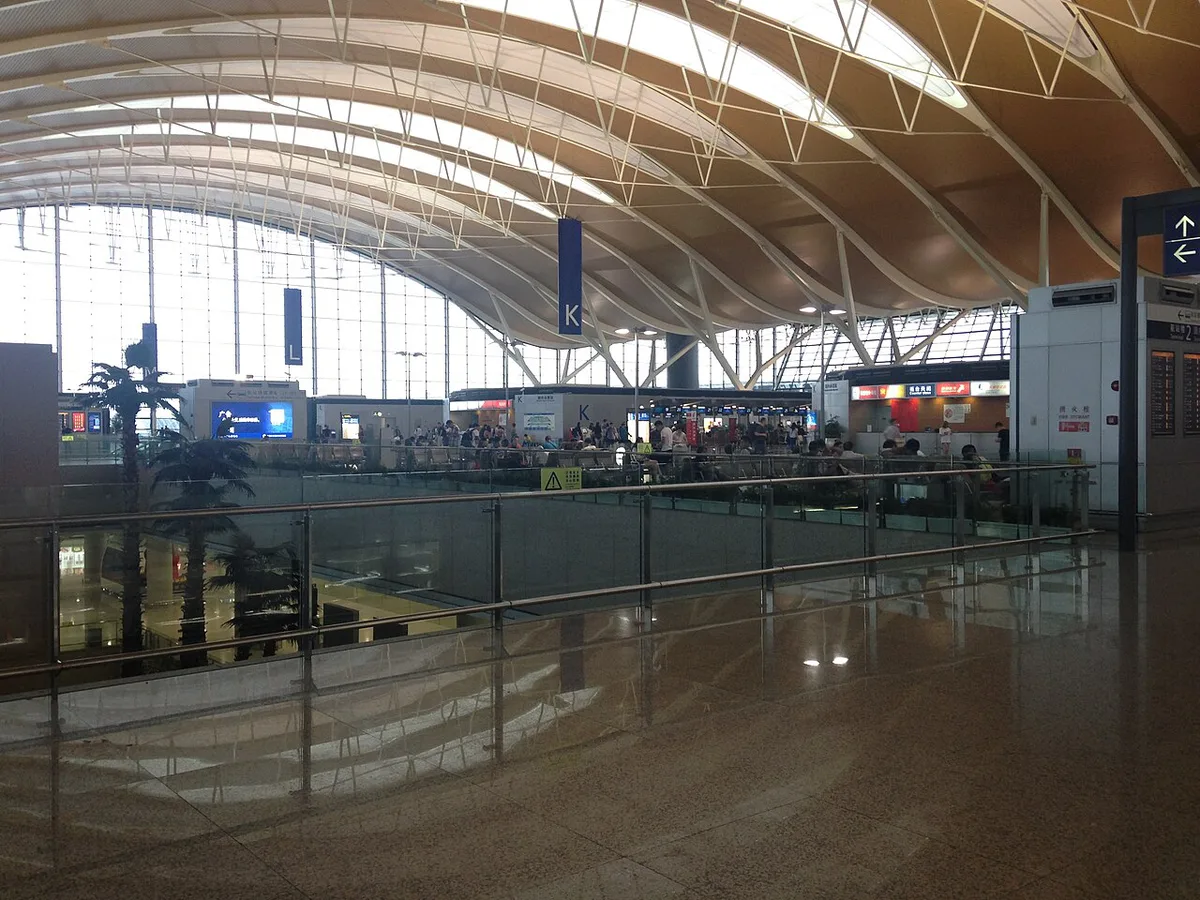
Shanghai's second airport, Hongqiao, has Terminal 1 and Terminal 2. Bus 807 runs from Terminal 1 to Qingjian Xincun from 05:30 to 23:00, every 20 to 30 minutes, for ¥2. Bus 941 leaves the Hongqiao East Transport Center (Terminal 2, waiting room 1) for Shanghai Railway Station South Square, from 05:30 to 23:00, for ¥2. A night bus to Pudong leaves from waiting room 2 at 22:30, 23:10, 23:40, 00:30 and 01:00, costing ¥36. Domestic flights from both airports follow a power bank rule: no units without a clear 3C mark.
Common Mistakes to Avoid
Most delays at Pudong come from a handful of repeat errors. Avoid these.
Domestic flights at both airports allow no units without a clear 3C mark, so check the label before you reach security.
- Assuming your airline uses the same terminal as on your last trip.
- Leaving the secure area for a quick terminal change without checking whether you must clear security or immigration again.
- Trusting an old gate number or shop location from a blog.
- Counting on the shuttle or corridor for a very late arrival or an early departure.
- Assuming a visa-free transit rule covers your nationality and onward ticket.
Frequently Asked Questions
Is Shanghai Pudong airport far from the city?
Pudong sits in Pudong New Area, roughly 30 km east of the city centre. The Maglev, Metro Line 2 and airport buses connect it to the city. Our city transfer guide compares them.
What is the port code for Shanghai Pudong international airport?
The airport code is PVG. Hongqiao airport uses a different code, so check the three letters on your ticket.
Is Pudong International Airport big?
Pudong has two main terminals, T1 and T2, plus satellite halls S1 and S2 airside. Allow time for transfers between them. Use the official map to see how they connect.
Notes for your next connection
Optional updates when our airport guides change.
You might also like
Continue reading
More guides you'll find useful