Istanbul Airport (IST) Guide: Transfers, Terminal & Layovers
Which Istanbul airport you need, how to reach the city, how early to arrive, and where to eat, rest or store bags during a layover.
On this page
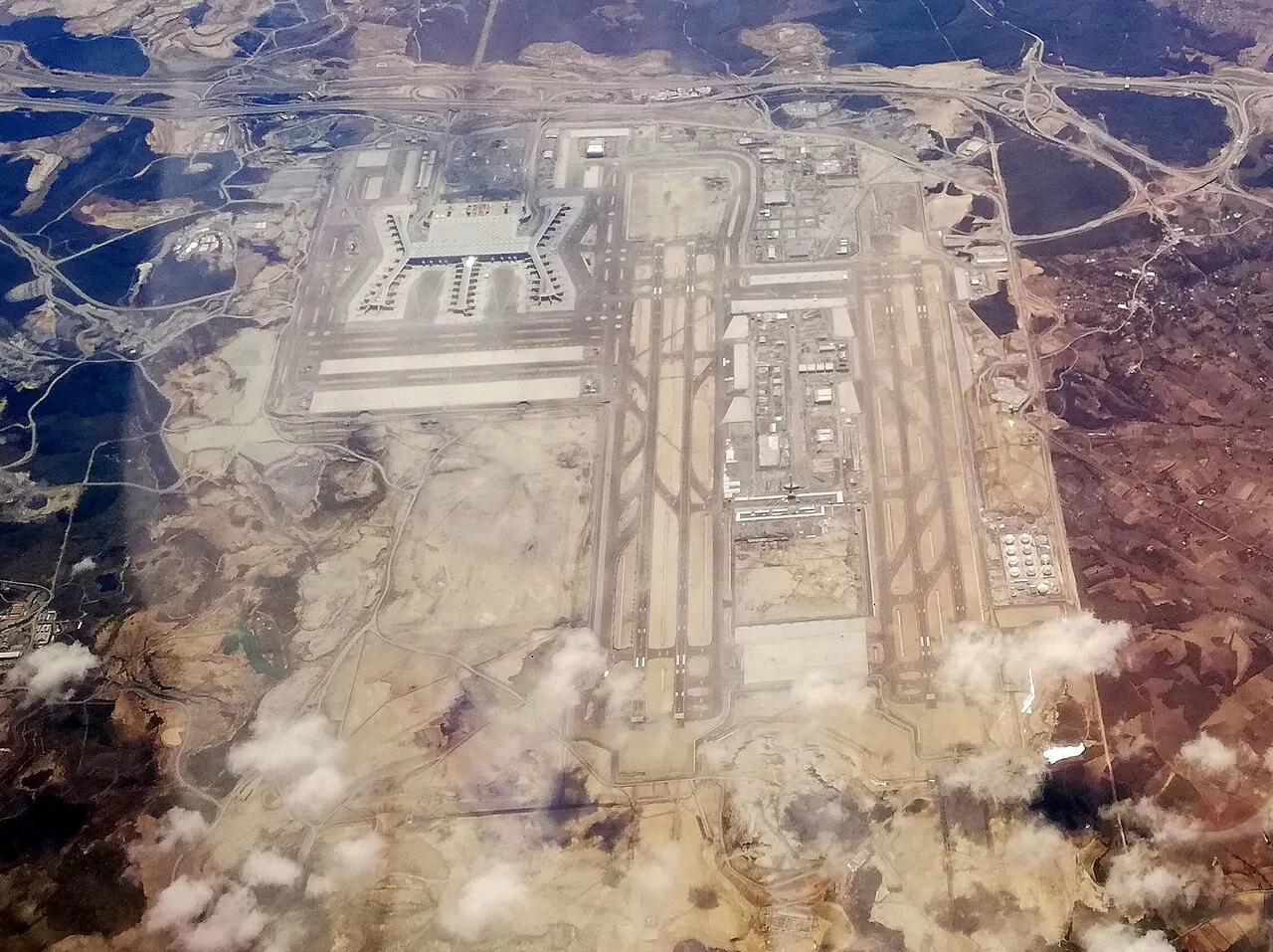
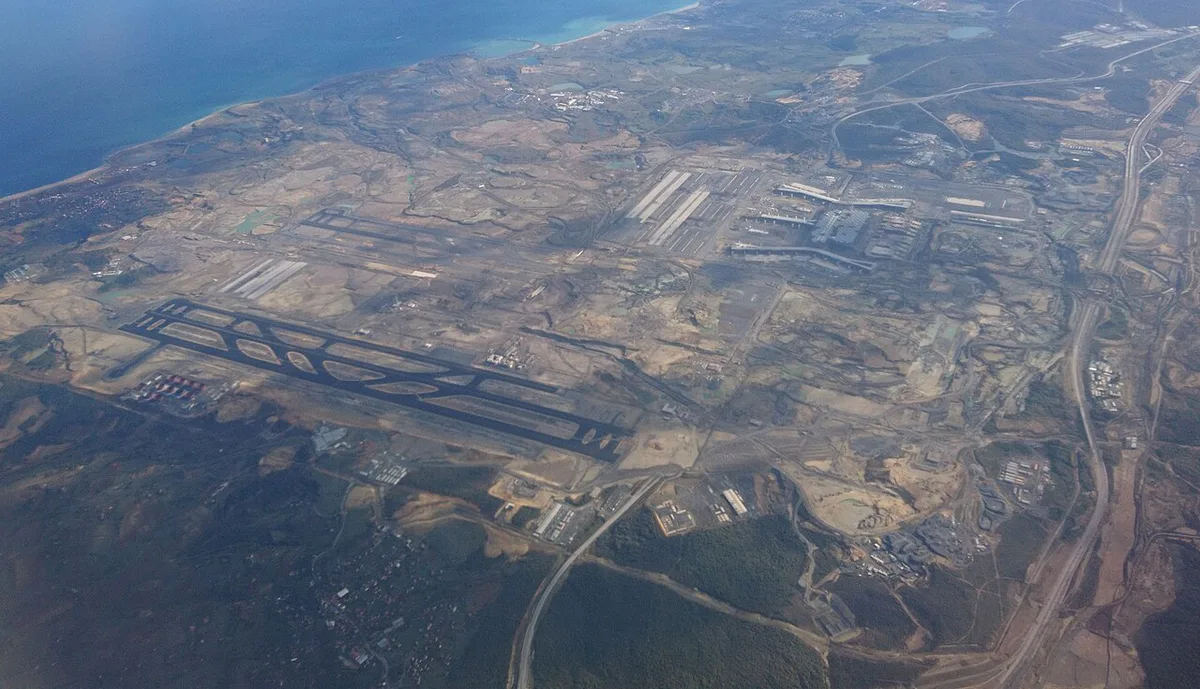
Last updated November 2026: Istanbul Airport (IST) is the city's main international airport, on the European side near Arnavutköy. Sabiha Gökçen (SAW) is the Asian-side alternative near Pendik, and Atatürk no longer handles scheduled passenger flights. Check which code your ticket shows, then jump to the section for arriving, departing or a layover.
Featured image: Jekader, CC0, via Wikimedia Commons.
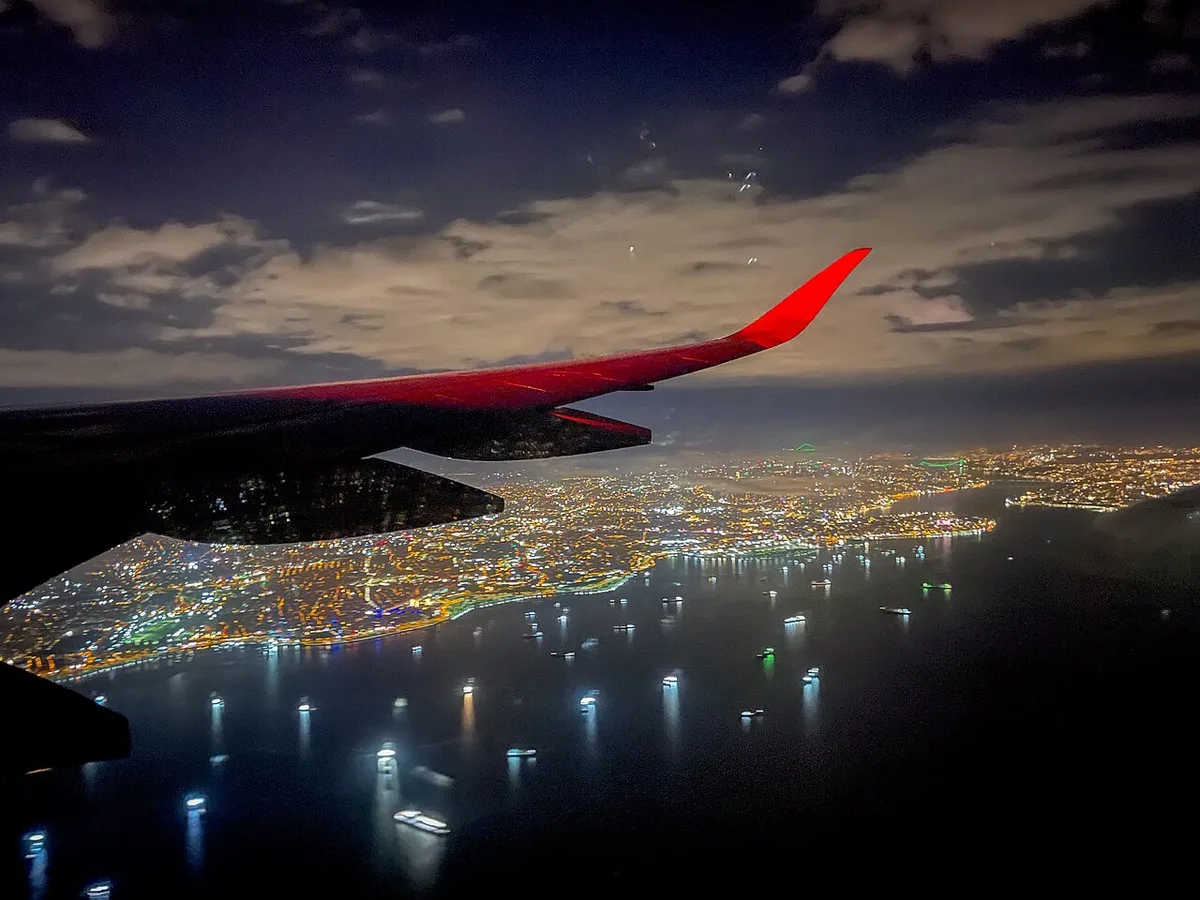
Which Istanbul airport is yours: IST or SAW?
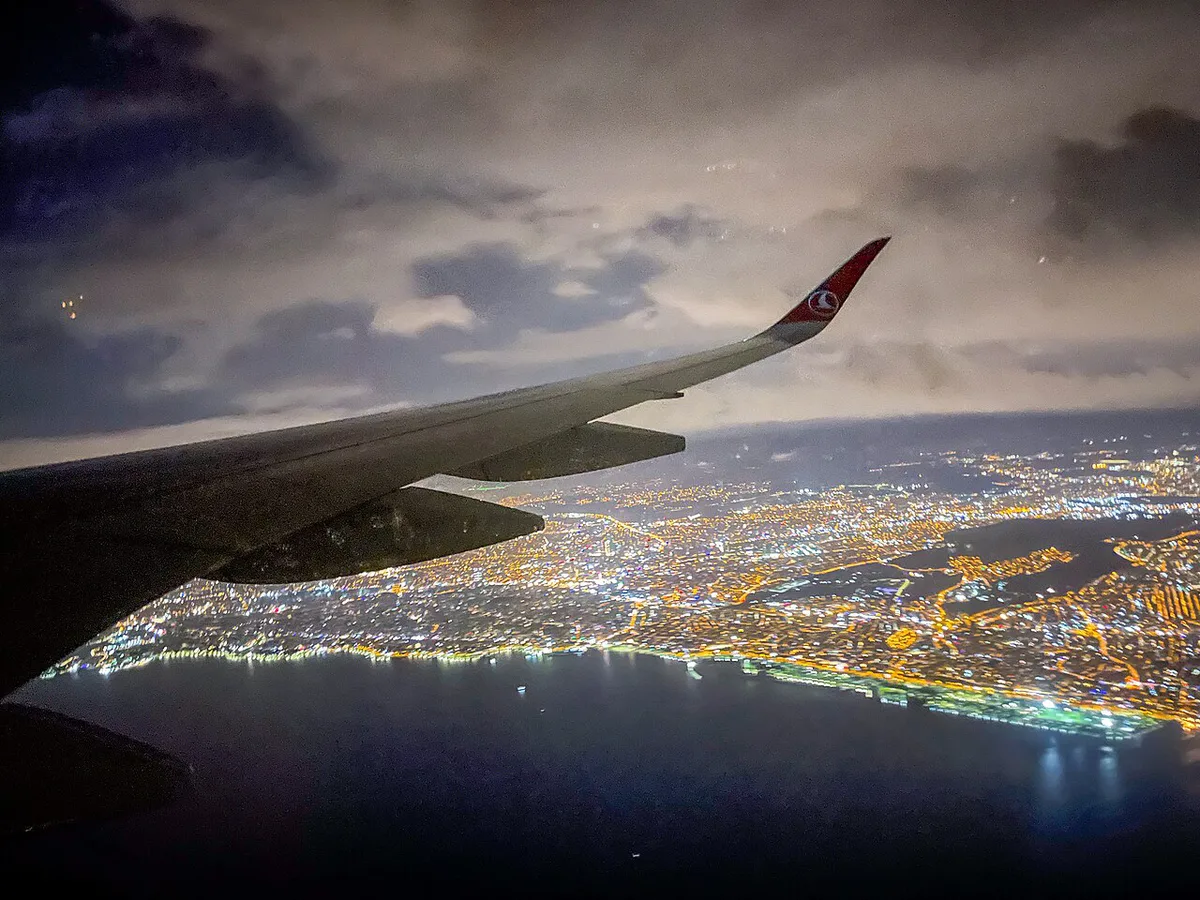
Istanbul has two airports for scheduled passengers. Istanbul Airport (IST) is on the European side and took over the IST code when passenger flights left Atatürk. Sabiha Gökçen (SAW) sits in Pendik/Kurtköy on the Asian side. Its official transport page lists it at 40 km from Kadıköy, 12 km from downtown Pendik and 50 km from Taksim. Atatürk now serves cargo and general aviation only, so do not book a ticket to it for a passenger trip.
| Airport | Side of the city | Pick it if |
|---|---|---|
| Istanbul Airport (IST) | European side, Arnavutköy | Your ticket says IST, or you are staying on the European side |
| Sabiha Gökçen (SAW) | Asian side, Pendik/Kurtköy | Your ticket says SAW, or you are staying around Kadıköy |
| Atatürk | European side | Never for passengers: cargo and general aviation only |
- Arriving: go to the transfer section, then pick metro, bus or taxi.
- Departing: read the terminal section for arrival times and cabin rules.
- Layover: use the layover bands, then read our full Istanbul layover guide.
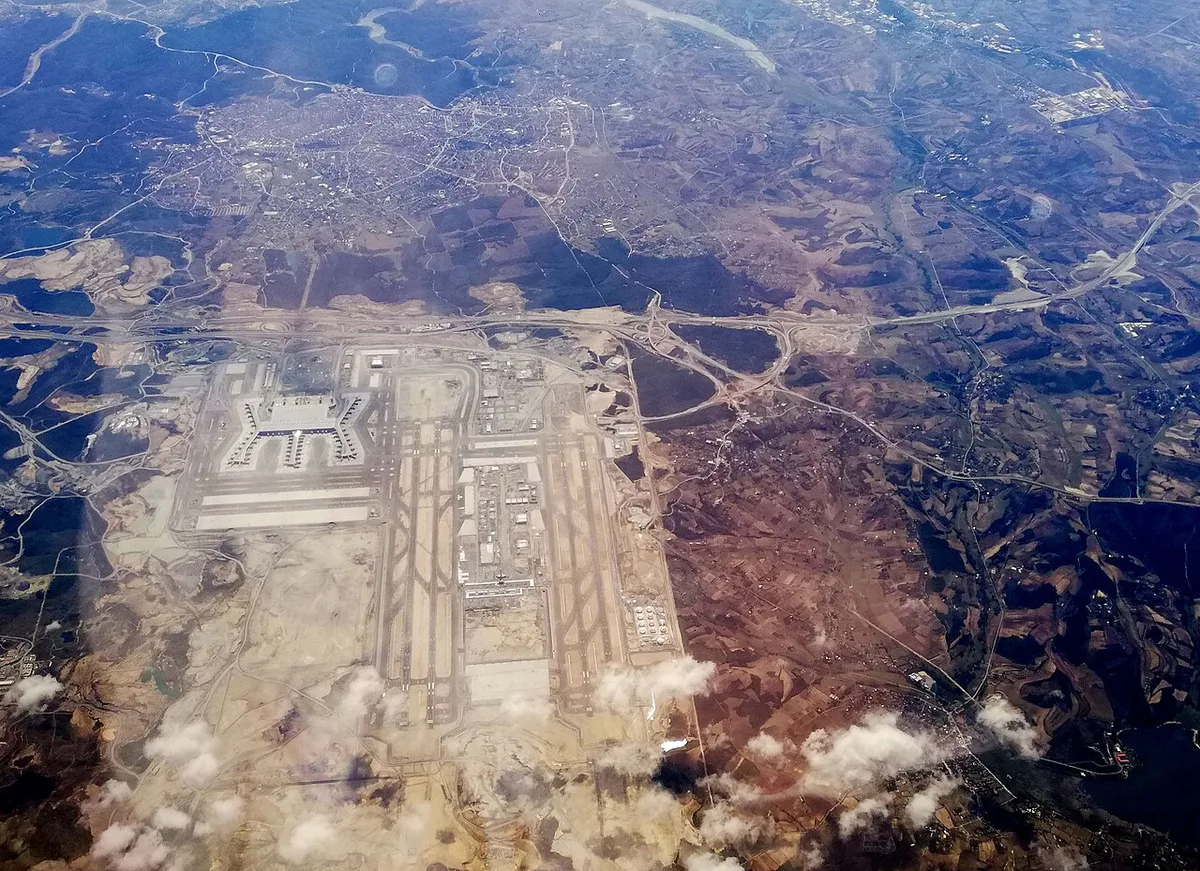
Istanbul Airport quick facts
IST is the IATA code and LTFM is the ICAO code. Istanbul runs on UTC+3 all year. Free Wi-Fi lasts one hour and unlocks by SMS or passport number. For longer sessions, see our guide to Wi-Fi and SIM cards. The airport call center answers 24/7, and Medicana Clinic inside the terminal is open 24 hours a day. Use the operator's own flight-status page for live arrivals and departures, since this guide does not track flights.
- Codes: IATA IST, ICAO LTFM.
- Location: European side, Arnavutköy.
- Time zone: UTC+3.
- Free Wi-Fi: 1 hour.
- Medical help: Medicana Clinic, 24 hours.
Getting between Istanbul Airport and the city
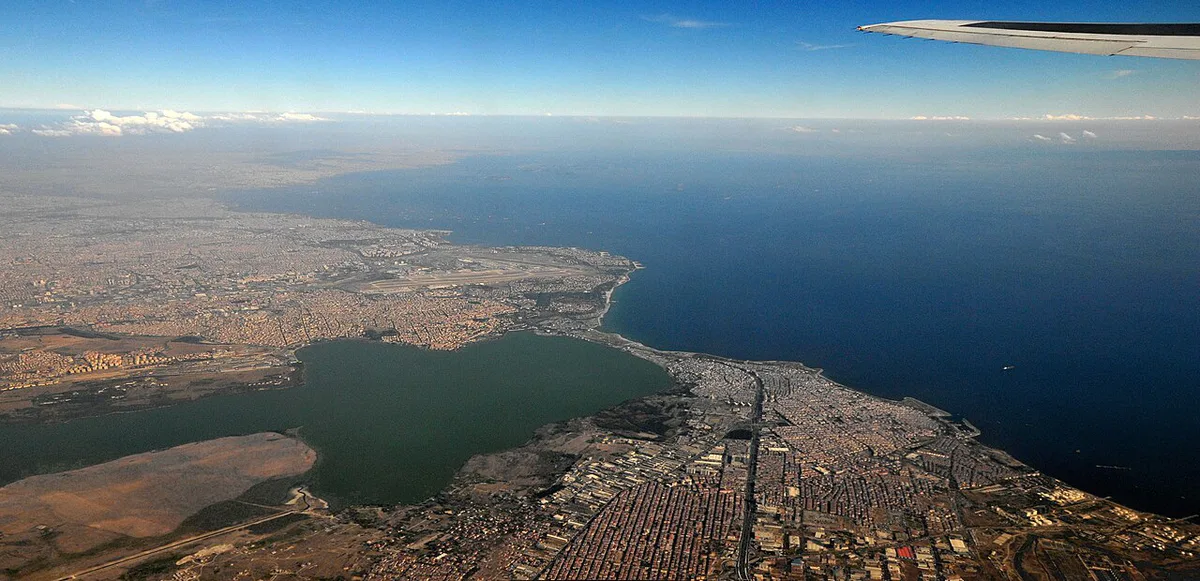
Metro is the cheapest rail option. M11 trains run from Gayrettepe to the airport, with 7 stops between Kağıthane and İstanbul Havalimanı station. Metro Istanbul publishes current line information. Our airport rail guide covers the ride in detail. Buses are the other public option. HAVAİST and İETT buses leave from the transport floor, floor -2. Follow the 'Transport Floor' signs to the elevators in front of the entrance gates. You can pay cash at ticket counters, by card on board, or by QR code from the HAVAİST app. Taxis cost more but go door to door. Our taxi guide explains how to avoid overcharging. For a full side-by-side, see airport to city center options. Prices and hours checked November 2026. For SAW, the M4 Kadıköy–Tavşantepe metro now serves the airport station. Transfer at Kadıköy for the T3 tram and ferries, or at Ayrılık Çeşmesi for Marmaray. Transfer at Ünalan for the Metrobus.
| Option | Cost level | Luggage | Best fit |
|---|---|---|---|
| Metro M11 | Lowest | Fine with one bag; stairs possible | Solo travelers heading to Gayrettepe or Kağıthane |
| HAVAİST bus | Low | Hold space for bags | Direct runs without changing lines |
| Taxi | Highest | Door to door | Groups, heavy bags, tired arrivals |
| Private transfer | High, fixed in advance | Door to door | Families and late arrivals |
Navigating the terminal and arriving on time
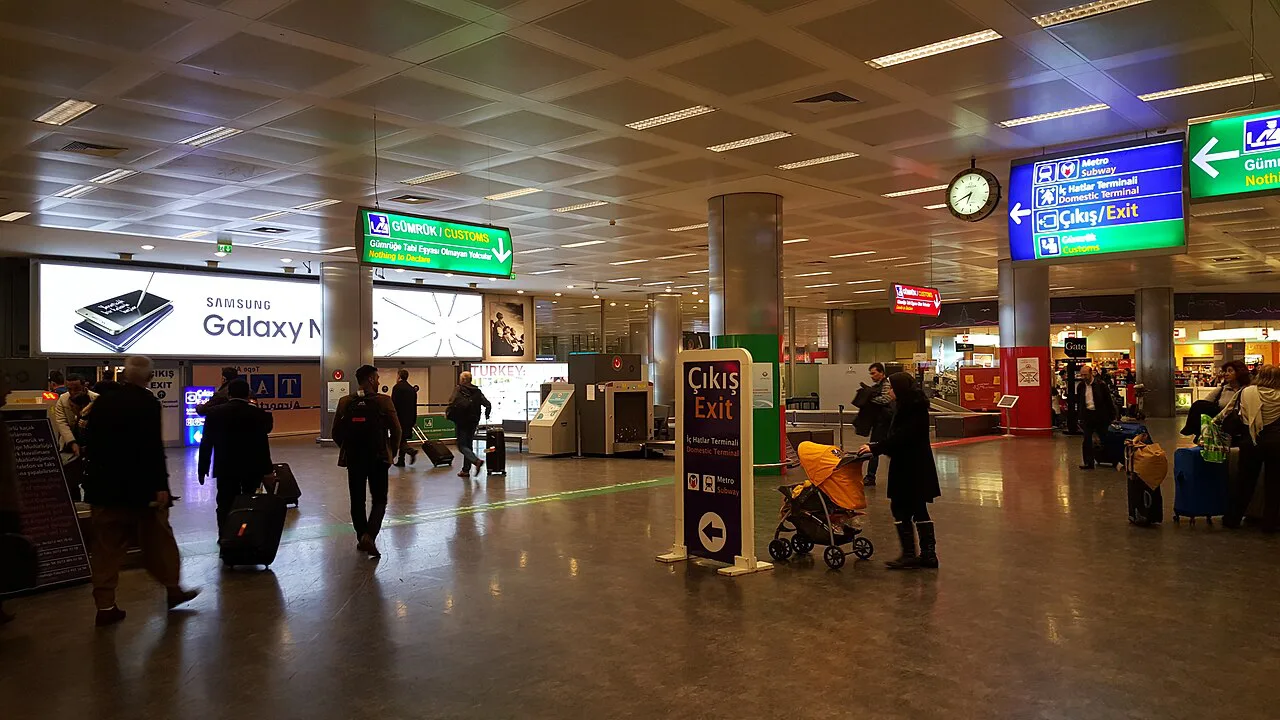
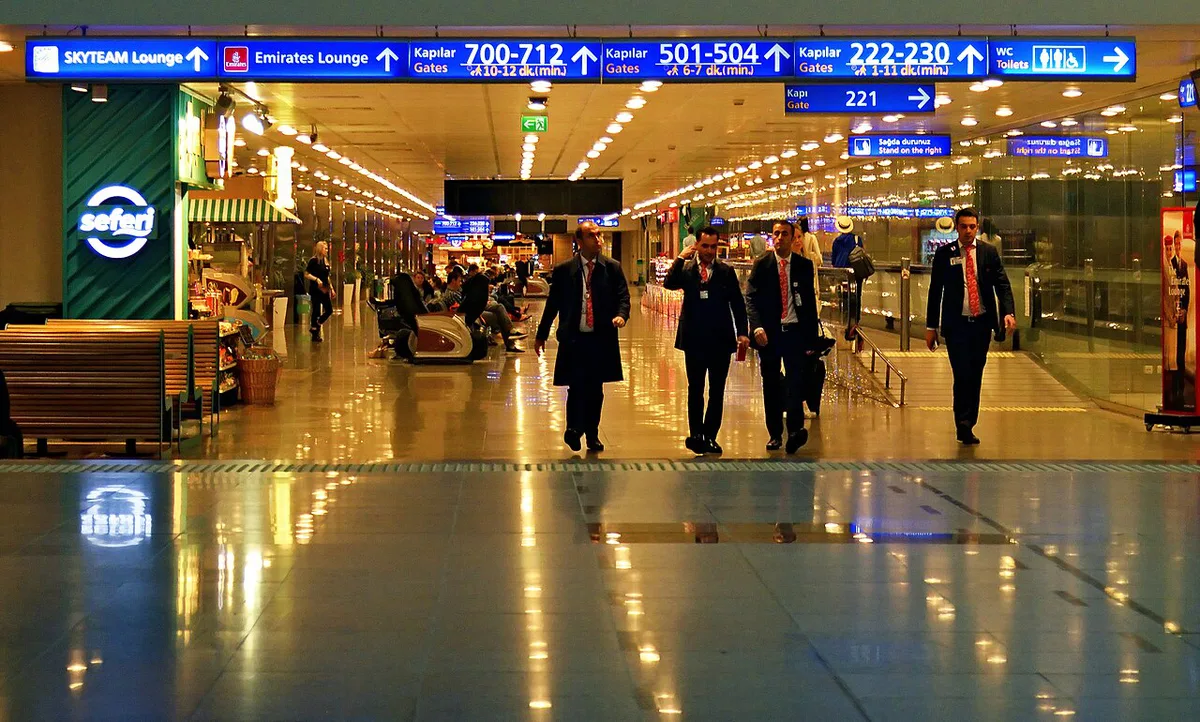
Arrive at least 3 hours before an international flight. Allow at least 2 hours for domestic flights. Cabin liquids must be in containers of 100 ml or less, packed in one transparent 20 x 20 cm bag per person. Laptops, tablets and other devices go through the X-ray separately, without covers or bags. Baggage wrapping costs ₺75 at entrance gates 3 and 5 on the departures floor. Lost property is opposite check-in island R, near entrance gate 7. Anyone needing a wheelchair and assistant must reserve through the airline at least 48 hours before departure. Our terminal map guide shows how the building is laid out.
Layover planning: how long you actually need
Start with the airport's own rule of thumb: be at the airport 3 hours before an international departure. Work backward from that to see whether a city trip fits. Before leaving the airport, check the visa or e-visa rule for your passport. Also confirm whether your bags are checked through to the final stop. Official customs information covers what you may carry. Airlines set minimum connection times, so ask yours rather than guessing.
Baggage wrapping costs ₺75 at entrance gates 3 and 5 on the departures floor. Add that stop to your timing before you set a return time.
| Layover length | Best move | Why |
|---|---|---|
| Under 3 hours | Stay airside | Departure check-in guidance already needs about 3 hours |
| 3–6 hours | Short stop only if your visa and bags allow it | Metro or bus out and back eats most of the time |
| 6+ hours | Go into the city | Plan a fixed return time; see Touristanbul for city options |
Where to eat, shop, rest and sleep inside the airport
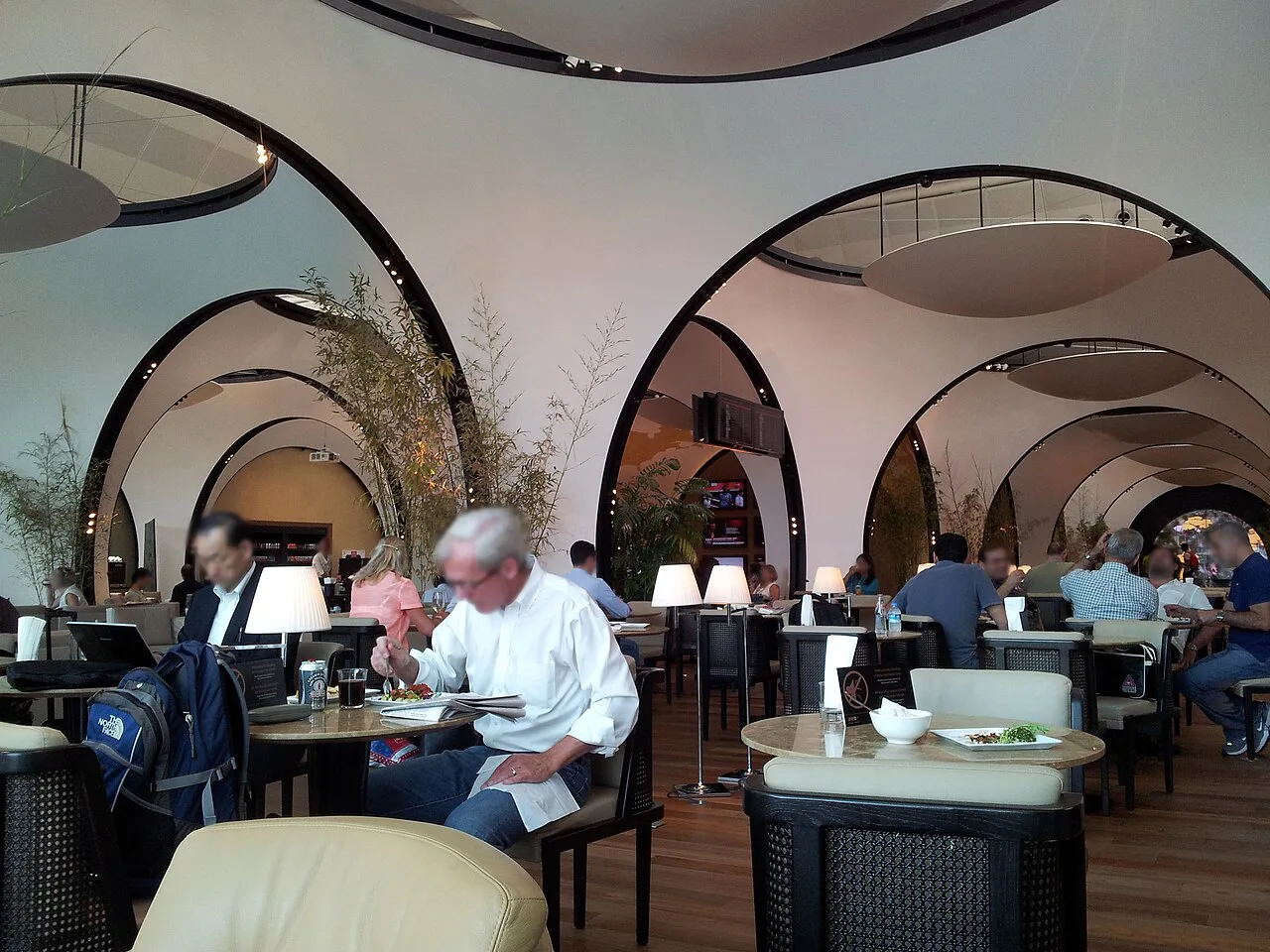
Keep this part simple and pick one need at a time. For meals, start with airport food choices. For a quiet seat, read about lounge access, and see Turkish Airlines lounges if you fly with them. Shoppers should read our duty-free guide. Long gaps without a bed call for sleeping tips. If you want a room, compare airport hotels and the YOTELAIR option. With spare hours, try things to do inside the terminal.
Medicana Clinic inside the terminal is open 24 hours a day, so a long wait for a seat or a nap still has medical help inside the terminal.
Common mistakes and how to avoid them
Mixing up IST and SAW is the costly one. Both serve Istanbul, but they sit on opposite sides of the city, and Sabiha Gökçen is 50 km from Taksim. Traffic and time of day matter more than distance on a map, so never judge a taxi or bus ride by kilometers alone. Old fare numbers online are often stale, so read the operator's current fares. Last, remember that landside and airside access differ. Once you pass security, leaving for the city means a fresh passport and security routine.
- Check the airport code on your ticket before booking transfers.
- Allow extra time at rush hour.
- Do not trust old fare figures.
Frequently Asked Questions
Which airport in Istanbul is closest to the city?
Neither sits in the old center. Sabiha Gökçen is listed at 40 km from Kadıköy and 50 km from Taksim. Istanbul Airport is in Arnavutköy on the European side, so check your actual destination before choosing.
Is the airport of Istanbul open?
Yes. Istanbul Airport is the main passenger airport, and Sabiha Gökçen also operates. Atatürk no longer handles scheduled passenger flights.
Notes for your next connection
Optional updates when our airport guides change.
You might also like
Continue reading
More guides you'll find useful