Beijing Airport Map: Terminals, Layout & Getting Around
Find your way around Beijing Capital Airport: how T2 and T3 connect, where city buses leave, and how not to confuse PEK with Daxing.
On this page
Last updated November 2026: this Beijing airport map guide covers Beijing Capital (PEK), with its terminal layout, connections and pickup points. Flying into Daxing (PKX) instead? Head to our Beijing Daxing Airport (PKX) Guide: Getting There, Terminal & Layovers. For the live floor plans, open the official Beijing Capital site.
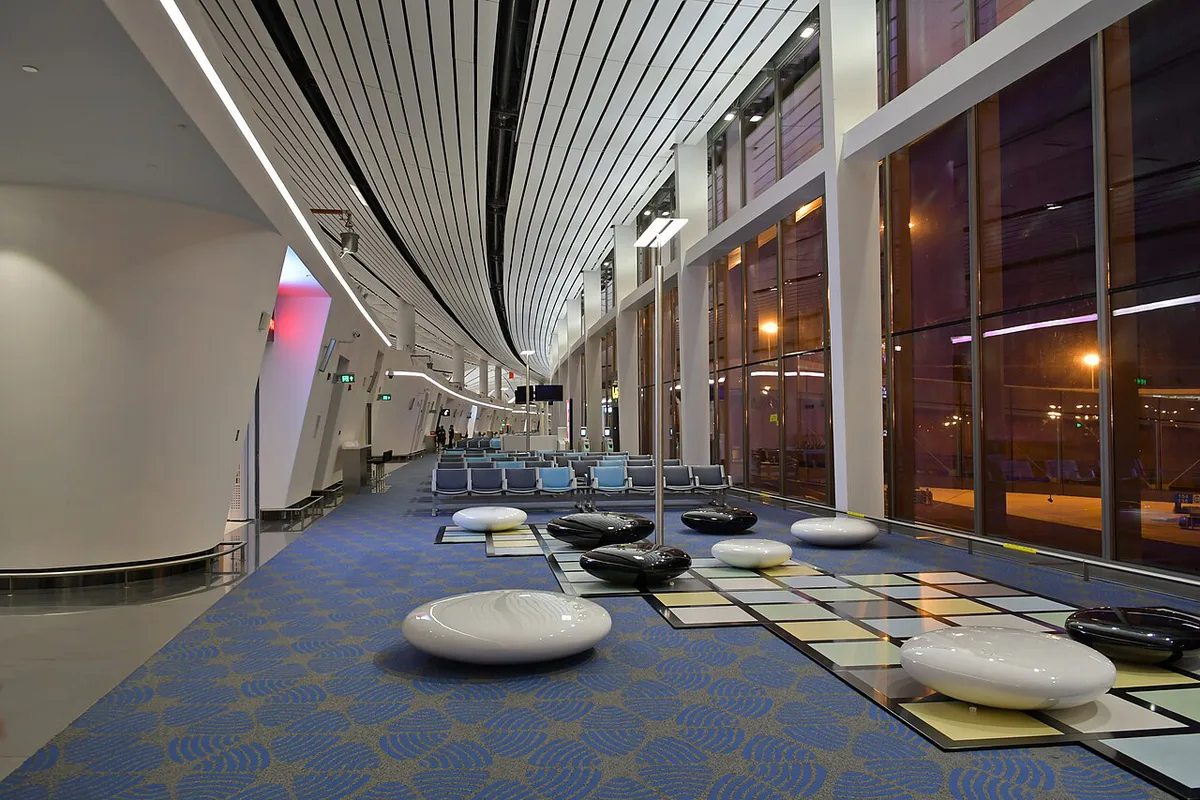
Featured image: 颐园新居, CC BY-SA 3.0, via Wikimedia Commons.
Which Beijing Airport Do You Need? PEK vs PKX
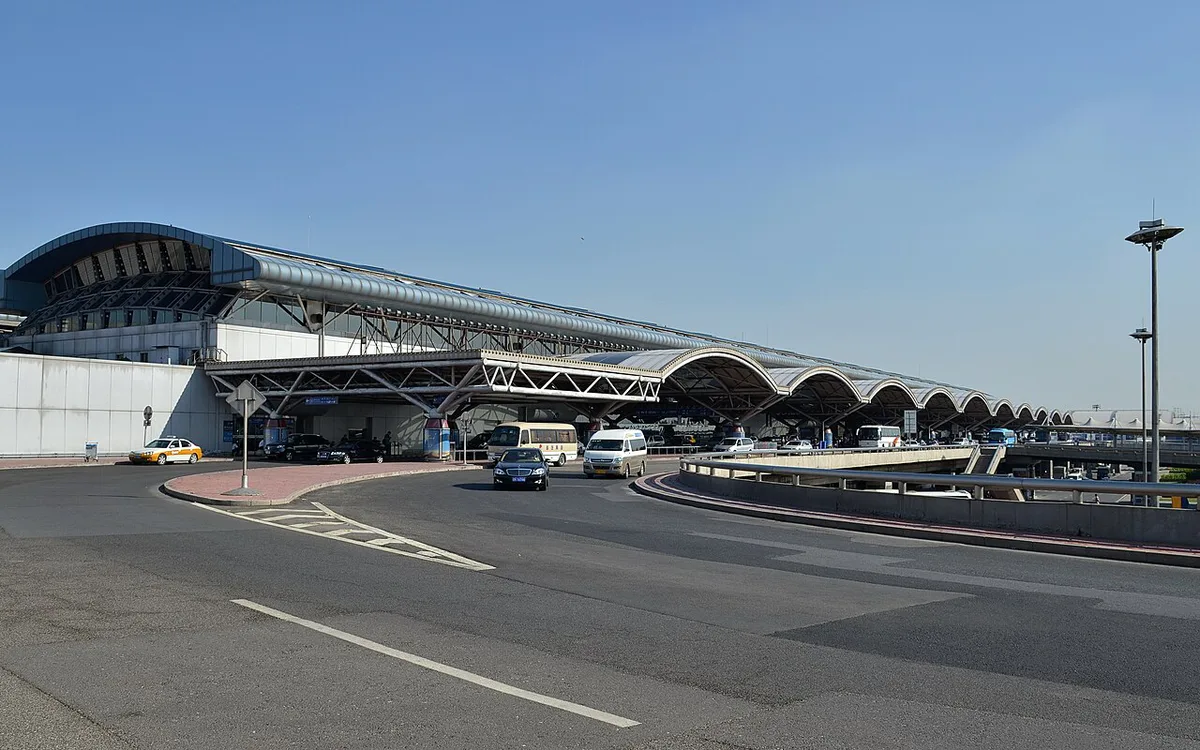
Beijing has two main airports, and a search for a Beijing airport map can mean either. Beijing Capital (PEK) is in Chaoyang District. Beijing Daxing (PKX) is the second airport, with its own single main terminal. Your booking confirmation shows the three-letter code, so look for PEK or PKX before you book a ride. Going to the wrong one means a long cross-city detour with a flight waiting. Our 6 Things to Know About Beijing Airport: PEK vs Daxing compares both airports at a higher level. Daxing details are on its official airport site.
| Airport | Code | Terminal layout | Start here |
|---|---|---|---|
| Beijing Capital | PEK | T2 and T3 are the main terminals; T3 splits into T3C, T3D and T3E; T1 is not operational for most flights | This guide |
| Beijing Daxing | PKX | One main terminal with a five-pier star layout | Daxing airport guide |
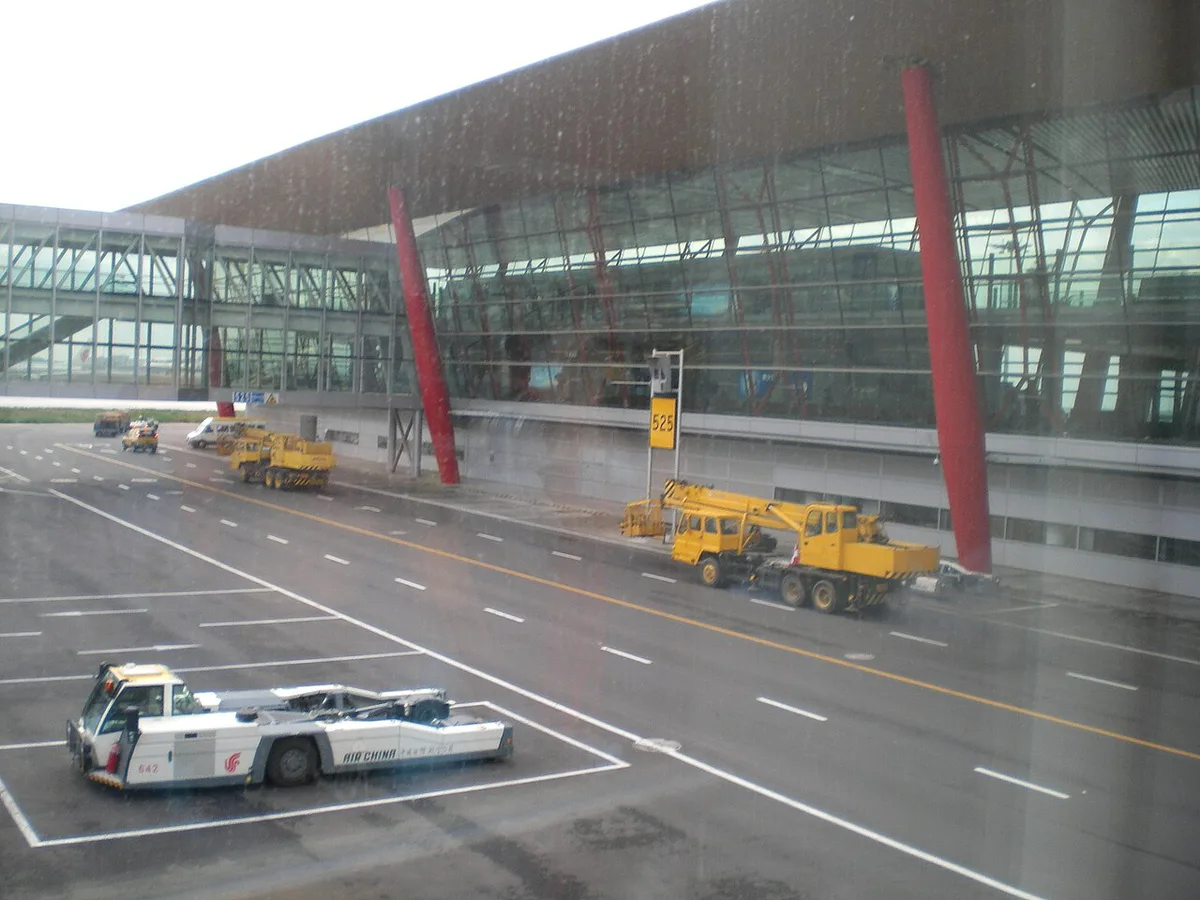
Beijing Capital (PEK) Terminal Map: How the Layout Works
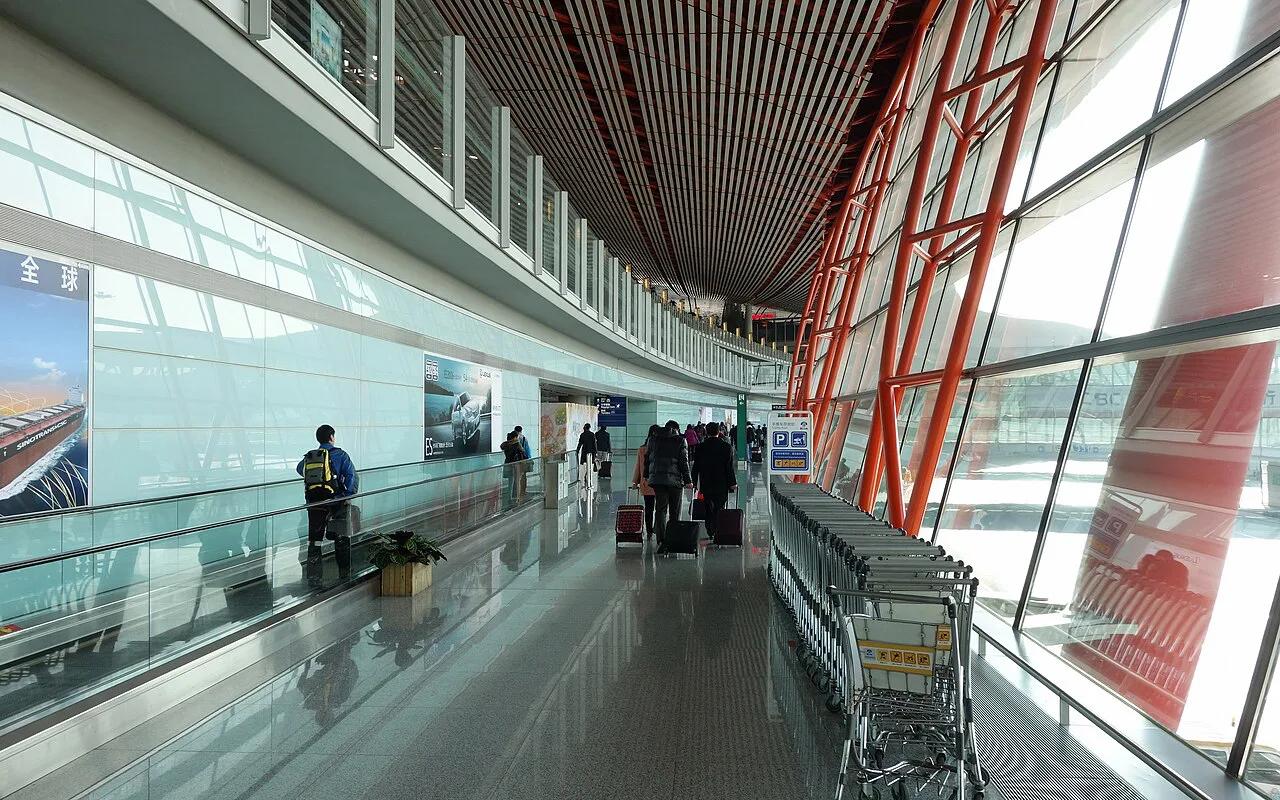
PEK has three terminal buildings on paper: T1, T2 and T3. T1 is not operational for most flights, so most travelers will never need it. T2 and T3 are the buildings that matter. Inside T3, check-in and gate areas are divided into three parts: T3C, T3D and T3E. Your boarding pass or airline app shows the exact terminal and, for T3, the letter. Airlines move between terminals over time, so read the terminal off your own booking. Memory and old blog posts are poor guides here.
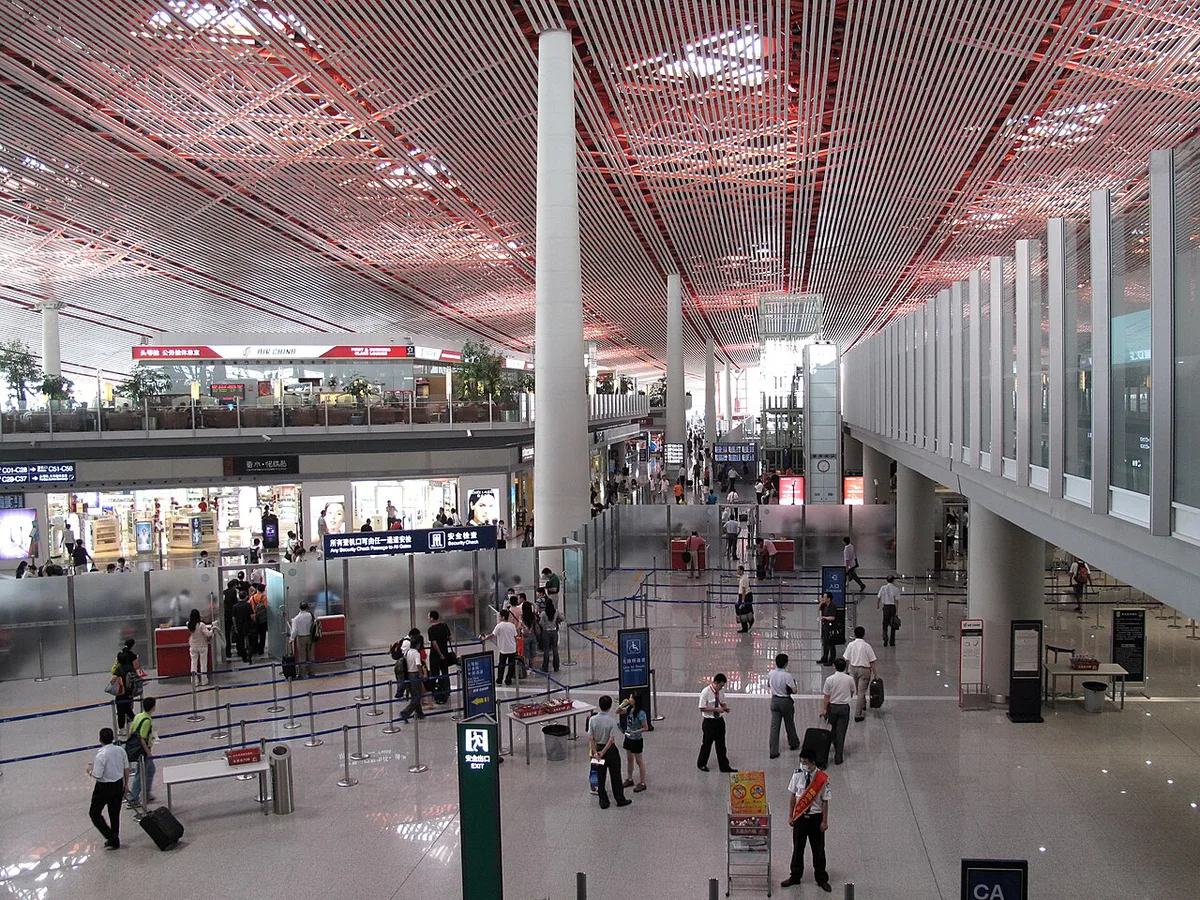
- T1: not operational for most flights, so skip it unless your airline names it.
- T2: a main terminal, served by the Metro Airport Line.
- T3: the other main terminal, split into T3C, T3D and T3E.
- Address for both: Capital International Airport, Chaoyang District, Beijing.
Moving Between Terminals at Beijing Capital
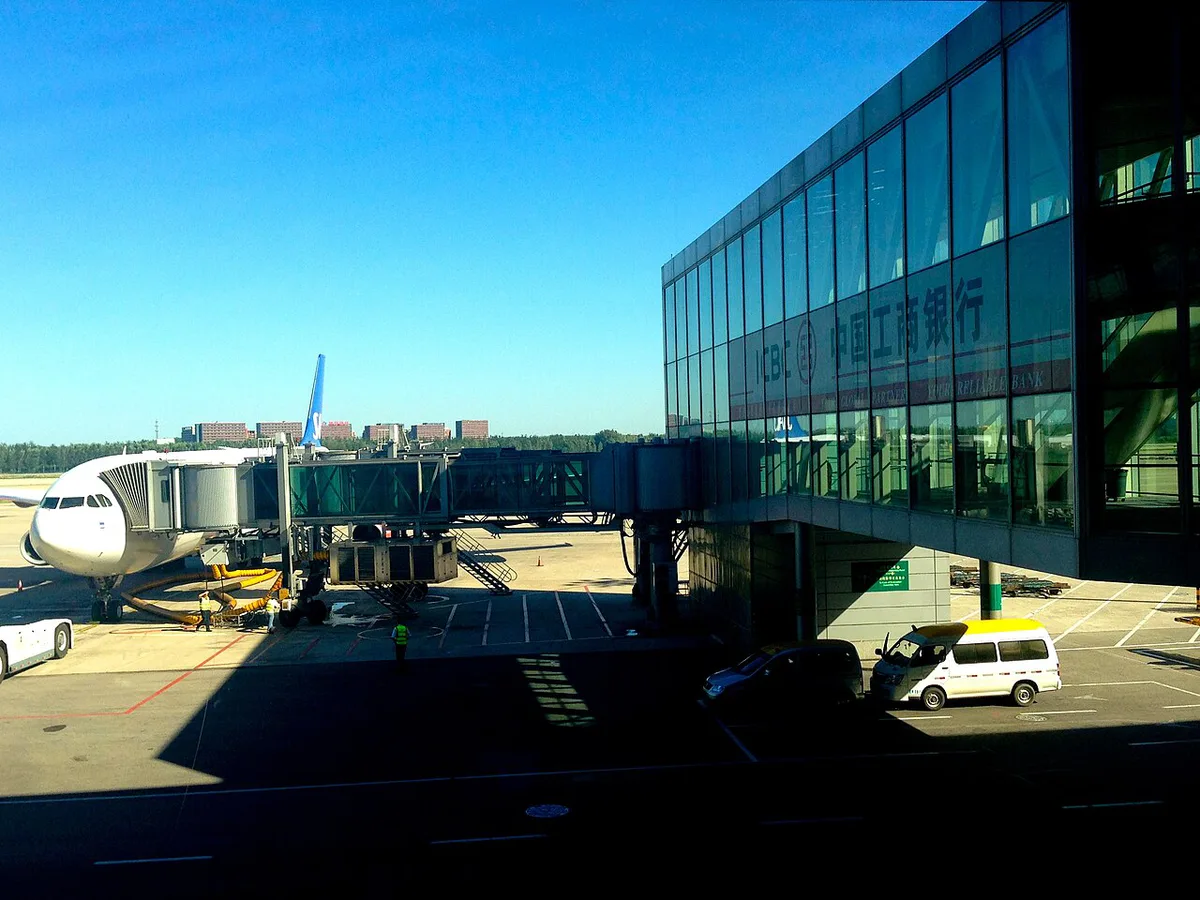
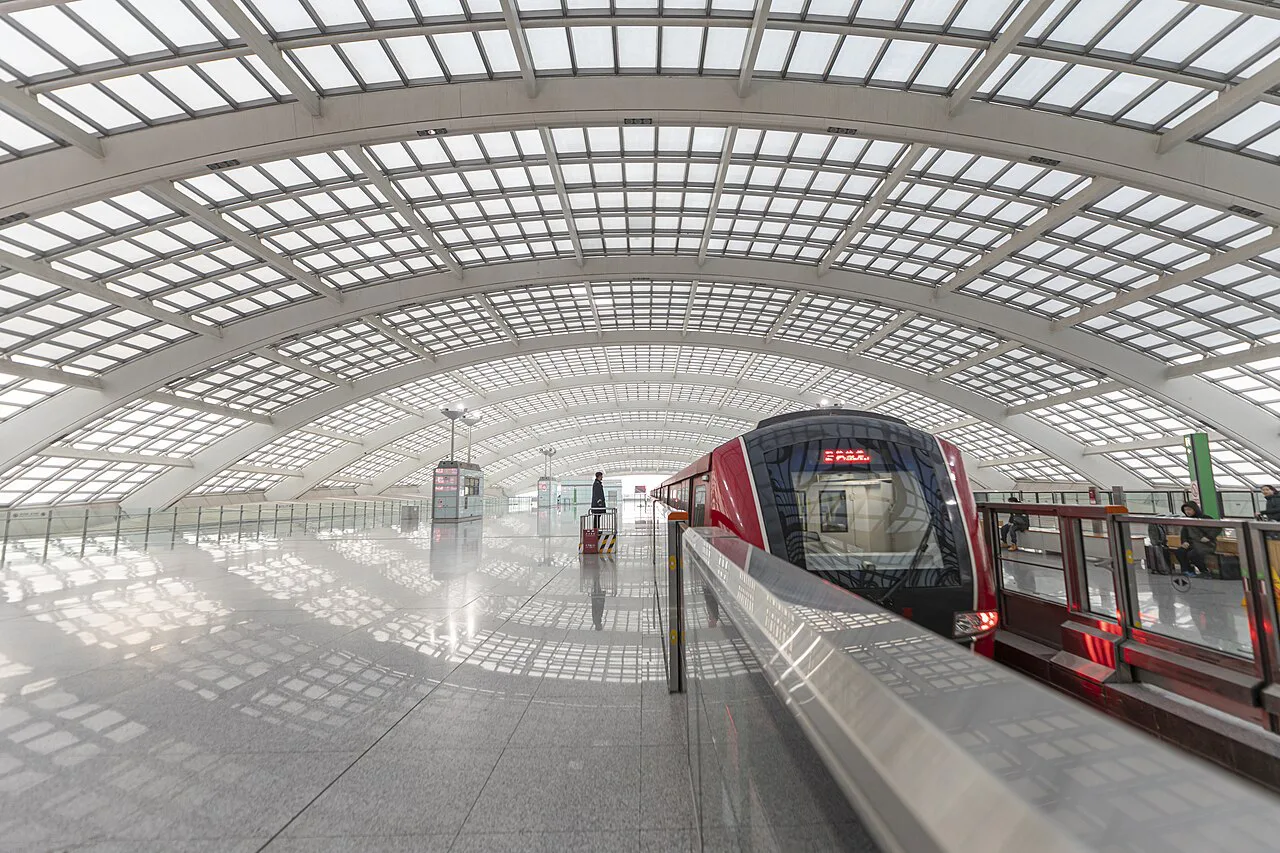
The Metro Airport Line links the two main terminals. Its route runs Dongzhimen, Sanyuanqiao, Terminal 3, Terminal 2, then back through Sanyuanqiao to Dongzhimen. A one-way ticket costs ¥25 per person (prices checked November 2026). The T2 station sits in the second basement of the No. 2 parking building. The T3 station is on the 2nd floor of the No. 3 parking building. Both stations are in parking buildings, so allow walking time with bags. For other transfer options, follow the airport's own signs on arrival.
Carrying bags, a terminal change needs a generous buffer. Remember the T3 station is on the 2nd floor of the No. 3 parking building.
| Option | Effort with luggage | Cost | Best for |
|---|---|---|---|
| Metro Airport Line (T3 to T2) | Walk to a parking-building station, then ride | ¥25 one-way | Moving between T2 and T3 on a fixed fare |
| Other airport transfers | Follow terminal signs | Check on arrival | Travelers who prefer to stay in the airport system |
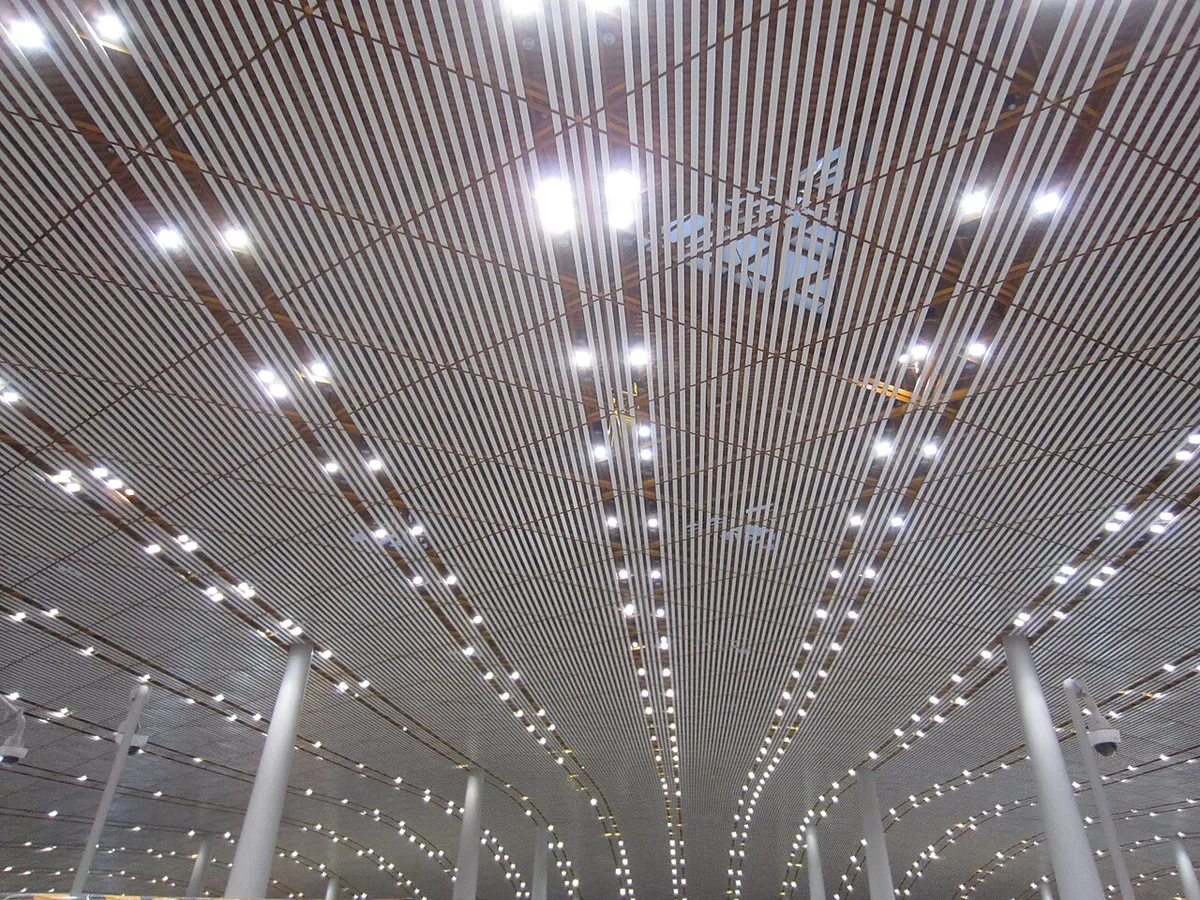
Arrivals, Departures and Transfers: What the Map Won't Show
A floor plan will not show queues at security or immigration. Add a generous buffer if you change terminals, and more if you change tickets. Whether you must collect bags and clear security again depends on your ticket. Ask your airline before you book a self-transfer. Our Beijing layover guide covers longer connections.
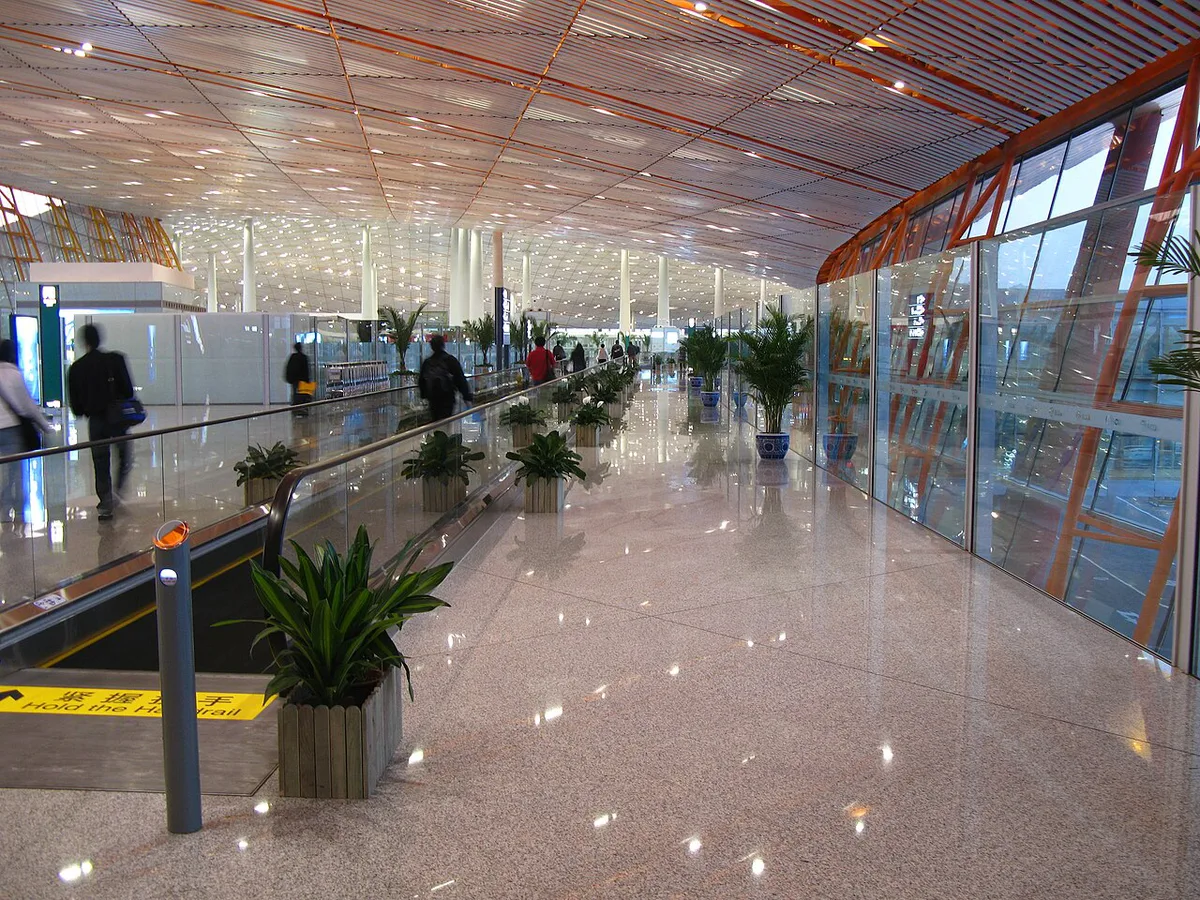
- Wrong airport: confirm PEK or PKX on your booking.
- Terminal from memory: read it from your boarding pass.
- Tight self-transfers: separate tickets mean separate check-ins.
- Offline maps: floor plans can lag behind terminal changes.
Leaving the Terminal: Ground Transport at a Glance
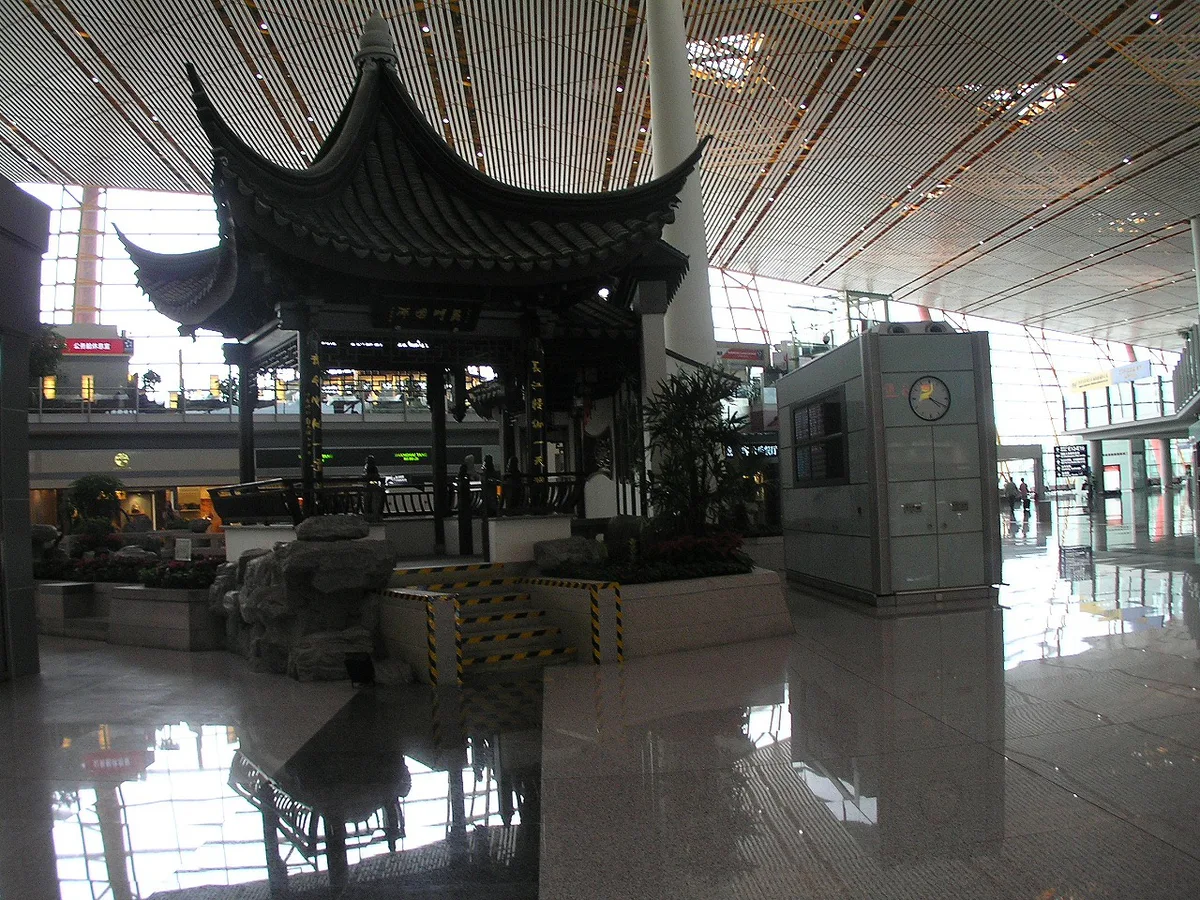
Most travelers leave by metro, bus or car. The Metro Airport Line runs from T3 and T2 toward Dongzhimen. Our airport to city center guide compares every option. Rail details are on the airport train page. The Beijing Subway site lists network updates. Drivers pay tolls on the airport expressways.
Drivers paying ¥10 into Beijing for vehicles under 7 seats face a road toll. Taking the Metro Airport Line costs ¥25 per person one way.
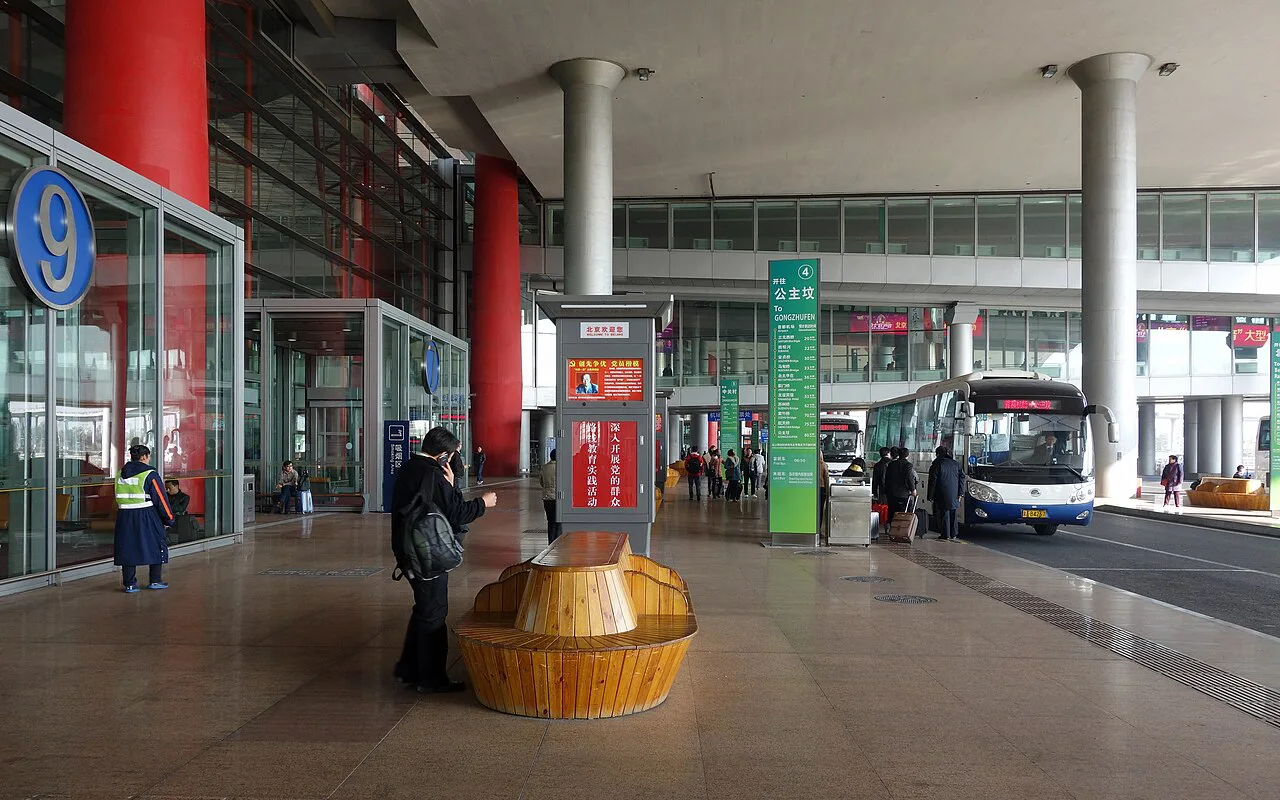
- T2 city buses: outside gate 11 on the first floor.
- T2 inter-provincial buses: gate 15.
- T3 city buses: outside gate 7 or gate 9.
- T3 inter-provincial buses: inside gate 1.
- T2 road toll via Tianzhu: ¥5 out of Beijing, ¥10 into Beijing for vehicles under 7 seats.
- T3 road toll at Gangshan: ¥10 for vehicles under 7 seats.
Facilities by Area: Lounges, Food, Duty-Free and Hotels
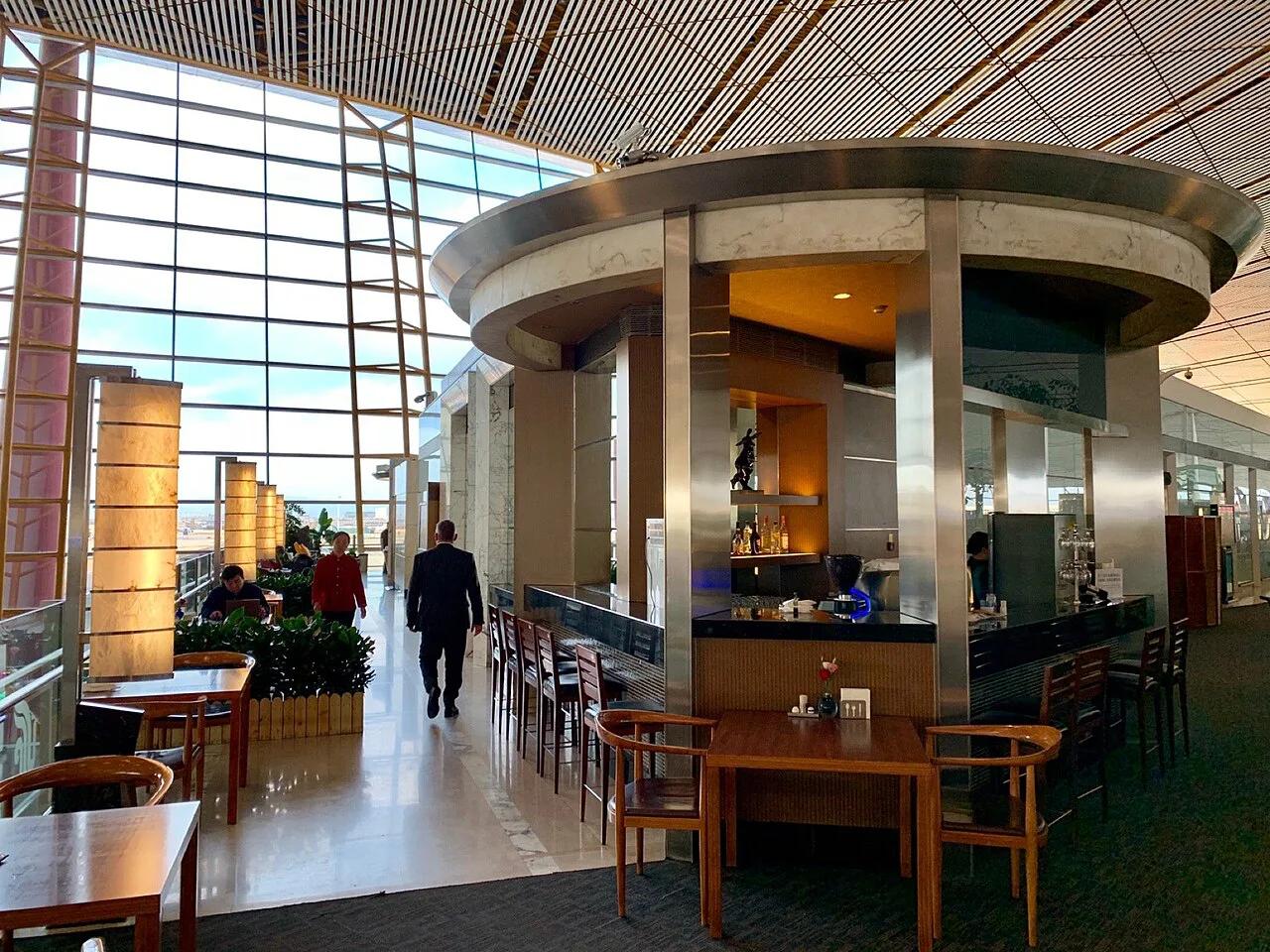
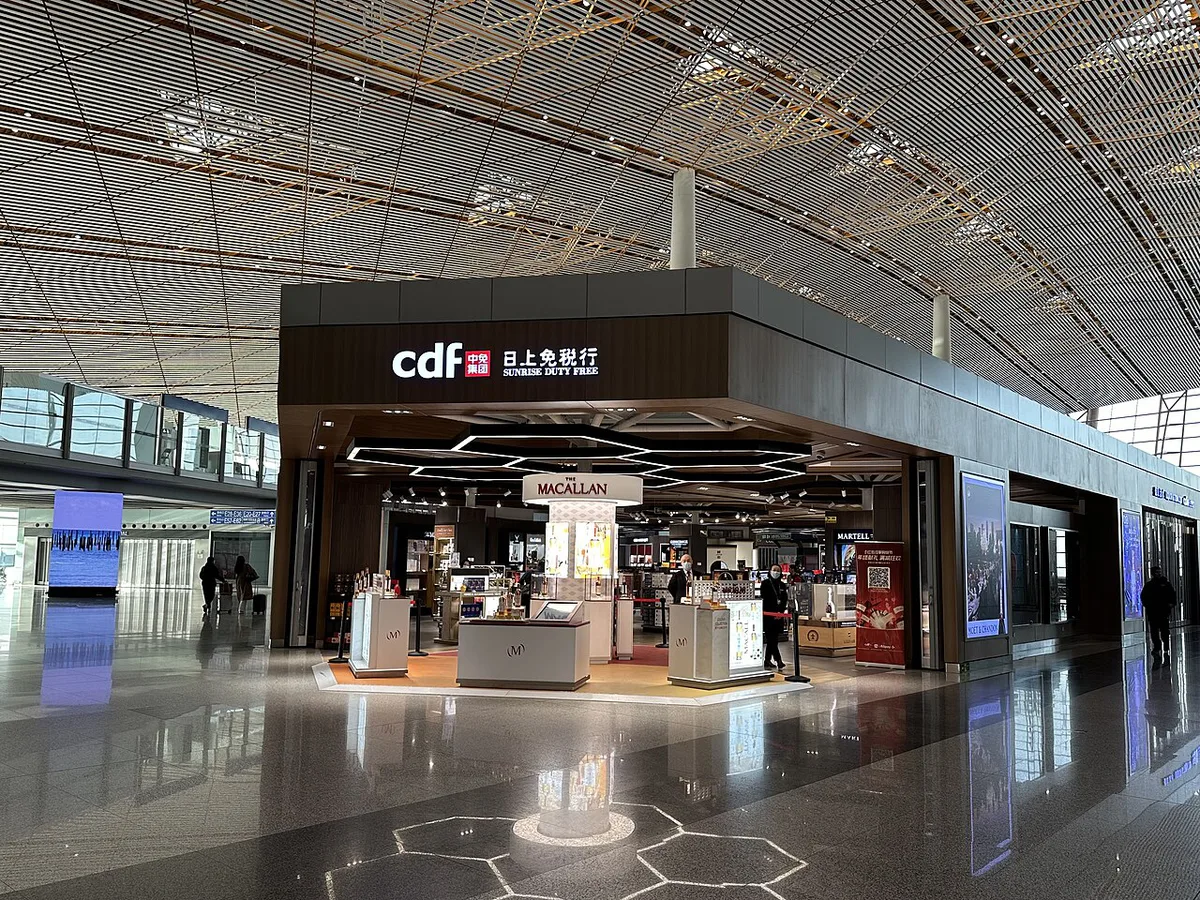
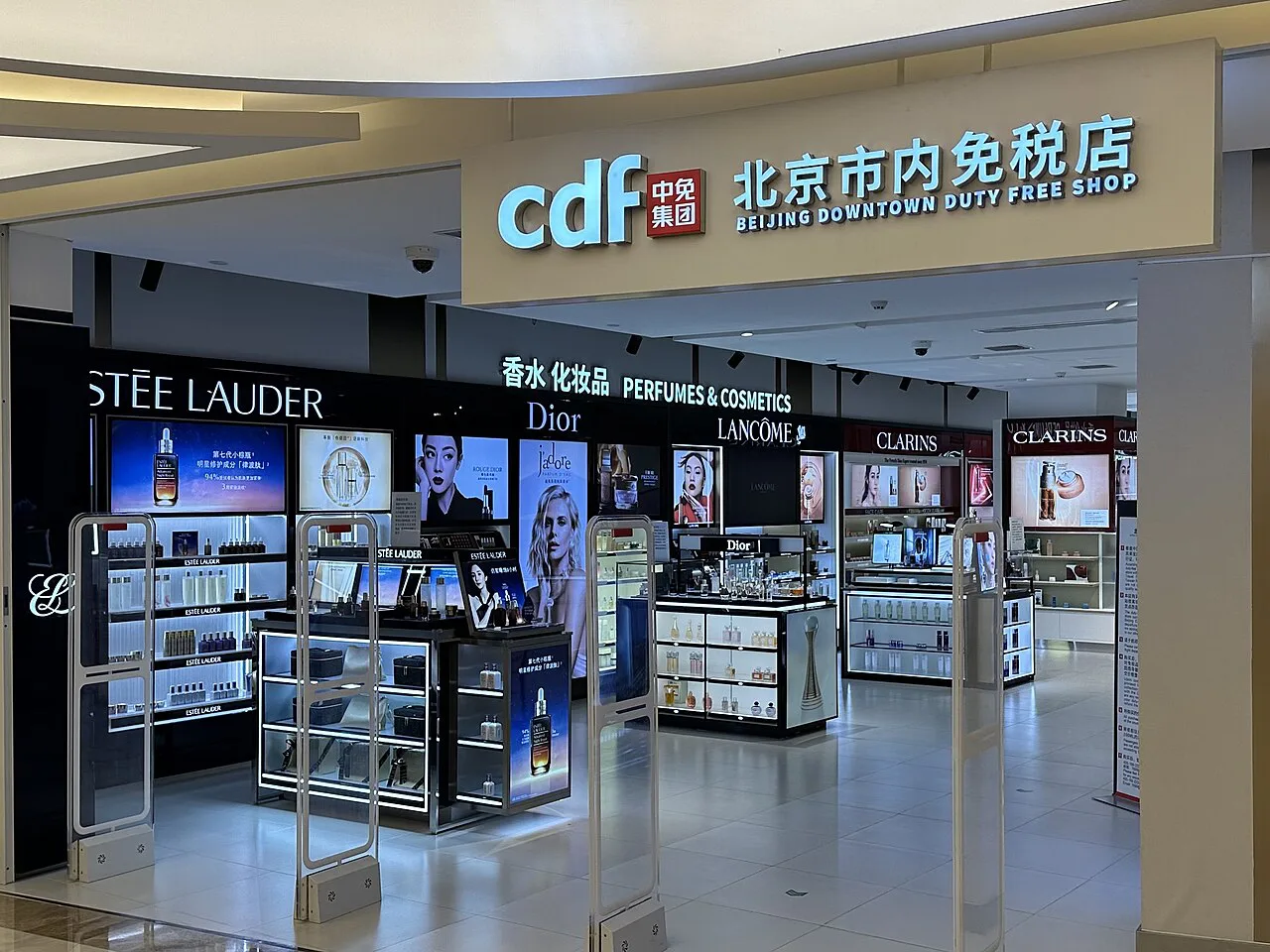
Plan your pre-flight stop after you know your terminal. Lounge options are in our Beijing airport lounges guide. Meal choices are on the airport food page. Shopping is covered in the duty-free guide. Overnight stays are listed in our airport hotels roundup.
Frequently Asked Questions
How many terminals are in Beijing airport?
Beijing Capital (PEK) has T1, T2 and T3, but T1 is not operational for most flights. T2 and T3 are the main terminals, and T3 splits into T3C, T3D and T3E. Daxing (PKX) has a single main terminal.
What's the difference between PKX and PEK?
PEK is Beijing Capital, with T2 and T3 as its main terminals. PKX is Beijing Daxing, with one main terminal in a five-pier star layout. Your booking shows which code applies.
Which airport is best to arrive in Beijing?
Your ticket usually decides, because each airline books you into one airport. If you have a choice, compare ground transport in our city center guide and the terminal layout above.
Notes for your next connection
Optional updates when our airport guides change.
You might also like
Continue reading
More guides you'll find useful